Can't sleep before a big day? What to do at 3 a.m. right now
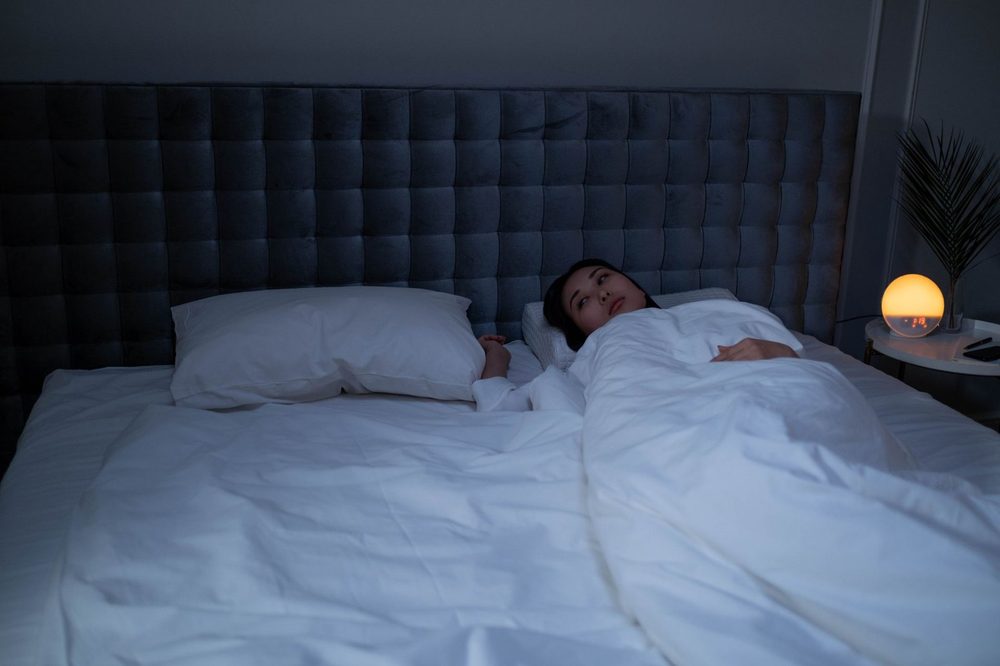
Can't sleep before a big day — almost everyone has lain awake at 3 a.m. with that thought. The good news: one sleepless night decides far less than it seems in the dark. Here's what to do in the first 20 minutes, what to do after that, and how to get through an important day when you've barely slept.
3:07 a.m. Tomorrow is the presentation, the exam, the job interview or the wedding. You're flipping your pillow for the third time and doing the math: "If I fall asleep right now, I'll get four hours and twenty minutes." Then "four hours." Then "three forty."
The uncomfortable truth: what's keeping you awake right now isn't worry about tomorrow — it's that arithmetic. Every glance at the clock is a small alarm signal. And the good news is that the stakes of this one night are much lower than they seem in the dark.
Is one sleepless night before a big day a disaster?
No. In a study reviewed by McGill University's Office for Science and Society, sleep on the single night before an exam had no link at all to the result — neither good nor bad.
The participants were 88 chemistry students wearing fitness trackers. Test results were better predicted by sleep quality and duration over the entire previous month: by the authors' estimate, sleep habits accounted for up to nearly 25% of the difference in grades. It's a small study, but the conclusion is clear: tomorrow rests on weeks, not on one night. You've already prepared — both awake and asleep.
Waking up at 3 a.m. and can't fall back asleep: what to do in the first 20 minutes?
Lie still, don't look at the clock and don't turn on the light. The first minutes aren't a fight for sleep — they're a way back to calm.
- Turn the clock to face the wall. According to the Sleep Foundation, clock-watching makes it harder for people with insomnia to fall asleep and adds frustration.
- No bright light: light stops the production of melatonin, the hormone that helps you sleep.
- Your phone stays on the nightstand. One "quick look at my email" and your brain gets light, news and a fresh reason to worry.
Then — breathing. The Sleep Foundation describes, for example, the 4-7-8 technique: breathe in for a count of 4, hold for 7, breathe out for 8, as well as "box" breathing with 4 seconds for each phase. More options in our article on breathing techniques for sleep.
We've put all of this into the PDF that comes with this article: a one-card night protocol you can print out and keep by your bed, so at 3 a.m. you don't have to remember anything — just follow the steps.