Copper peptides: why GHK-Cu became a skincare hit — and what’s actually true
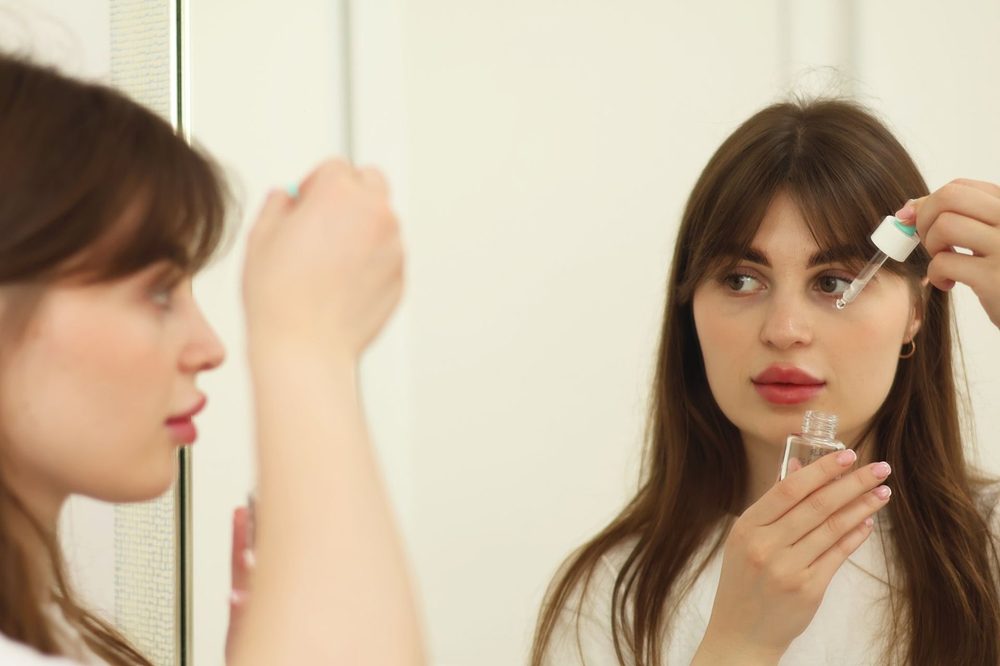
Copper peptides are being called “Botox in a bottle” and the biggest trend in skincare. We take an honest look, without the hype and without skepticism for its own sake: what GHK-Cu is, what’s really known about it, how to read the label and what not to expect from a serum.
Questions and answers
What are copper peptides?
They’re short chains of amino acids bound to a copper ion; the best known is GHK-Cu. This peptide also occurs naturally in the human body, and in cosmetics it’s added to serums and creams for skincare.
What are the benefits of copper peptides for skin?
In lab and small studies, GHK-Cu has been linked to supporting collagen and elastin, but there are few large independent trials. A realistic expectation is better-hydrated skin that feels smoother — not the effect of an in-office procedure.
How do you use GHK-Cu in a skincare routine?
Introduce one new product at a time: patch test first, then every other day, then daily. Don’t apply it at the same time as acids and other strong actives — it’s better to split them between morning and evening.
Can you use copper peptides around the eyes?
Only if the manufacturer explicitly allows it in the directions: the skin around the eyes is thinner and reacts more often. If you notice burning, redness or swelling, stop using it and have a dermatologist look at your skin.