Exercising in hot weather: how to train at 104 °F (40 °C) without overheating
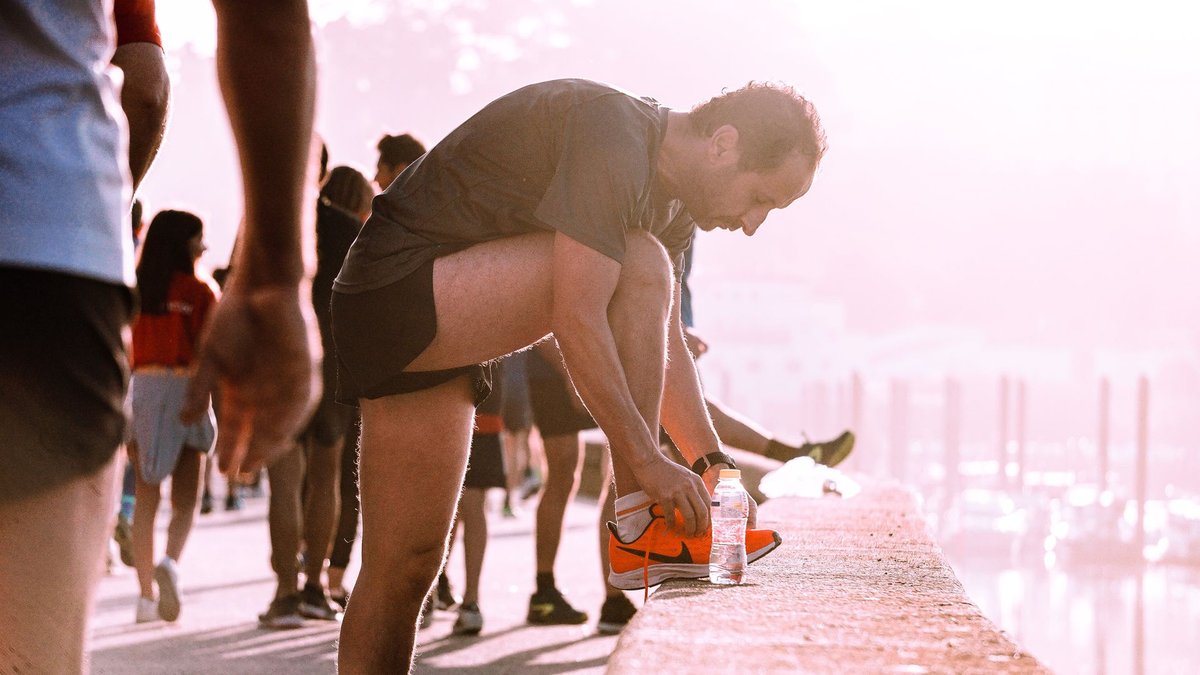
Exercising in hot weather is an everyday reality in the UAE, Central Asia and many southern cities in summer. Here is when to train, how much to drink, how to work out in the gym and which signs of overheating you must not ignore.
When it’s 104 °F (40 °C) outside, your usual lunchtime run turns into an ordeal. Exercising in hot weather is possible and beneficial, but it requires a different plan: timing, water, clothing and attention to your body’s signals. This is especially important in the first weeks of summer or after moving to a hot country.
How should you plan working out in hot weather outdoors?
The key is to give your body time to adapt and to choose the cooler hours. Mayo Clinic recommends allowing at least 1–2 weeks to adapt to heat, and the CDC notes that in the first week you should limit the intensity and duration of exercise.
- Train early in the morning or in the evening, and avoid the hottest hours of the day.
- Choose shade, parks, breezy waterfronts or a pool.
- Clothing: light, loose and light-colored; a cap or sun hat and sunscreen.
How much should you drink, and do you need electrolytes?
Drink before you feel thirsty and take water to every workout. For moderate exercise, plain water is enough, while for long, intense workouts drinks with sodium and potassium come in handy. Don’t force yourself to drink — too much water without thirst is risky too. More in our article How much water should you drink.
Exercising in hot weather benefits vs the gym: is indoors safer?
For many people in hot cities, an air-conditioned gym or an indoor pool is the most sensible option in the peak months. But even there it’s important to drink, not to push hard right after coming in from the outdoor heat, and not to forget a light snack, which we wrote about in our article What to eat before a workout.
Which signs of overheating must you not ignore?
Muscle cramps, nausea, dizziness, headache, severe weakness or darkening vision are reasons to stop immediately, get somewhere cool, cool down with a wet towel and drink.
For your first days in a hot country, read our article Adapting to a hot climate. For steady, caffeine-free energy on a hot day, there’s Energy Enhancer, and for those who keep training all summer, the X49 patch, which, according to the company, supports endurance in active people.