Healthy breakfast for energy: how to build a plate that will not make you sleepy
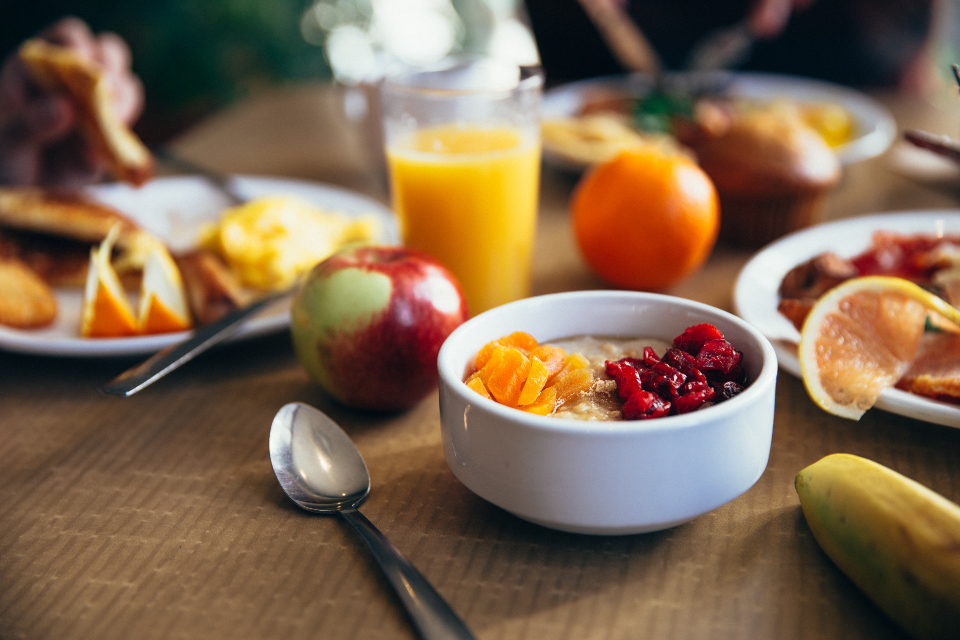
A sweet pastry with coffee gives you an hour of energy and then a crash. Here is a simple principle for putting together a filling breakfast in five minutes.
Your energy during the day depends largely on how stable your blood sugar is. Fast carbohydrates — pastries, sugary cereals, white bread with jam — raise it sharply and then drop it just as sharply. Hence the drowsiness and the urge to snack a couple of hours later.
How do you build a healthy breakfast using the plate principle?
The Harvard School of Public Health offers a simple "healthy eating plate" model: half vegetables and fruit, a quarter whole grains, a quarter protein, plus healthy fats and water. For breakfast the proportions can be adapted.
- Protein: eggs, cottage cheese, Greek yoghurt, cheese, fish.
- Slow carbohydrates: oatmeal, wholegrain bread, buckwheat.
- Fibre and vitamins: berries, fruit, vegetables, greens.
- Healthy fats: nuts, seeds, avocado, olive oil.
Which quick breakfasts give you energy?
- Porridge made with milk, with berries and a handful of nuts.
- A vegetable omelette and a slice of wholegrain bread.
- Greek yoghurt with fruit and chia seeds.
- Cottage cheese with apple and cinnamon.
- Wholegrain toast with avocado and egg.
What if you are not hungry in the morning?
Do not force yourself. Start with a small snack — yoghurt, a piece of fruit, a handful of nuts — and have a proper meal an hour or two later. Morning appetite often appears once your sleep and morning light routine is in place.
If you eat a good breakfast but still feel sluggish, read "Constant fatigue: what to check".
If you lack energy in the morning, you can add the Cellergize Morning drink with vitamins, minerals and amino acids (lemon-ginger flavour) or caffeine-free Energy Enhancer patches to your breakfast. And for those changing their eating habits there is the SP6 Complete patch — for a mindful approach to appetite.