Matcha benefits, caffeine and honest limits: why people drink it instead of coffee
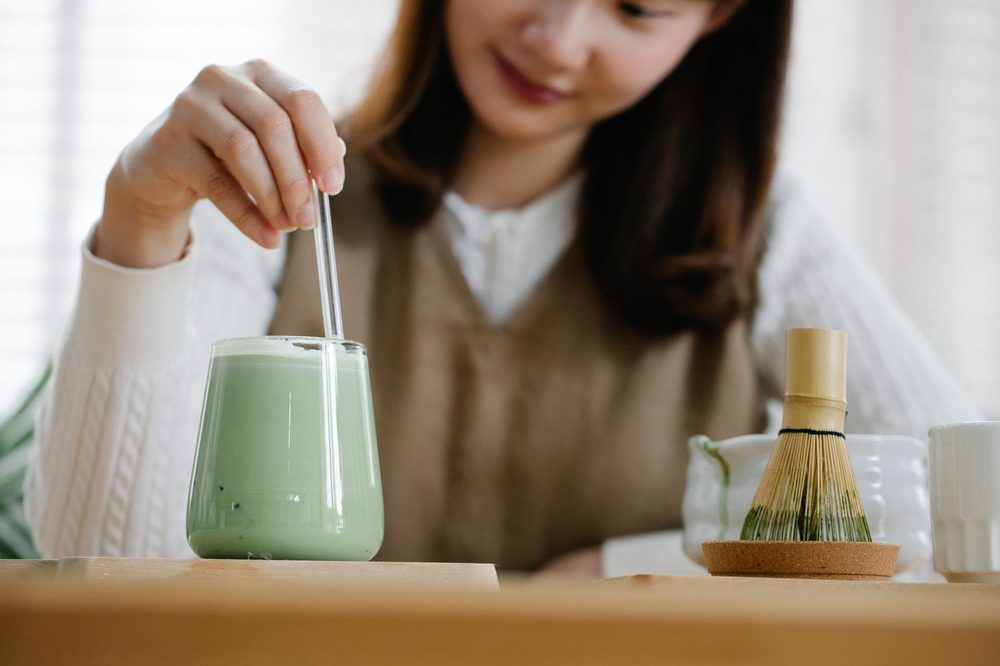
Matcha is green tea made from the whole ground leaf, so matcha benefits and caffeine are more concentrated in the cup than in regular tea. People drink it instead of coffee for a “gentler” lift, but a trendy latte can easily wipe out all the upsides. We look at the real matcha benefits, how much caffeine it has and who should be more careful.
Questions and answers
What is matcha?
It’s a Japanese green tea made from specially grown leaves ground into a fine powder. Unlike regular tea, you consume the whole leaf, so there are more beneficial compounds and more caffeine in the cup.
Matcha vs coffee: which has more caffeine?
According to Cleveland Clinic, a serving of matcha has about as much caffeine as a shot of espresso, but a lot depends on how it’s prepared. Harvard experts clarify: matcha has more caffeine than other teas but less than a cup of coffee.
Matcha benefits and risks: what should you know?
The benefits are linked to polyphenol antioxidants and a gentle lift, but some of the data come from animal studies. The main downsides are sugar in ready-made drinks and caffeine, which can disrupt sleep and increase anxiety in sensitive people.
Can you drink matcha every day?
For healthy adults — usually yes, if you count your total caffeine for the day: the FDA considers up to 400 mg a day from all sources safe for most people. It’s better to drink matcha in the first half of the day and without sweet syrups, and to check with your doctor first if you’re pregnant.