Perimenopause symptoms: why your sleep and energy suddenly “broke” at 40 — and what to do about it
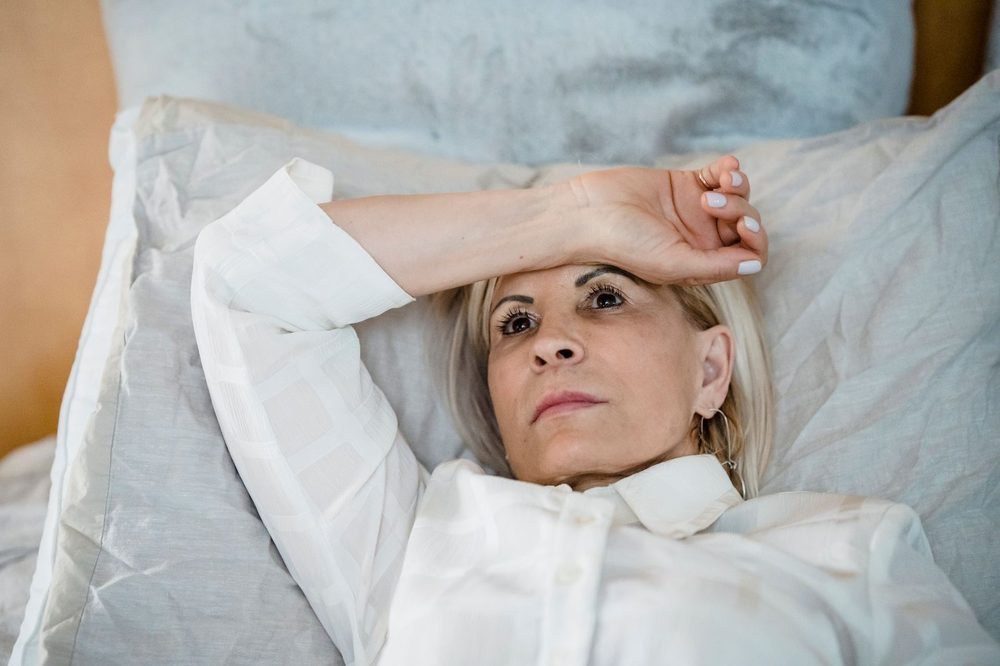
Perimenopause isn’t “early menopause,” and it isn’t “just stress.” It’s a transition that can begin as early as 35–40 and last for years. We look at the most common perimenopause symptoms, why sleep is often the first to suffer, and what to write down so your conversation with your doctor is focused and specific.
You’re 41. You used to fall asleep in five minutes, and now you wake up at 3 a.m. — hot, heart pounding, thoughts running in circles. During the day everything irritates you, and your energy lasts until lunch. You tell yourself: “Stress. Work. Age.” Over the past year or two, perimenopause has finally started being discussed openly — on social media, in podcasts, in interviews with well-known women — and searches for perimenopause symptoms in the US have risen noticeably. The uncomfortable truth is that many women spend years blaming these changes on fatigue and have never even heard the word.
What is perimenopause, in simple terms?
It’s the transition before menopause: estrogen levels start to fall, the balance between estrogen and progesterone shifts, and your cycle becomes less predictable (Cleveland Clinic).
Perimenopause ends with menopause — the point when you haven’t had a period for 12 months in a row. Important: this is a natural stage of life, not a disease. But natural doesn’t mean you have to put up with it in silence.
Perimenopause age: when does it start?
Most often in your mid-40s, but it can come earlier: according to Cleveland Clinic, anywhere from your mid-30s to your mid-50s. On average it lasts about four years, but it can stretch to eight.
Mayo Clinic describes one early signal that’s easy to miss: if the length of your cycle consistently changes by seven days or more, it may be early perimenopause. That’s exactly why tracking matters so much — shifts like these are almost impossible to notice from memory.
To see the whole picture rather than a few bad nights, we’ve put a 30-day well-being journal — sleep, cycle, energy, mood — in the PDF for this article, along with a list of questions to bring to your doctor.