Sitting is the new smoking? An honest look at the numbers and the myths
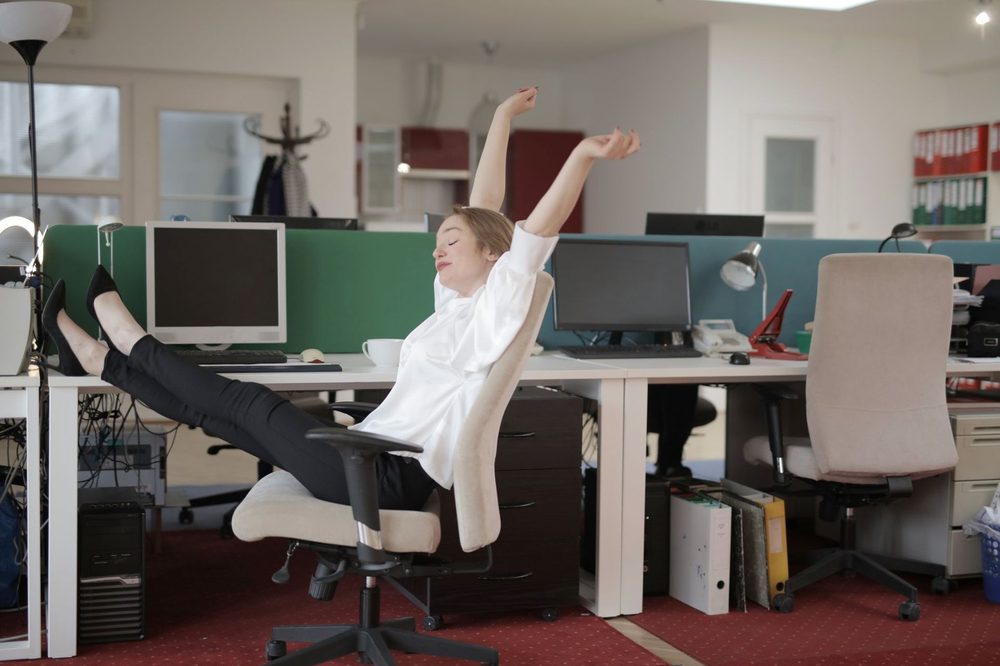
Sitting is the new smoking — or so the saying goes. It's an exaggeration, but with an unpleasant grain of truth. Here's how a sedentary lifestyle really harms you, how many hours a day you can sit without harm, and how much movement it takes to offset a day at the office.
The phrase "sitting is the new smoking" has made the rounds of offices, conferences and headlines. It sounds scary: you don't smoke, you eat reasonably well, and it turns out your enemy is your own office chair. Let's be honest: a sedentary lifestyle isn't smoking. But it isn't a harmless habit either. The truth is somewhere in the middle — and it's more convenient than it seems, because unlike a cigarette, a chair is something you can negotiate with.
Why is a sedentary lifestyle bad for you?
Prolonged sitting is linked to several risks at once. Mayo Clinic experts list:
- excess weight;
- higher blood pressure, high blood sugar, excess belly fat and unfavorable cholesterol levels — a cluster known together as metabolic syndrome;
- a higher risk of dying from heart disease and cancer.
The WHO adds the scale: 31% of adults worldwide — about 1.8 billion people — move less than recommended, and people who aren't active enough have a 20–30% higher risk of death than those who are sufficiently active.
Is a desk job the new smoking, or is that an exaggeration?
More of an exaggeration with a grain of truth. So where does the comparison come from? In an analysis of 13 studies with more than a million participants, people who sat more than eight hours a day with no physical activity at all had a risk of death comparable to that of obesity and smoking.
The key words here are "no physical activity at all." The same analysis found that for the most active people, sitting time had almost no effect on the risk of death. That trick doesn't work with smoking: there's no safe dose, and a run doesn't cancel it out.
The good news: you can rebuild that day without changing careers. That's exactly the plan we've put into the PDF that comes with this article — 2–5-minute micro-workouts that fit into your work schedule, plus a four-week tracker.