Standing vs. sitting at work: what research actually shows
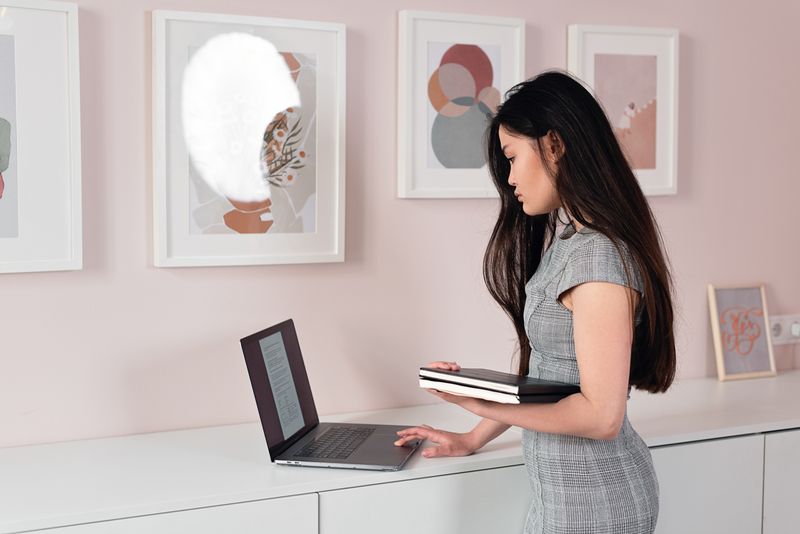
Standing vs. sitting at work — which is better for your health? Standing desks promised to solve the problem of sedentary jobs, but the research turned out to be less clear-cut. Here is what we know today.
Standing vs. sitting at work — research answers this question like this: the problem isn't the position itself but hours of staying still in either one. The best option is to alternate sitting and standing every 30–60 minutes and add short walks throughout the day.
The standing desk trend promised to solve the problems of a sedentary lifestyle, but later research showed that it's more complicated than "standing equals healthy."
Standing vs. sitting at work: what does the research show?
Evidence for the benefits of standing desks is still limited. A Cochrane review notes that the health effects of these desks and other ways to reduce sitting have not yet been reliably proven.
Some studies note that prolonged standing also carries certain risks — for example, for the veins in the legs. So regularly changing your body position matters more than which position you choose.
Put simply, your body doesn't handle any static posture well. Sitting for eight hours straight is bad, but standing for eight hours straight isn't the answer either. The winner is whoever changes position often and moves.
Standing vs. sitting at work benefits: pros and cons
The standing format has advantages, but it isn't one-size-fits-all. An honest balance looks like this.
**Pros:**
- fewer hours of continuous sitting;
- easier to change position and walk around;
- many people find it easier to stay alert in the afternoon;
- easier to get up and move when the desk is already raised.
**Cons:**
- long periods of standing tire your legs and back;
- strain on the veins from standing for hours;
- standing doesn't replace physical activity, notes Harvard Health.
How to set up a standing workstation at the computer?
The main rule is that your workstation should fit you: screen at eye level, elbows bent at roughly a right angle, shoulders relaxed.
When standing, the desk height should let you keep your shoulders down and your wrists straight. If your desk doesn't adjust, you can start with a laptop stand and a separate keyboard.
- Alternate sitting and standing every 30–60 minutes.
- Use a cushioned mat under your feet when standing for a long time.
- Don't lock your knees, and shift your weight from one foot to the other.
- Keep your wrists straight and the keyboard at elbow height.
For good posture during your sitting hours, see "Posture at the computer".
How to make standing at work easier if your legs hurt?
If your legs ache by evening, cutting down on continuous standing and adding movement usually helps most.
Tired legs often have less to do with standing itself than with uncomfortable shoes or a hard floor. Try changing one thing at a time and see how you feel over a few days.
- Sit down before you get tired.
- Choose comfortable, supportive shoes.
- Use a footrest to prop one foot on from time to time.
- Do simple exercises: calf raises, rolling from heel to toe.
If you spend a lot of time on your feet and your joints bother you, the gentle exercises in "Joint mobility exercises" can help.
Standing vs. sitting all day at work: what really matters for your health?
The key factor is regular movement throughout the day, not the choice between standing and sitting.
- Short walks after every hour of work.
- Phone calls on the move.
- Stairs instead of the elevator when you can.
- Standing meetings or walks instead of short calls.
- A glass of water placed out of reach — so you get up for it more often.
For how to fit a few minutes of activity into your work schedule, see "Micro-workouts during the day". And for supporting your back during desk work, "Preventing back pain".
The bottom line is simple: the best desk is one where you don't freeze in any position for long.
If you're choosing between a standing desk and extra walks, start with the walks: they cost nothing and give your body more movement than just changing position.