Standing vs. sitting at work: what research actually shows
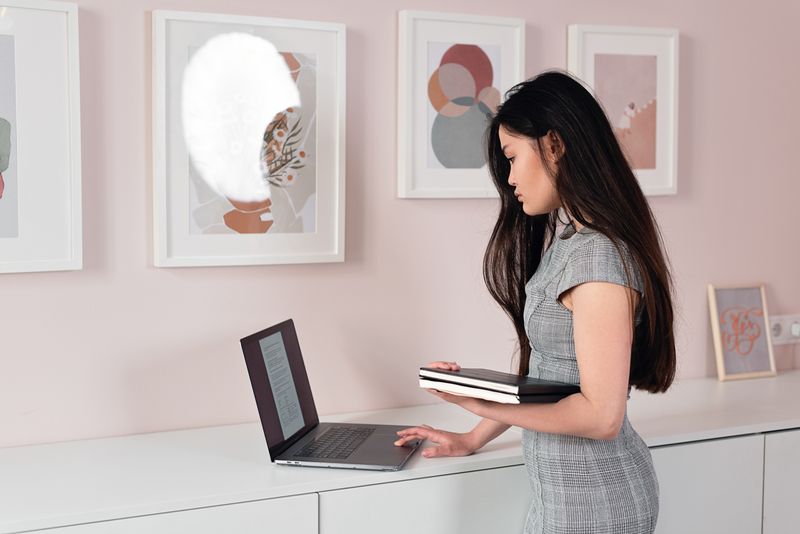
Standing desks promised to fix the problem of sedentary work, but the research turned out less clear-cut. Here's what's known today.
The standing desk trend promised to fix issues linked to a sedentary lifestyle, but later research showed things are more complicated than 'standing equals healthy'.
What the latest data shows
Some large studies note that prolonged standing carries its own risks too — for example for leg veins. What matters more is not the posture itself but regularly changing position.
How to use a standing desk sensibly
- Alternate sitting and standing every 30-60 minutes.
- Use a comfortable floor mat for long periods of standing.
- Don't rely on the desk alone — add short walks during the day.
What actually matters
The key factor is regular movement throughout the day, not the choice between standing and sitting. More on short workouts during the day in "Micro-workouts during the day".
For posture during desk work, see "Posture and sitting at work".
Questions and answers
Is a standing desk healthier than sitting?
Not clearly — some studies note risks from prolonged standing too, so it's better to alternate positions rather than pick one for the whole day.
How long can you stand at a desk without a break?
Specialists suggest changing position every 30-60 minutes, whether you're standing or sitting.
Does a standing desk replace physical activity?
No, standing isn't the same as exercise. It reduces time spent motionless while sitting but doesn't replace workouts.