Vitamin C and Immunity: How Much You Need and Where to Get It
Vitamin C and immunity are connected, but there are plenty of myths around this vitamin. Here is how vitamin C affects immune function, how much you need a day, which foods to get it from and whether megadoses work for a cold.
Vitamin C and immunity really are connected: the vitamin is involved in the work of immune cells, helps synthesize collagen and acts as an antioxidant, protecting cells from damage. But a lot of inflated expectations have built up around it — especially in cold season, when many people rush to take high doses at the first sign of feeling unwell.
How does vitamin C help the immune system?
Vitamin C supports normal immune cell function and protects immune cells from oxidative stress. But it's “working material,” not an accelerator: if you get enough from your diet, extra doses don't strengthen your defenses.
More on the vitamin's role in the body in the NIH Office of Dietary Supplements fact sheet and the Harvard T.H. Chan School of Public Health overview.
Vitamin C and immune function: other benefits for the body
The benefits of vitamin C go beyond immunity. It is needed for several important processes:
- it's involved in synthesizing collagen — the protein of skin, blood vessels, cartilage and ligaments;
- it works as an antioxidant and protects cells from damage;
- it helps absorb iron from plant foods;
- it supports the normal work of immune cells.
How much vitamin C do you really need?
Official recommendations are more modest than people think: about 75–90 mg a day for adults and slightly more for smokers. That amount is easy to get from a normal diet.
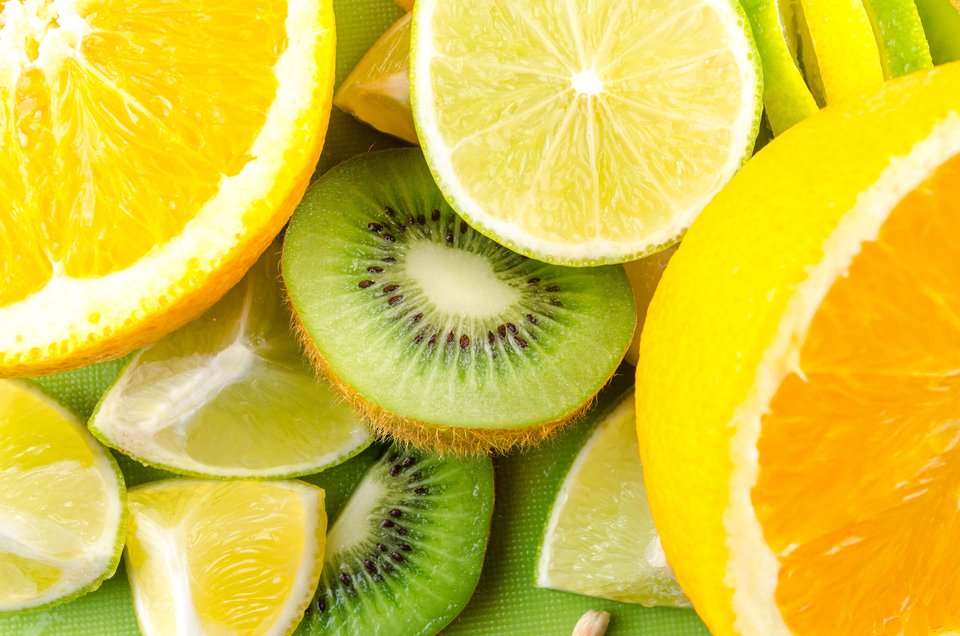
One medium orange, a kiwi or half a bell pepper already covers the daily requirement. Deficiency is rare with a varied diet.
Which foods are the best sources of vitamin C?
Fresh vegetables, berries and fruit contain the most vitamin C. Here are the foods to rely on:
- Bell peppers (especially red) — one of the richest sources.
- Citrus fruit: oranges, grapefruit, lemons.
- Kiwi, black currants, strawberries.
- Broccoli, Brussels sprouts, sauerkraut.
Vitamin C is sensitive to heat and long storage, so it's better to eat some vegetables and fruit fresh or lightly cooked. A good guide is a colorful plate of vegetables and fruit every day, as described in “Immunity in autumn”. Sauerkraut is also a fermented food — more on those in “Fermented foods and the microbiome”.
Do vitamin C megadoses work for a cold?
Vitamin C megadoses don't protect most people from colds. According to a Cochrane review, regular intake may slightly shorten a cold in some people, but it doesn't lower the chance of getting sick.
One-off high doses “once you're already sick” have no convincing evidence behind them. Rest, fluids and proper meals still matter more — more in “Recovering after a cold”.
Who should pay closer attention to vitamin C and immune cells?
Most people get enough vitamin C from food, but some should pay more attention to it. This mainly applies to people whose diet is low in fresh vegetables and fruit.
- Smokers — according to official recommendations, they need slightly more of the vitamin.
- People with a very monotonous diet without fresh vegetables and fruit.
- Those who follow strict dietary restrictions for a long time.
If you suspect you're not getting enough of the vitamin, it's better to start by rethinking your plate and discussing it with a doctor rather than immediately reaching for high-dose supplements.
How else can you support your body besides vitamin C?
Vitamin C works as part of a team: sleep, movement and a varied diet matter more than any single supplement. For a daily ritual, some people choose LifeWave's Cellular Performance System — the X39 patch and the Cellergize Morning drink with vitamins, minerals and amino acids, which the company positions as support for cellular activity. Cellergize is a dietary supplement: if you are pregnant, breastfeeding, taking medication or have a medical condition, talk to your doctor. More in “Cellular Performance System”.