Weighted blanket: does it help you sleep more deeply — and who shouldn’t use one?
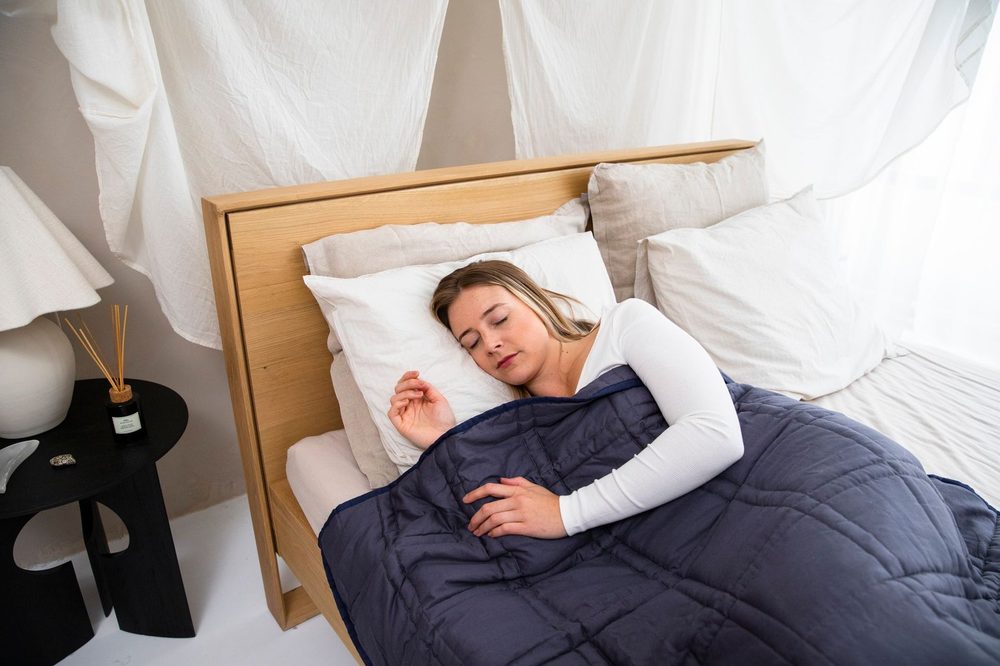
A weighted blanket is called “an all-night hug” and promises deep sleep without effort. We look at what it’s really for, what research shows, how to choose the weight and fabric — and why weighted blankets aren’t suitable for children under 3 and for people with certain breathing issues.
Questions and answers
What is a weighted blanket for?
It creates even, gentle pressure on the body that many people find calming — like a firm hug. It’s used as part of an evening ritual to make it easier to relax before sleep; scientific data on its benefits is still limited and being studied.
How heavy should a weighted blanket be?
The Sleep Foundation’s guideline is about 10% of your body weight, with an acceptable range of 5 to 12%. If you’re torn between two options, it’s better to choose the lighter one the first time.
What are the benefits and risks of a weighted blanket?
Many people feel calmer and cozier with one, and in a Swedish study a heavy blanket noticeably reduced insomnia severity in adults with insomnia. But it can interfere with breathing if it’s too heavy, and it’s not suitable for young children and for people with certain health conditions.
Can children sleep under a weighted blanket?
Not children under 3. For older children, the Sleep Foundation considers it generally safe if the child is over 3 and weighs at least about 23 kg (50 lb), and advises talking to a pediatrician before buying one.