Adjusting to a new country: climate, time zone and a new rhythm of life
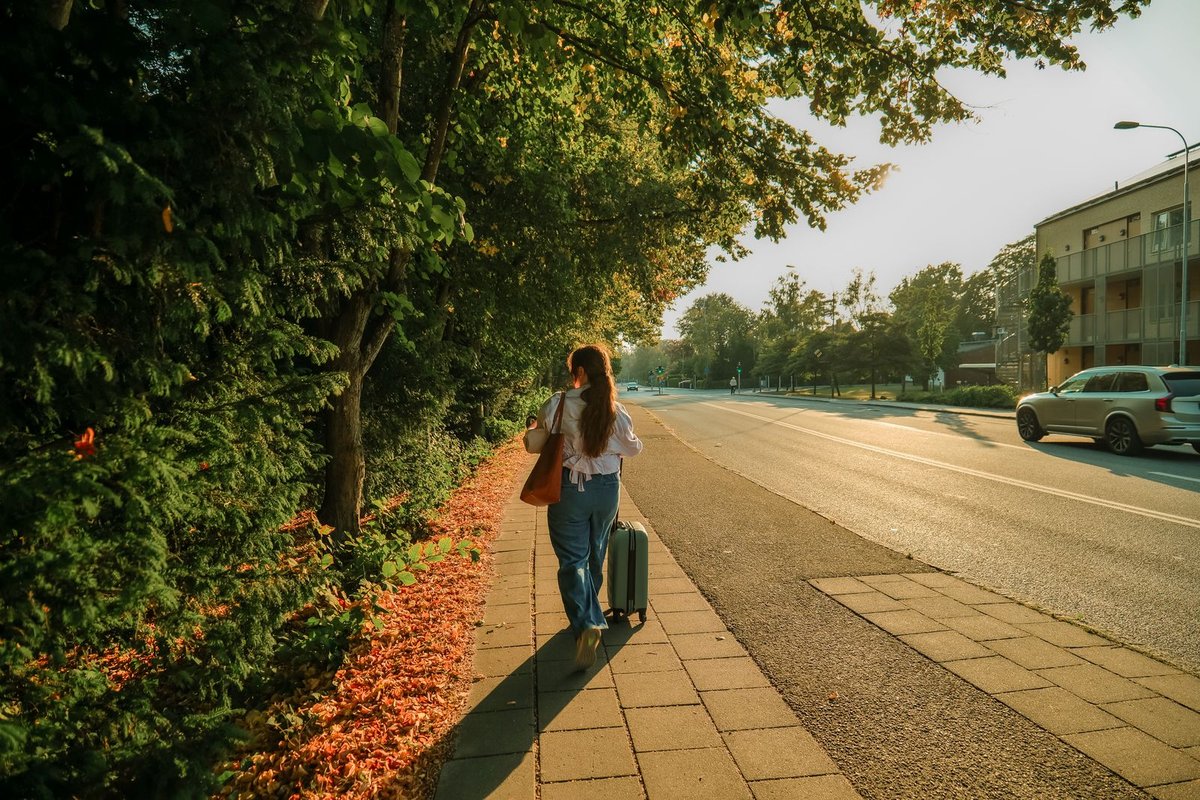
Adjusting to a new country isn't just about paperwork and finding a place to live: your body has to get used to a new climate and time zone, and your mind to a different pace of life. Here is a calm plan for the first few months.
Adjusting to a new country — whether it's Germany, Israel or anywhere else — happens on several levels at once. First your body gets used to the time zone and climate, then comes fatigue from new everyday logic and a new language. Psychologists at Indiana University describe this as stages of cultural adjustment: a high, a dip and gradual adaptation (Indiana University).
Knowing about these stages helps: it's easier not to panic when the dip comes and not to take it as a mistake.
Below is what happens at each stage, where the stress comes from and which simple habits help you get through the first year more calmly.
What are the stages of adjustment to a new country?
It usually comes in waves: the first weeks are exciting, then fatigue builds up, and after that life settles into a groove. That's normal, and a dip doesn't mean the move was a mistake.
- Give yourself time: don't expect to have everything figured out in the first month.
- Keep a couple of familiar rituals — your morning tea, a walk, your favorite music.
- Celebrate small wins: your first conversation in the local language, your go-to store, your own route.
Why is moving to a new country so stressful?
Because almost everything changes at once: language, rules, people around you, climate and daily routine. Your brain constantly has to make new decisions, and that's tiring even when you're in a good mood.
- Unfamiliar everyday tasks — from transit to paperwork — take more energy than they did at home.
- You're missing your usual circle of friends and support.
- The time zone and a different climate throw off your sleep and appetite.
The more predictable anchors you have in your life, the easier this period goes.
Adjusting to life in a new country: what psychology says
Psychologists describe adjustment as a process with ups and downs rather than a straight line. A dip in mood a few weeks or months after the move is a typical part of the journey (Indiana University).
- Notice your feelings and name them: "I'm tired," "I'm lonely" — that alone eases the tension.
- Compare yourself not with the locals, but with yourself a month ago.
- Leave room for home: calls with loved ones, familiar food, books in your native language.
How to adjust to a new time zone?
Switch to local time from day one. Light is the main signal for your body clock, so get outside in the morning and dim the lights in the evening.
CDC clinicians advise relying on light and routine in the first days after a flight and avoiding long daytime naps (CDC Yellow Book). More in "Jet lag: how to adjust faster after a flight". If your new country is noticeably hotter, the tips in "Adapting to a hot climate" will help.
How to adapt to a new country in your first year
Lean on routine and people. Regular sleep and social contact are the two most reliable "anchors" in a new place.
The first year is when a lot happens for the first time: your first winter or summer in a new climate, your first holidays away from loved ones. Plan ahead how you'll spend those days — it eases the loneliness.
- Get enough sleep: in a study of immigrant high schoolers, longer sleep was linked to lower acculturative stress (PubMed); ideas for a calm evening are in "Evening rituals for solid sleep".
- Find a community: language classes, sports, volunteering — why it matters is explained in "Social connections and health".
- Move every day: walks help you explore the neighborhood and release tension.
What helps in your evening and morning routine?
To make it easier to fall asleep on the new schedule, many people add Silent Nights to their evening routine — according to the company, it's a patch for relaxation and sleep without melatonin. In the morning, for energy and recovery, there's X39; according to the company, it supports the natural production of the GHK-Cu peptide. According to the company, the patches don't penetrate the skin.