Adjusting to a new country: climate, time zone and a new rhythm of life
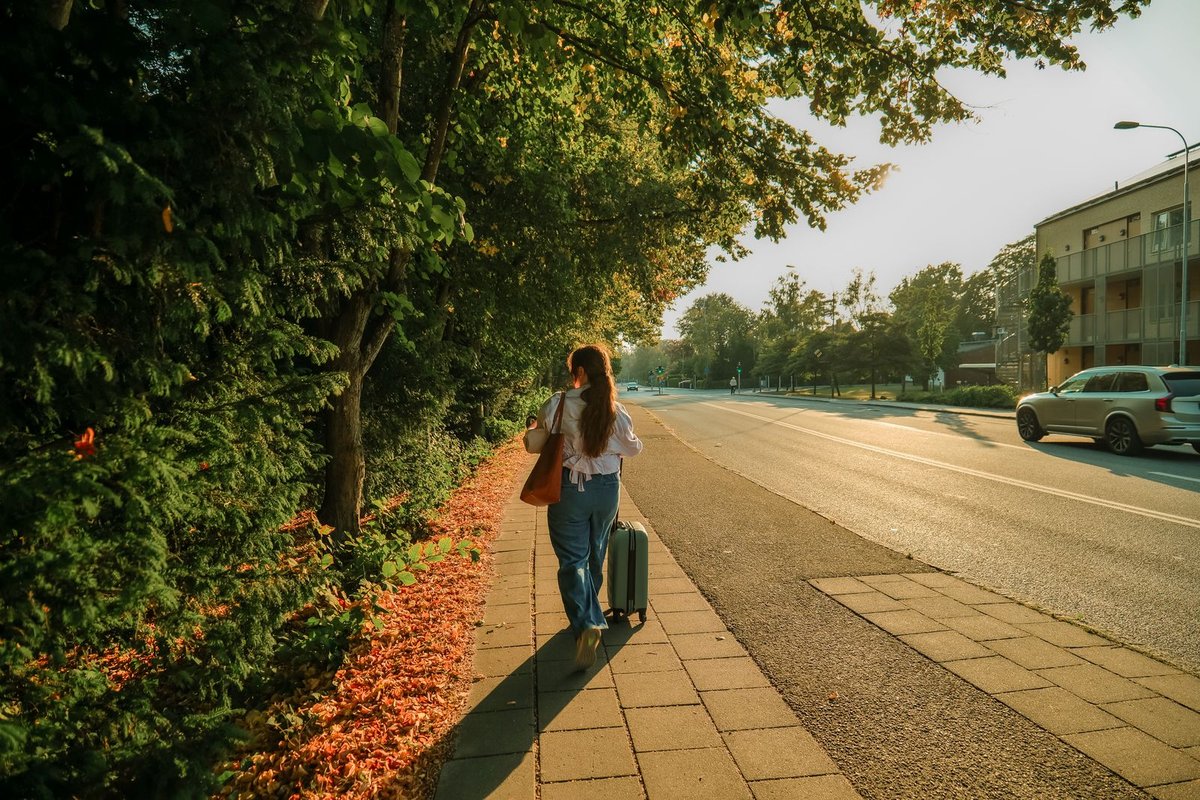
Adjusting to a new country isn’t just about paperwork and finding a place to live. Your body needs to get used to a new climate and time zone, and your mind to a different pace of life. We’ve put together a calm plan for the first months.
Adjusting to a new country — whether it’s Germany, Israel or anywhere else — happens on several levels at once. First the body gets used to the time zone and climate, then comes fatigue from the new logic of everyday life and a new language. Psychologists at Indiana University describe these as stages of cultural adjustment: a high, a dip and gradual adaptation (Indiana University).
What are the stages of adjustment to a new country?
It usually comes in waves: the first weeks are exciting, then fatigue builds up, and then life settles into a routine. This is normal, and the dip doesn’t mean the move was a mistake.
- Give yourself time: don’t expect “everything at once” in the first month.
- Keep a couple of familiar rituals — morning tea, a walk, your favorite music.
- Celebrate small wins: your first conversation in the local language, your own go-to shop, your own route.
How do you get used to a new time zone?
Switch to local time from day one. Light is the main signal for your internal clock, so go outside in the morning and dim the lights in the evening.
CDC clinicians advise relying on light and routine in the first days after a flight and avoiding long daytime naps (CDC Yellow Book). More in our article Jet lag: how to adjust faster. If your new country is noticeably hotter, the tips in Adapting to a hot climate will come in handy.
Adjusting to life in a new country: how to get through the first year?
Lean on routine and people. Regular sleep and social contact are the two most reliable “anchors” in a new place.
- Get enough sleep: in a study of immigrant teenagers, longer sleep was linked to less adjustment stress (PubMed).
- Find a community: language classes, sports, volunteering — read why it matters in our article Social connections and health.
- Move every day: walks help you both explore your neighborhood and release tension.
To fall asleep more easily on the new schedule, many people include Silent Nights in their evening ritual — according to the company, it’s a patch for relaxation and sleep without melatonin. And in the morning, for energy and recovery, there’s X39; according to the company, it supports the natural production of the GHK-Cu peptide.