Anti-inflammatory diet without the extremes: what to eat to feel less tired
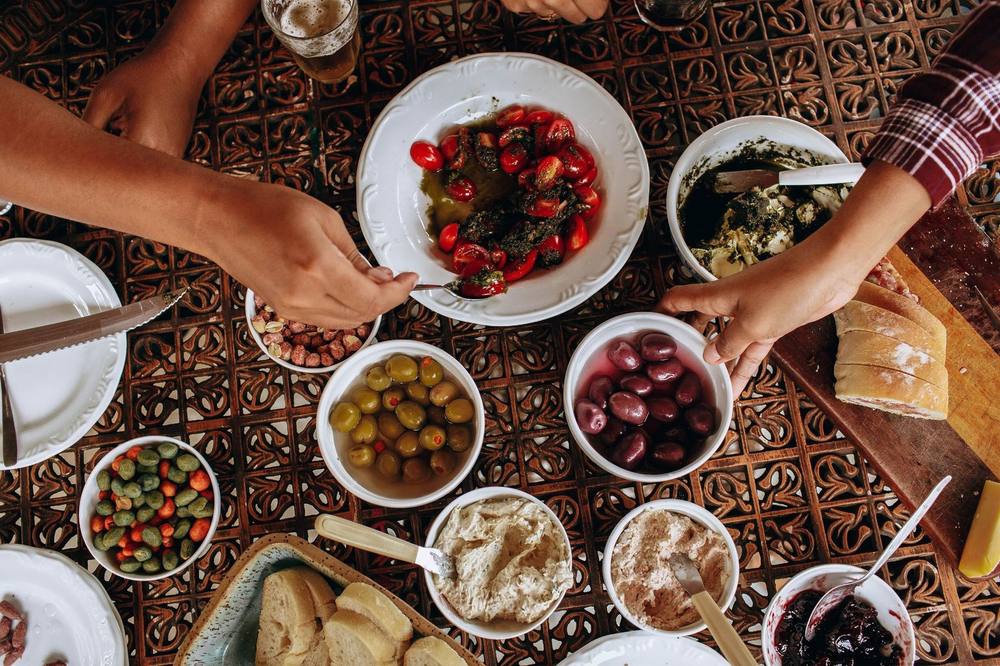
The anti-inflammatory diet is a buzzword that stands for a fairly modest, well-studied way of eating. We look at which foods make the list, what to cut first, why turmeric won’t save you, and how to put together a week’s menu without exotic ingredients or strict bans.
Questions and answers
What is anti-inflammatory eating?
It’s a way of eating that emphasizes vegetables, fruit, whole grains, legumes, fish, nuts and olive oil, and limits sweets, processed meat and convenience foods. There’s no single strict plan — variety and consistency matter more.
Which foods are on the anti-inflammatory foods list?
Most often: colorful vegetables and berries, oatmeal and other whole grains, beans and lentils, oily fish, nuts, seeds, olive oil, tea, coffee, dark chocolate and spices such as ginger and turmeric.
What foods should you avoid on an anti-inflammatory diet?
There are no strict bans, but the first things to cut back on are sugary drinks and sweets, white bread and store-bought pastries, sausages and hot dogs, deep-fried foods and ready-made convenience meals.
How do you put together an anti-inflammatory meal plan for the week?
The easiest way is to build your plate by one rule: half vegetables, a quarter whole grains or legumes, a quarter protein, plus a little good oil or nuts. A ready-made 7-day menu and shopping list are in the PDF for this article.