Blue Zones longevity habits: what long-lived people have in common
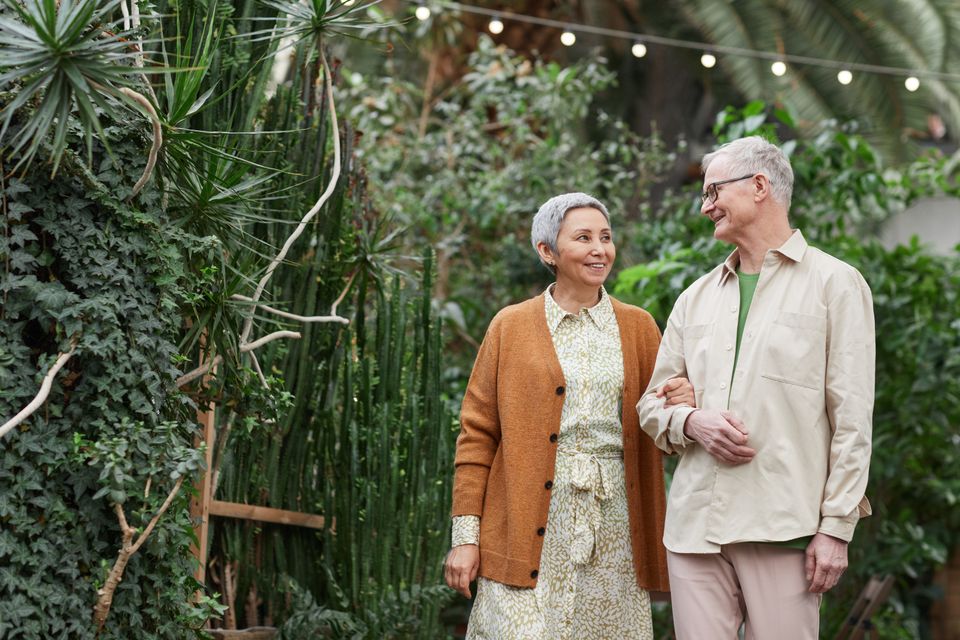
Blue Zones longevity habits — from regions with an unusually high share of people who reach old age in good shape — are surprisingly simple. Here is what repeats most often and what you can realistically adopt yourself.
Blue Zones longevity habits are not one "secret" food but a set of simple everyday factors that repeat from region to region. "Blue Zones" is the name for places with an unusually high share of people who stay active well into old age. Most of their habits can be adopted anywhere.
Blue Zones: where do the longest-lived people live?
Five regions are usually named: Okinawa in Japan, Sardinia in Italy, the island of Ikaria in Greece, the Nicoya Peninsula in Costa Rica and the Loma Linda community in California. They are far apart, with different cuisines and cultures — and yet the way of life there is similar in many ways.
What these places share is not climate or genetics but the everyday environment: lots of movement, simple food, strong bonds between people. The National Institute on Aging explains what is known about healthy aging in general.
Blue Zones longevity factors: the 9 shared principles
Popularizers of the Blue Zones idea boiled the shared habits down to nine principles. They work best as a lifestyle checklist rather than strict rules.
- Move naturally — walk, garden, not just work out.
- Have a purpose — things that make you want to get up in the morning.
- Reduce stress — make time for rest, company, quiet.
- Do not overeat — leave the table slightly hungry.
- Make plant foods the base of your diet: vegetables, legumes, whole grains.
- Be moderate in everything, alcohol included.
- Feel that you belong to a community.
- Put family and loved ones first.
- Surround yourself with people who have healthy habits.
Blue Zones: the secrets of longevity in food
The main "secret" is simple plant-based food and moderate portions, not strict diets. Long-lived people eat plenty of vegetables and legumes and rarely overeat.
- Legumes, vegetables, greens and whole grains — every day.
- Meat — more for special occasions than daily.
- Moderate portions — Okinawa even has a rule, hara hachi bu: stop eating when you are about 80% full.
Similar principles underlie the Mediterranean diet, and for protein from plant and other sources, read “Protein in your diet”.
Common Blue Zone behaviors that increase longevity in daily life
They move a lot without a gym, stay needed by those around them and are almost never alone. Movement and socializing are built into their day naturally.
- Walking as the main way to get around.
- Working with their hands — garden, vegetable plot, housework.
- Regular get-togethers with family, neighbors and friends.
- A calm pace and time for rest.
Why social connection matters for health as much as sleep and food is covered in detail in “Social connections and health”.
What gets in the way of adopting longevity habits?
Most often, the urge to do everything perfectly and all at once. The second obstacle is searching for one "superfood" instead of changing your lifestyle.
- No need to switch to someone else's cuisine — look for similar simple dishes in your own.
- No need to move to a village — just walk more where you live.
- Do not expect fast results: longevity habits work over years.
Where do you start with Blue Zones habits?
With one simple step — for example, a daily walk. You do not need to change everything at once: it is easier to add one habit at a time and let it stick.
- Start with movement — read “Benefits of walking: the most underrated exercise”.
- Add one plant-based dish a day without abruptly giving up your usual foods.
- Once a week, get together with loved ones with no phones on the table.
The basic principles of a healthy lifestyle — food, movement, moderation — also echo the advice of the NHS. If you want to build a routine systematically, see “How to start a healthy lifestyle: a one-month plan”. And for extra energy along the way, some people choose X39 or Y-Age Aeon, which according to the company helps you relax and take stress more calmly.