Protein in your diet: how much you need and where to get it
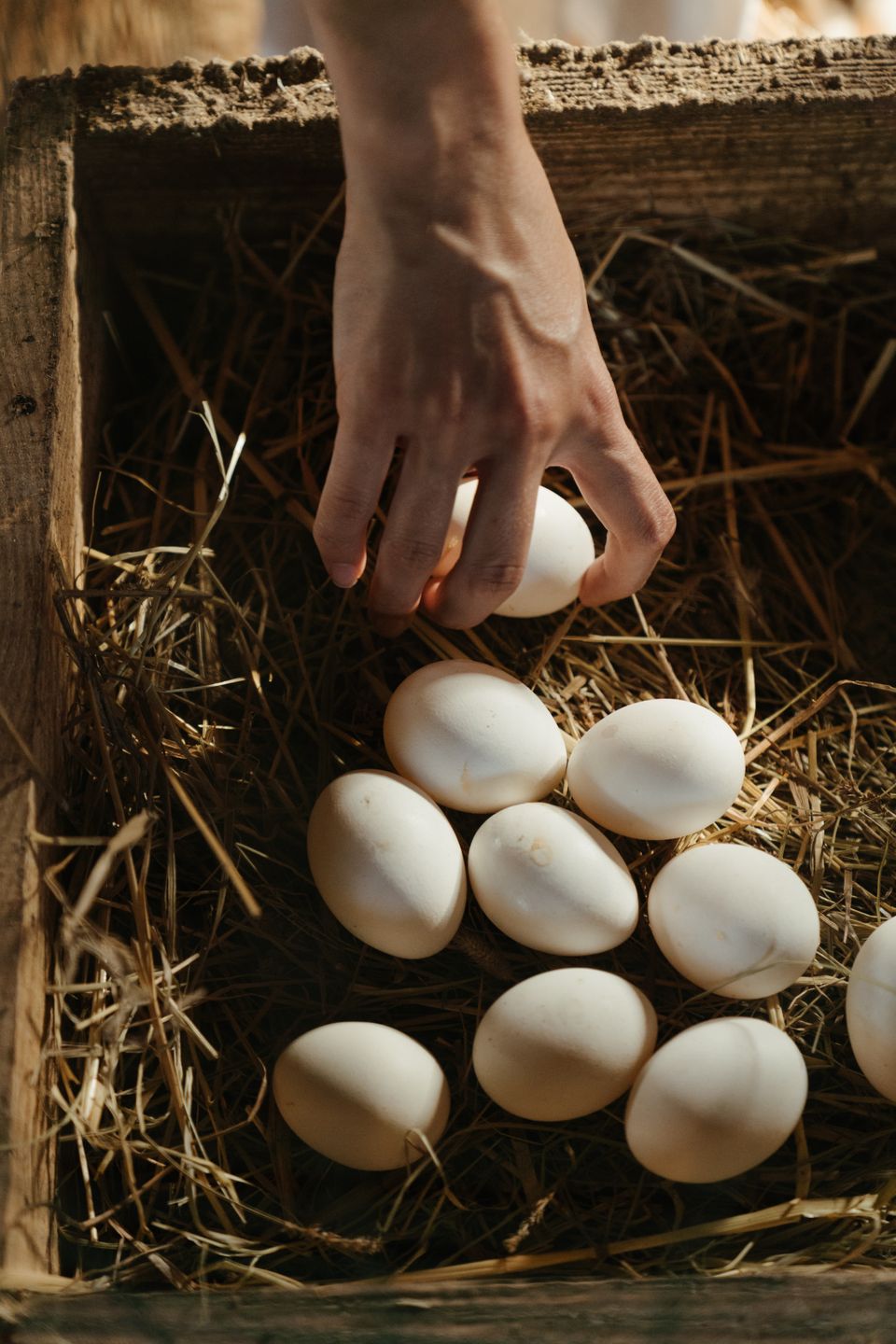
Protein is not just for athletes — it matters for muscles, immunity and steady energy at any age. We look at how much you need and where to get it.
Protein is the building material for muscles, skin, immune cells and many hormones. Not getting enough shows up not only as weaker muscles but also as tiring more quickly and feeling hungry again soon after eating.
How much protein do you need a day?
A general guideline for an adult who does not train intensively is about 0.8 g of protein per kilogram of body weight a day. With regular strength training, or in later life when muscle mass is lost more quickly, needs are usually higher — this is worth discussing individually with a nutritionist or doctor.
Which foods give you protein?
- Animal sources — meat, fish, eggs, cottage cheese and other dairy products.
- Plant sources — pulses (lentils, chickpeas, beans), tofu, nuts and seeds.
- Aim to spread your protein across all your meals rather than eating the whole day's amount at dinner.
How is protein linked to energy during the day?
Protein at breakfast and lunch helps you avoid sharp spikes and dips in blood sugar, which feel like sudden drowsiness. Read more about how this works in "Sugar and energy: how to avoid energy crashes" and "Healthy breakfast for energy".
To support their muscles, many people also use Y-Age Carnosine from LifeWave, and X39 for energy during the day.