Plant-Based Protein: How Much You Need and Where to Get It
Getting enough protein without meat is entirely possible — you just need to know which foods to use and how to combine them. We break down the requirements, sources, and common mistakes of a plant-based diet.
The myth that you can't get enough protein without meat is surprisingly persistent, even though millions of people around the world eat perfectly well on a plant-based or mostly plant-based diet. The point isn't finding a "meat substitute," but understanding where to get protein and how to combine foods.
How Much Protein You Need Per Day
A general guideline for an adult is about 0.8–1.2 g of protein per kilogram of body weight per day, and with regular strength training the need is higher, up to 1.6–2 g per kilogram. That doesn't mean counting grams at every meal — it's enough to include a protein food in each main meal.
The Best Plant-Based Protein Sources
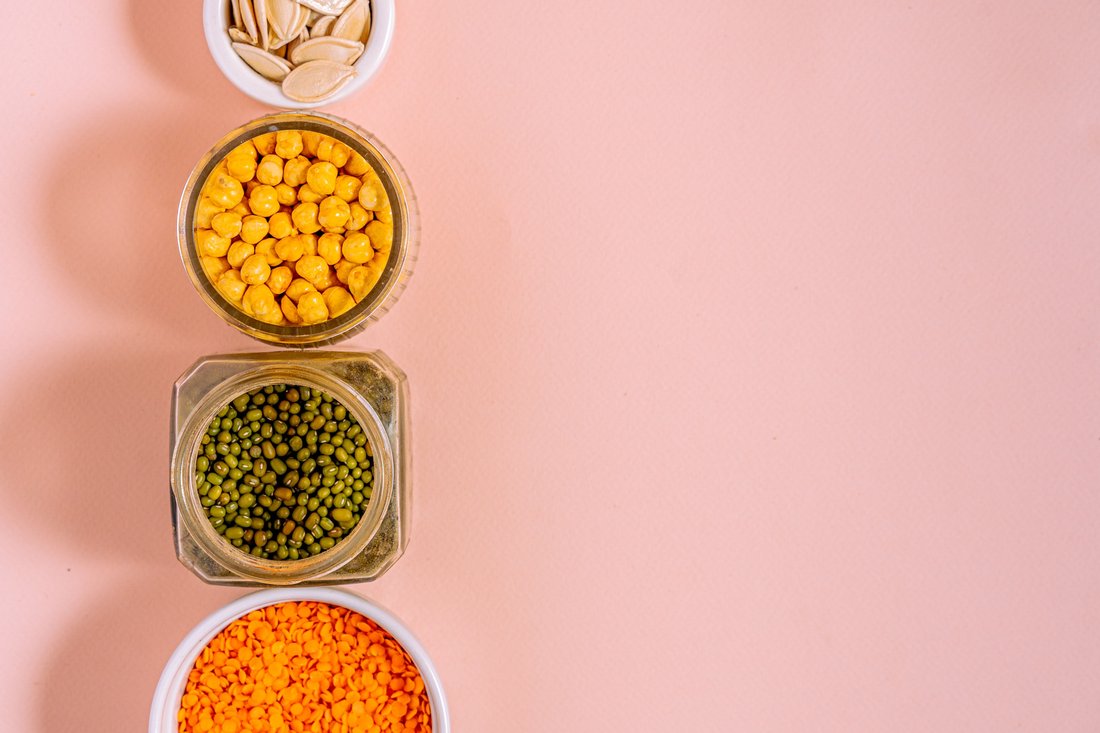
- legumes — lentils, chickpeas, beans, peas;
- soy products — tofu, tempeh, edamame;
- grains and pseudo-grains — buckwheat, quinoa, oats;
- nuts and seeds — almonds, peanuts, pumpkin and sunflower seeds;
- some vegetables — broccoli, spinach — contain less protein but still contribute to the overall diet.
How to Combine Protein Sources
The idea that plant protein is "incomplete" comes from the fact that individual foods may be short on one or two essential amino acids. The solution is simple — combine different food groups over the day: grains with legumes (rice with lentils, buckwheat with beans), bread with nut butter. The body doesn't need to get all the amino acids in one meal — what matters is the balance across the day.
Common Mistakes When Switching to Plant Protein
The most common one is replacing meat with just vegetables, without legumes, soy, or high-protein grains. As a result, the diet ends up short not only on protein but also on iron, vitamin B12, and zinc, which also need to be consciously tracked on a mostly plant-based diet.
A varied plant-based diet with legumes, grains, and nuts can fully cover most people's protein needs. An active lifestyle can be maintained without meat, too — for example, many people who train on a plant-based diet also use the X39 patch as part of general energy and recovery support, regardless of what makes up their diet.