Fiber and Digestion: How Much You Need and Where to Get It
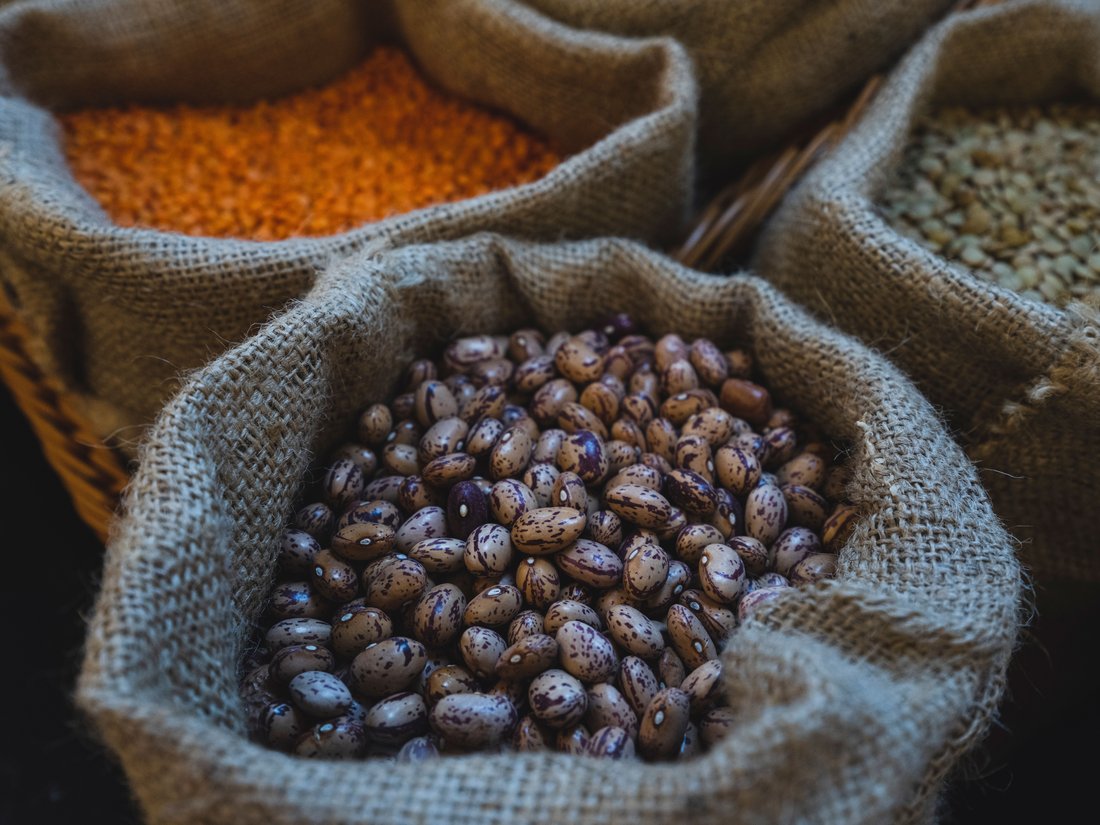
Heaviness after eating, irregular bowel movements, and constant hunger are often linked to a lack of fiber in the diet. We break down how much you need and how to add it without sudden discomfort.
Fiber is the part of plant food that the body doesn't digest, but it's critically important for gut function, feeling full, and blood sugar levels. A fiber deficiency is one of the most common and, at the same time, easily fixable problems in a modern diet.
How Much Fiber You Need Per Day
The standard guideline is about 25–30 g of fiber a day for an adult. According to experts' estimates, most people get noticeably less than that, relying mainly on processed foods with minimal plant fiber.
Soluble and Insoluble Fiber
Soluble fiber (oatmeal, apples, legumes) slows sugar absorption and helps control cholesterol levels. Insoluble fiber (whole grains, vegetables, bran) adds bulk to stool and speeds up the movement of food through the gut. Both types are useful in the diet.
The Best Sources of Fiber
- legumes — lentils, beans, chickpeas;
- whole grains and bread;
- vegetables, especially with the skin and stems;
- fruit — pears, apples, berries;
- chia and flax seeds.
How to Increase Fiber Without Bloating
A sharp jump in fiber intake is a common cause of stomach discomfort. Add it gradually over 2–3 weeks, and be sure to increase your water intake: without enough fluid, fiber can actually slow down gut function instead of helping it. It's easy to keep up the habit of drinking water throughout the day with an X2O bottle — it reminds you to drink regularly, which matters especially when switching to a higher-fiber diet.
Fiber is one of the most underrated elements of the diet: it directly affects digestion, feeling full, and overall wellbeing. Start by gradually adding legumes, whole grains, and vegetables — and don't forget about water. Read more about gut function overall in "Gut Health and Wellbeing".