Probiotics and the Gut Microbiome: What They Are and Why They Matter
These days people talk about the gut microbiome almost like it's a separate organ. We explain in simple terms what it is, how probiotics relate to how you feel, and how to support a healthy balance without miracle pills.
Trillions of bacteria, fungi, and other microorganisms live in the human gut — together they're called the microbiome. It's involved not just in digestion but also in immune function, the synthesis of certain vitamins, and, as recent research shows, even mood, through what's known as the "gut-brain axis."
What Probiotics Are
Probiotics are live microorganisms that, in sufficient amounts, benefit gut health. They occur naturally in fermented foods:
- yogurt and kefir with live cultures;
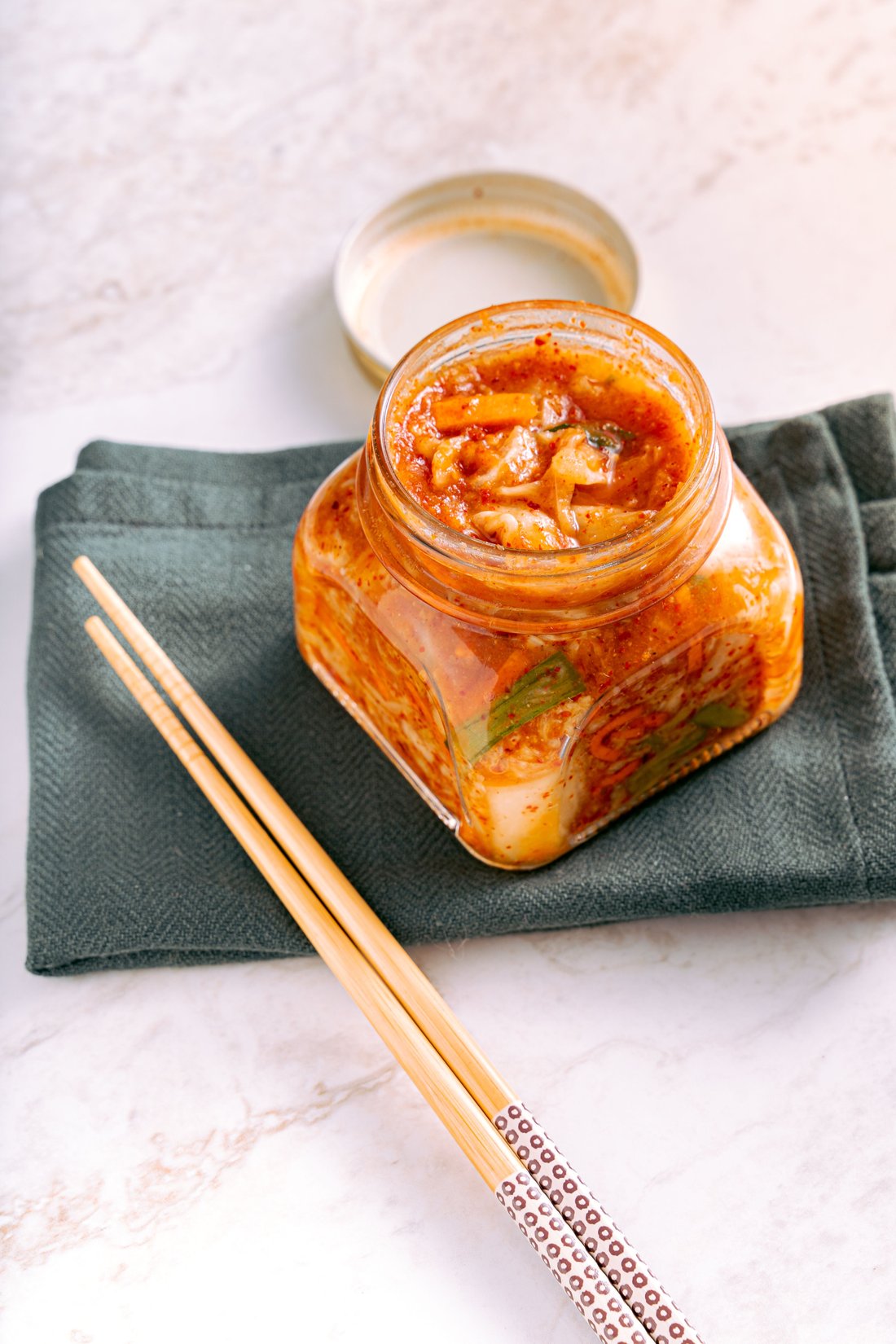
- sauerkraut and kimchi;
- miso and tempeh;
- kombucha.
And What Prebiotics Are
Prebiotics are, essentially, "food" for the beneficial bacteria: a type of fiber that the body itself can't digest but gut bacteria can process. Good sources include onions, garlic, leeks, bananas, oats, and whole grains. Without enough prebiotics, even the beneficial bacteria from probiotics won't thrive.
How to Support Microbiome Balance Through Diet
Dietary diversity is one of the best predictors of a healthy microbiome. The more different types of plant foods you eat in a week, the more diverse the bacterial makeup in your gut. Regularly eating fermented foods and fiber works better than a one-off course of supplements.
What Damages the Microbiome
Excess heavily processed food, frequent unnecessary courses of antibiotics, chronic stress, and lack of sleep can all disrupt microflora balance. Drinking enough water also plays a role in normal gut function — it's easy to track your intake throughout the day with an X2O bottle.
The microbiome is a living ecosystem that responds to dietary diversity, stress, and lifestyle overall, not to a single "miracle food." The best strategy is combining fermented foods with enough fiber; read more about fiber in "Fiber and Digestion".