Cost of fatigue in the workplace: what tiredness costs you in money, decisions and relationships
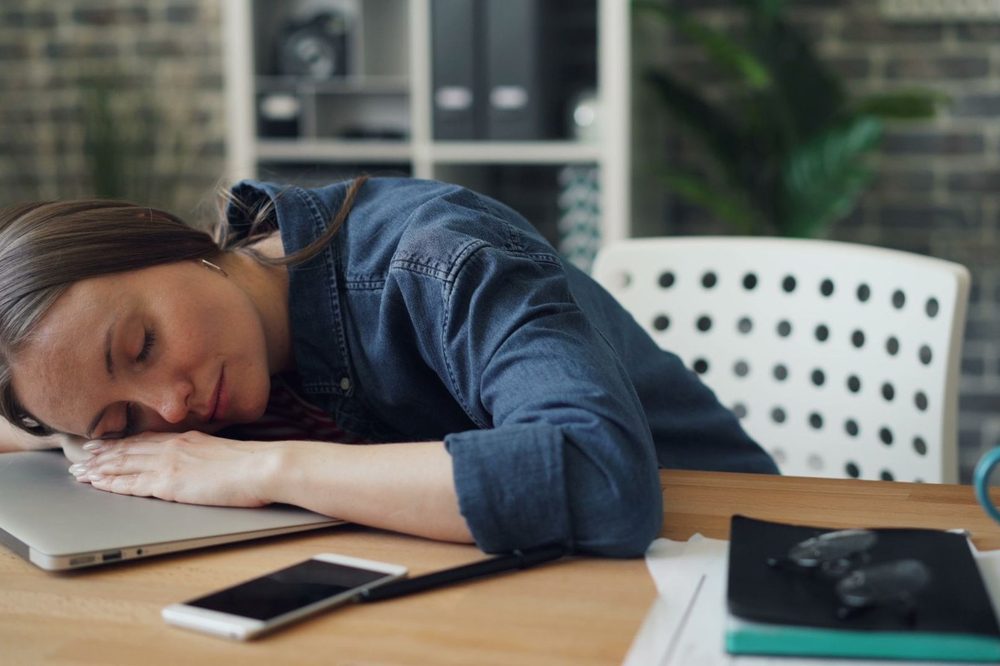
We see tiredness at work as a minor thing: grab a coffee and keep going. But the cost of fatigue in the workplace is real, and it's paid not only by us but by our coworkers, our loved ones and our wallets. Let's look at where your energy leaks away, why after a sleepless night we work almost as if we'd had a drink, and where to start so you stop overpaying.
Questions and answers
How does fatigue affect the body?
Short sleep and constant tiredness reduce attention, reaction speed and the ability to make decisions. According to the US National Safety Council, going more than 20 hours without sleep affects driving about as much as a blood alcohol concentration of 0.08%.
What should I do about severe fatigue at work?
Start with a short break with movement and daylight, and water rather than a third cup of coffee. If the tiredness lasts for weeks, it's worth rethinking your sleep and workload and talking to a doctor about how you feel.
How does fatigue affect your mood and mind?
A tired person reads other people's emotions less accurately and gets irritated faster. Researchers at the University of California, Berkeley, found that after nights of poor sleep, couples argued more often and understood each other's feelings less well.
How can I beat tiredness at work?
A mix of simple things helps: breaks every hour to hour and a half, a short walk, daylight, water and a lunch that isn't heavy. But the main cause usually lies outside the office — in your sleep and evening recovery.