How much sleep do you need? Sleep is your most powerful recovery tool
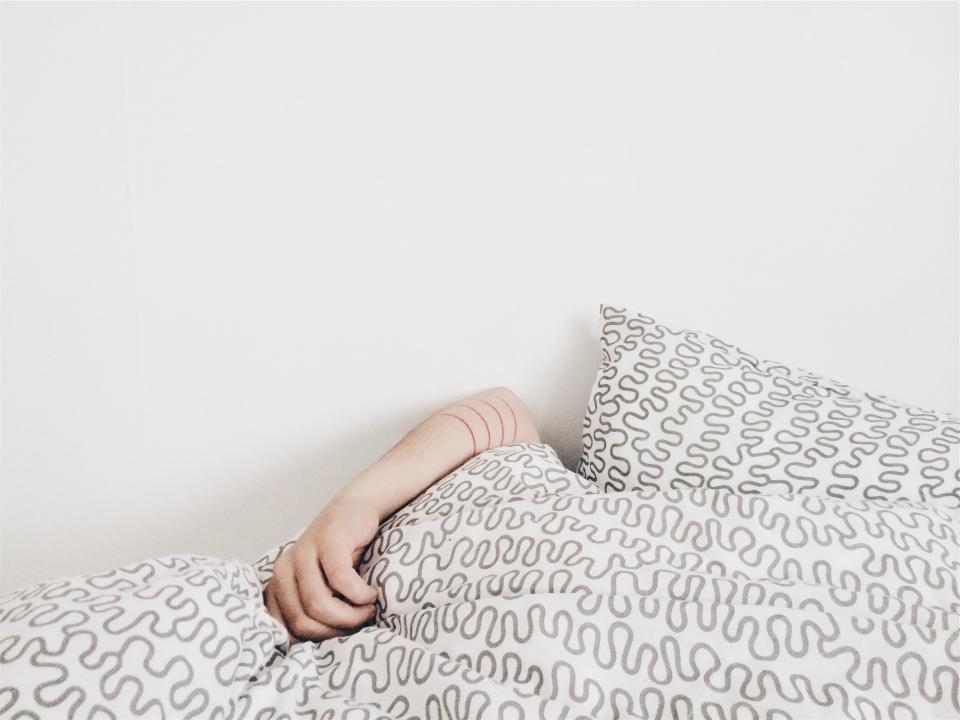
No workout, diet or supplement can replace proper sleep. We look at how much to sleep, why quality matters more than quantity and which habits really help.
During sleep the body does the work it has no resources for during the day: it repairs muscles after exercise, "files away" information, regulates appetite and stress hormones. That is why chronic sleep deprivation feels like more than drowsiness — concentration drops, workouts feel harder and you crave sweets more.
How many hours of sleep does an adult need?
Most experts recommend 7–9 hours of sleep a night for adults and 7–8 hours for people over 65. This is a guideline, not a rule for everyone: some people feel great after seven hours, others need nine. A good sign is waking up without an alarm at roughly the same time and not "crashing" during the day.
What matters more: sleep quantity or sleep quality?
Eight hours with constant awakenings restores you less than seven hours of deep sleep. Quality is affected by your schedule, light, bedroom temperature, caffeine, alcohol and a late heavy dinner.
- Go to bed and get up at the same time — even at weekends, with no more than an hour of difference.
- Keep the bedroom cool (around 18–20 °C), dark and quiet.
- Coffee and strong tea — no later than 6–8 hours before bed.
- Put your phone screen away at least 30–60 minutes before sleep.
- Have a heavy dinner 2–3 hours before bed, not right before it.
How does light affect sleep and your body clock?
Your internal clock is set primarily by light. Bright daylight in the morning helps you fall asleep faster in the evening, while bright cold light late in the evening shifts sleep later. Read more in "Morning light: how to set your internal clock".
What to do if anxiety keeps you awake?
Racing thoughts are one of the most common reasons it takes a long time to fall asleep. Simple breathing techniques help switch the nervous system into rest mode; we collected them in "Stress and breathing".
If you want to add to your evening routine, take a look at Silent Nights patches — LifeWave's evening patch that helps you relax and sleep better. It pairs well with the Cellergize Evening drink with L-theanine, taurine and magnesium — no melatonin or sleeping pills. If tension keeps you awake, some people add the Y-Age Aeon patch for relaxation and wear X39 during the day for energy. But the foundation is always the same: a steady schedule, light and a calm evening.