Creatine for Women: Not “for Bodybuilders,” but for Muscles, Brain and Energy After 40
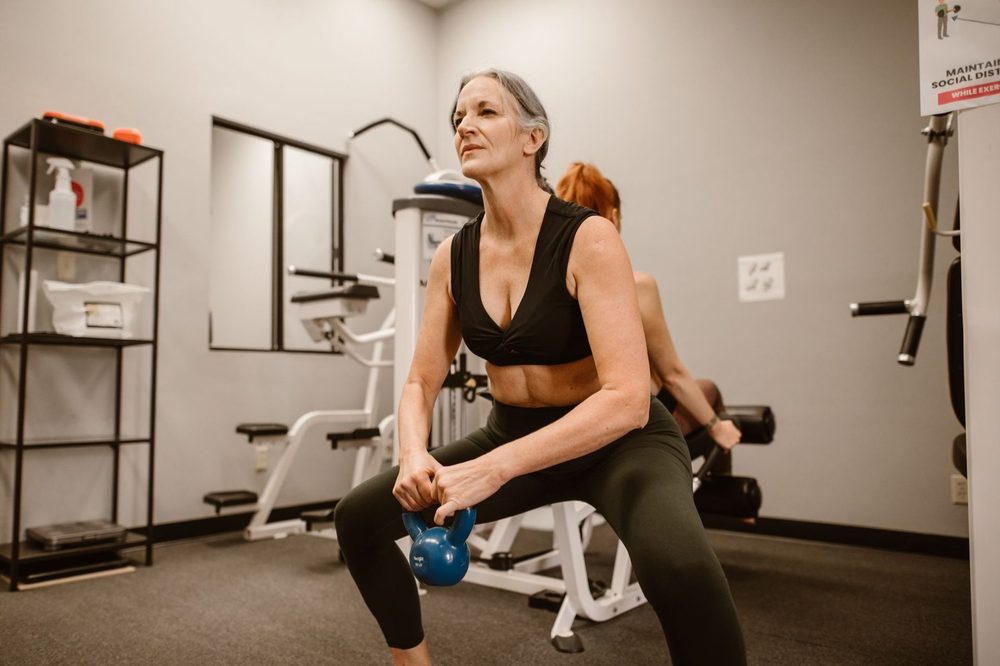
Creatine for women is one of the most talked-about topics on fitness social media. Some are afraid of “bulking up,” others expect youth in a tub. Let’s skip the extremes: what creatine does in the body, which benefits and risks are backed by evidence, why it’s nearly useless without training — and what menopause has to do with it.
Just a couple of years ago creatine sat on the shelf next to bodybuilders’ protein. Today, according to Google Trends, US searches for creatine for women have grown about sevenfold, and social media discusses it as a “brain supplement” and “menopause insurance.” The inconvenient truth lies in the middle: creatine is neither a women’s elixir nor a dangerous “steroid,” but an ordinary substance your body already makes every day.
What does creatine do for women?
In short: it’s fuel for quick bursts of muscle effort. According to Cleveland Clinic, creatine is a natural energy source that helps skeletal muscles contract, and about 95% of its stores are kept in the muscles. The rest is in the heart, brain and other tissues.
About half of what you need the body makes on its own — in the liver, kidneys and pancreas; the other half comes from food: red meat, fish and seafood, dairy. That’s why people who eat little meat usually have lower baseline creatine stores.
Creatine for women over 40: why is everyone talking about it?
Because after 40, two things change at once: muscles and hormones. With age, muscle mass gradually declines, and according to Mayo Clinic, creatine combined with strength training may help counter this age-related muscle loss.
And in menopause, as Cedars-Sinai explains, falling estrogen makes the body use creatine less efficiently. That’s exactly why researchers are increasingly looking at creatine as support for muscles and bones in women during this stage — together with strength training.
We’ve put how to start safely and how to tell whether it’s working into the PDF for this article: a start checklist and a 4-week strength and well-being tracker.