Healthy Fats in Your Diet: Avocado, Nuts, Fish
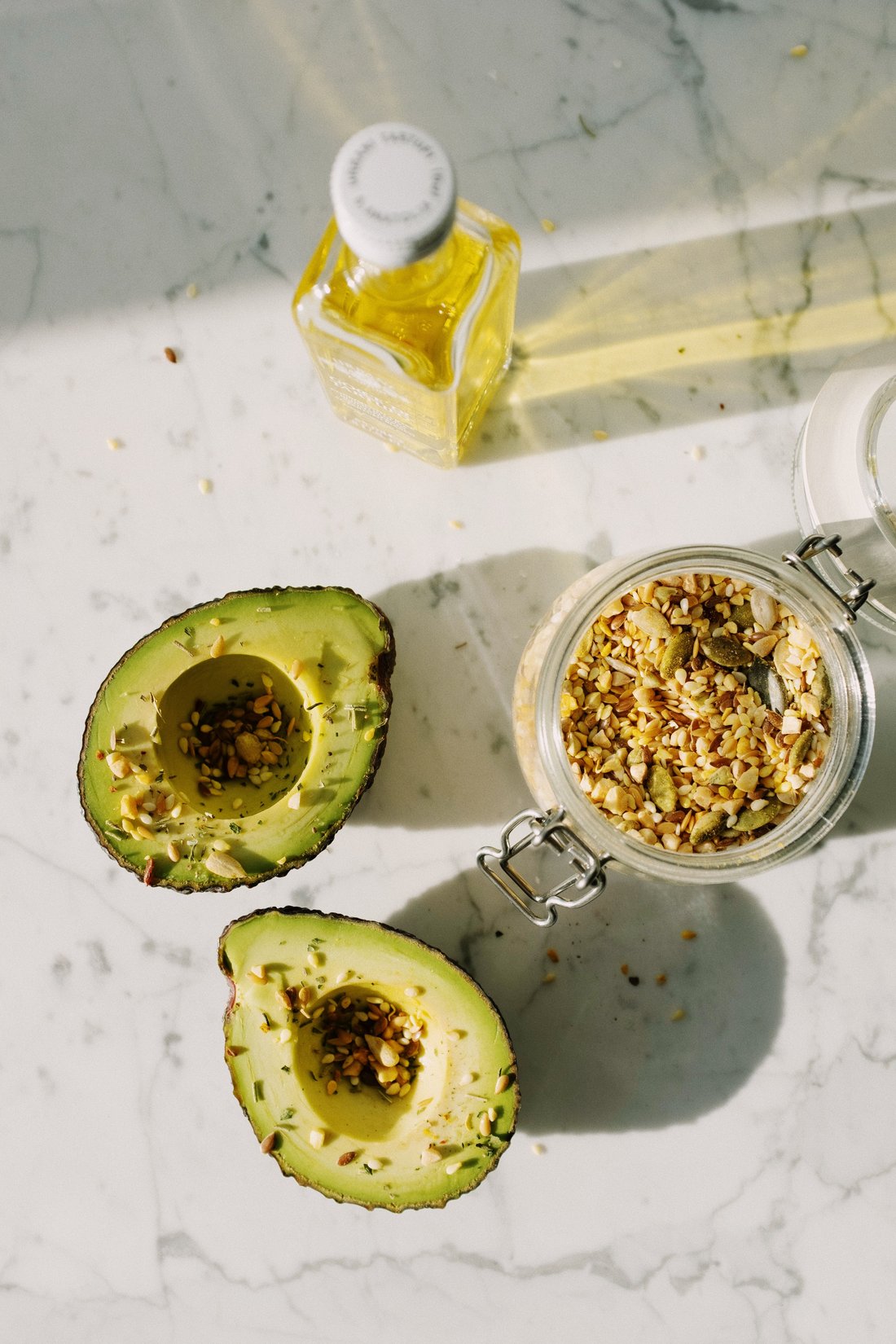
Fat was long treated as the enemy of a lean figure, but the body can't function properly without it. We break down which fats are healthy, how much you need, and where to get them.
Fats are involved in producing hormones, help absorb the fat-soluble vitamins A, D, E, and K, and make up part of cell membranes. The problem isn't fat as such, but an excess of certain types — saturated and trans fats — and a shortage of healthy unsaturated fats, which many people cut back on unfairly along with the "bad" ones.
Which Fats Count as Healthy
- monounsaturated — olive and canola oil, avocado, almonds, hazelnuts;
- polyunsaturated omega-3 — fatty fish (salmon, mackerel, sardines), flaxseed, walnuts;
- polyunsaturated omega-6 — vegetable oils, sunflower seeds — important, but modern diets often already have enough of them.
How Much Fat You Need Per Day
The general guideline is 20–35% of daily calories from fat, with saturated fat kept to around 10%. In practice, this means not being afraid of avocado, nuts, and fish, but not overdoing fatty fast food, sausages, and creamy sauces either.
Why the Body Specifically Needs Omega-3
Omega-3 fatty acids are linked to cardiovascular health, brain function, and reduced inflammation in the body. If fish rarely appears in your diet, it's worth deliberately adding plant sources — flaxseed, walnuts, chia seeds.
Fats and Antioxidant Protection
Unsaturated fats are more sensitive to oxidation, so the body benefits from good antioxidant support — it helps cells cope with oxidative stress in general. A diet rich in antioxidants can be complemented with the Y-Age Glutathione patch, aimed at supporting the body's own antioxidant system.
Cutting fat out of your diet entirely is a bad idea, regardless of whether your goal is weight loss or staying in shape. It's far more important to shift the balance toward unsaturated sources — fish, nuts, avocado, and vegetable oils — and not be afraid of them because of their calorie count.