Horse recovery after a workout: how to cool down and rest properly
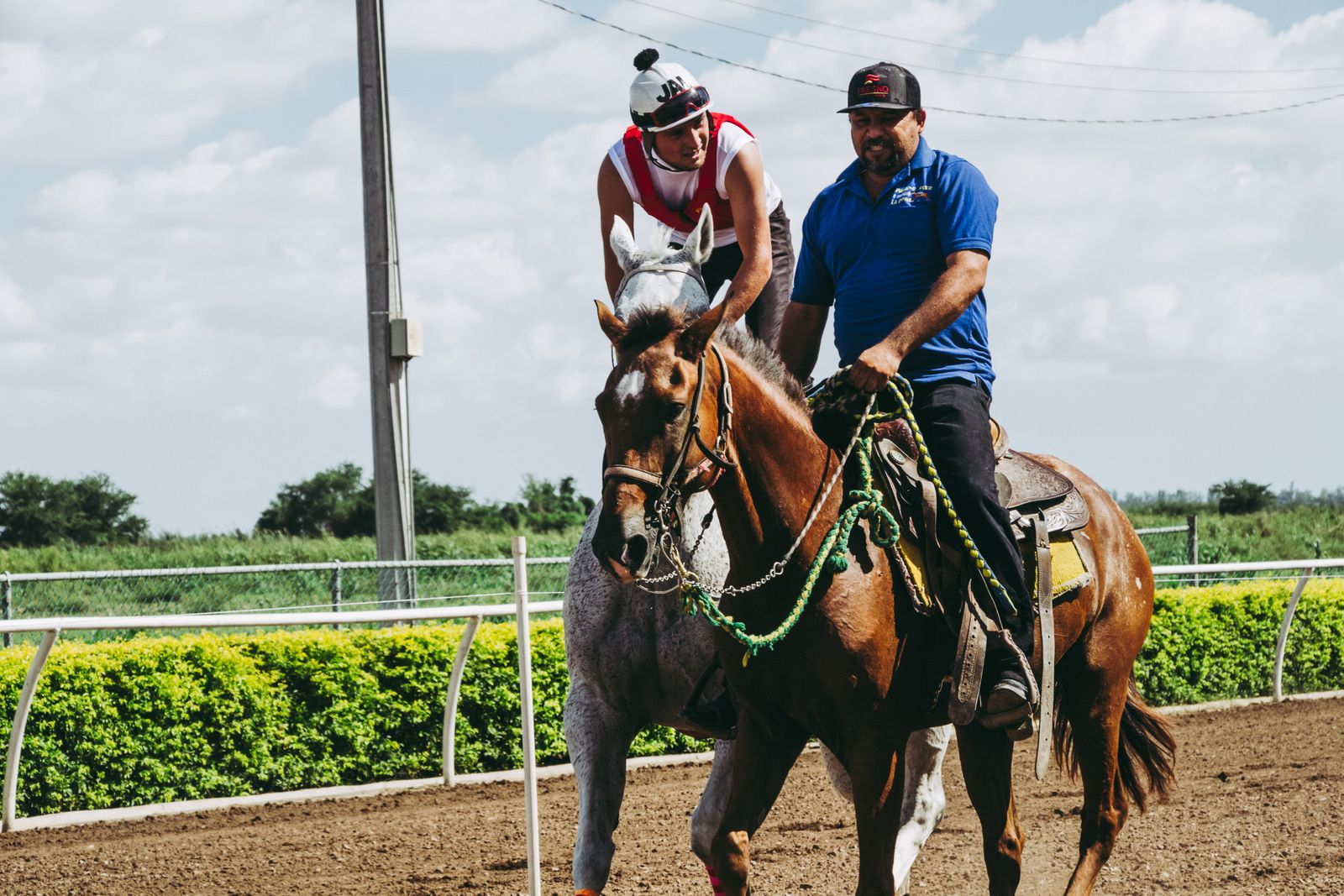
Horse recovery after a workout begins while you're still in the saddle, with a gradual transition to the walk rather than an abrupt stop. Here is how to cool a horse down correctly, when to water and feed and why rest days matter.
Horse recovery after a workout means gradually cooling down at the walk, water in small amounts, delayed feeding and enough rest between sessions. This process matters just as much as the training itself.
Many horses are put straight back in the stall after intense work, and that's a mistake. After exercise, a horse's body needs a smooth return to a resting state.
How does a horse recover after exercise?
After work, a horse's breathing and heart rate are elevated and the body is overheated. Recovery is the gradual lowering of these parameters and rest for the muscles and tendons.
- Breathing and heart rate settle first; this takes minutes.
- Then excess heat dissipates, especially in hot weather.
- After that, muscles and tendons need time to rest: hours or days, depending on the workload.
Read more about cooling-down principles from Mad Barn, and about recovery strategies for equine athletes in the article from The Horse.
How do you cool down a horse properly?
The main rule is no abrupt stops: transition to the walk gradually and keep working until the horse settles.
- Move down to the walk gradually, since stopping abruptly after a gallop increases the strain on the heart.
- Keep walking for 10–20 minutes until breathing and heart rate return to normal.
- In hot weather you can hose the legs and body with cool water, which speeds up heat loss.
- After hosing, remove excess water with a sweat scraper so it doesn't hold in the heat.
When to water and feed a horse after work?
Water can be offered in small amounts during the cool-down, but feeding is best delayed. Water used to be withheld completely, but the modern approach has moved away from that.
- Offer water little by little while the horse cools down.
- Delay feeding for 30–60 minutes after intense work.
- Hay can usually be offered before concentrates; check the routine with your trainer.
How long does a horse need to recover between workouts?
A horse's muscles and tendons, like a person's, need time to recover. A packed schedule with no rest days raises the risk of overload and injury, especially in sport horses.
- Alternate intense days with light work or rest.
- Turn the horse out in a paddock, since free movement helps recovery.
- Increase the workload gradually, especially after a break.
The same principle works for people too; we explained why there's no progress without rest days in "Rest days from training".
Which mistakes get in the way of recovery?
Most problems come from rushing. Here is what to avoid:
- Putting a hot horse in the stall right after work.
- Covering a wet, hot horse with a heavy rug in warm weather.
- Feeding concentrates immediately after intense exercise.
- Giving equally hard work every day with no easy days.
Keep a simple training log: what you did, how long the cool-down took, how the horse ate and behaved after work. Notes like these help you and your trainer notice in time when the workload has become too high.
When should you call the vet?
If a horse isn't recovering the way she usually does, that's a signal you shouldn't ignore.
If you ride yourself, find out what riding does for the rider in "Horse riding benefits: posture, balance and a better mood".
For senior and sport horses, owners often consider AcuLife, a version of LifeWave technology for animals. According to the company, it is used to support recovery after heavy workloads and competitions, and the placement is chosen according to the species and size of the animal. Read more about how it's used for dogs, cats and horses in "AcuLife: what owners need to know"; talk to your vet before using it.