Self-massage for muscle recovery: simple techniques at home
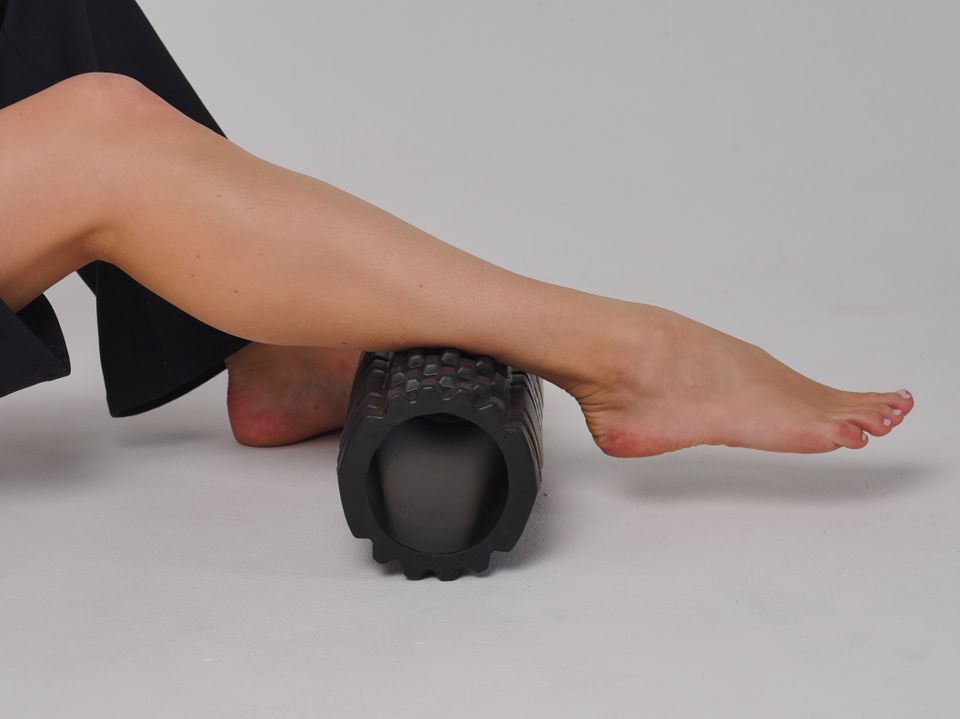
A foam roller, a tennis ball or just your hands — here is how self-massage eases muscle tension after exercise and when it is genuinely useful.
After a strength session or a long walk your muscles feel tight, sometimes with painful "knots". Self-massage does not replace a proper massage from a specialist, but it helps release tension right at home and often makes the next day noticeably easier.
What do you need for self-massage at home?
- A foam roller — for the large muscles of the legs and back.
- A small firm ball (a tennis or massage ball) — for the feet, glutes and between the shoulder blades.
- Just your hands — for the calves, forearms and neck.
How do you do self-massage properly?
Move slowly along the muscle rather than across it, and there is no need to press as hard as you can — aim for tolerable discomfort, not sharp pain. On a particularly tight spot you can pause for 20–30 seconds, breathing calmly. Avoid direct pressure on joints, bones and the spine.
- Start with the large muscles — thighs, calves, back — and only then move on to smaller areas.
- After a strength session, wait 20–30 minutes before massaging rather than starting straight away.
- Drink enough water — it is also part of recovery; more in "How much water do you really need to drink".
Should massage replace your workout or follow it?
Self-massage is not a substitute for stretching or a proper rest day — it complements them. It works best as part of a sequence: workout → light stretching → self-massage in the evening.
Many people combine self-massage with wearing the X39 patch or X49 on training days — read how amateur athletes do it in "X39 for athletes". And for muscles that really "burn" after exercise, some people use the cooling IceWave.