Thai massage benefits: what it is, how it helps and who should be careful
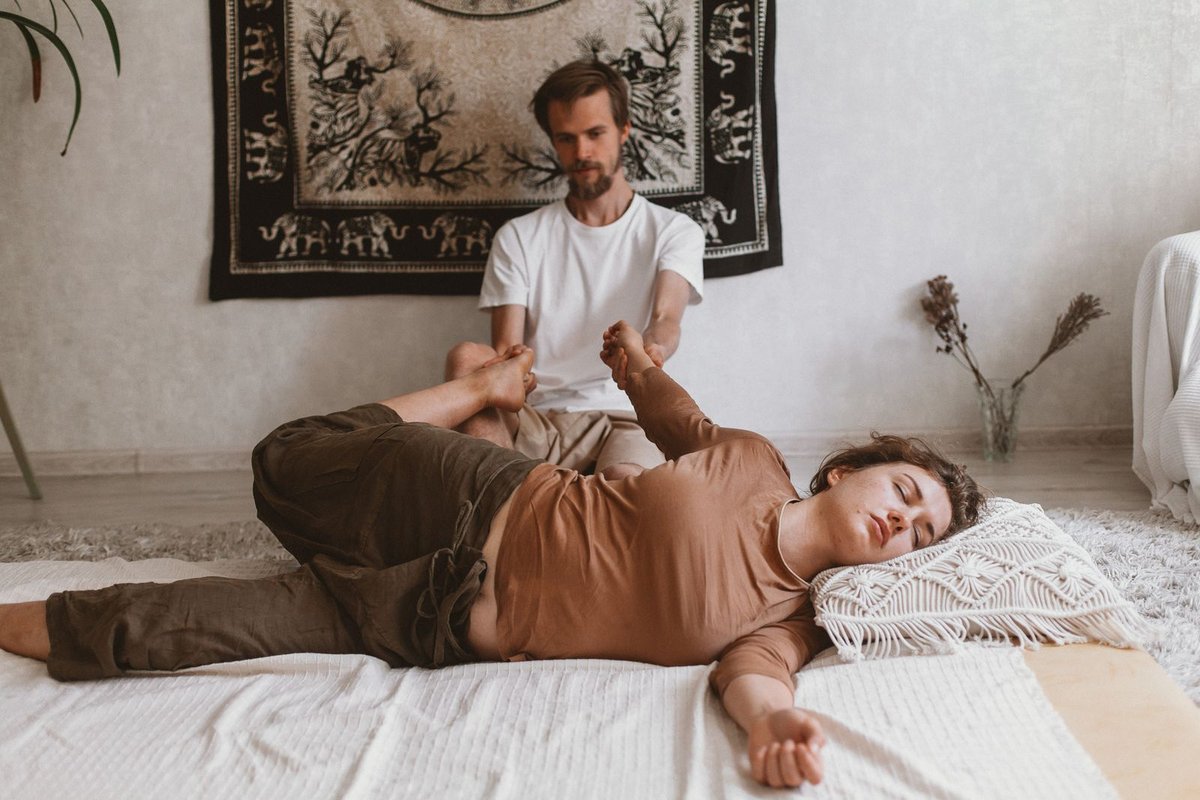
Thai massage isn’t gentle stroking but a combination of pressure, stretching and breathwork. Here are the Thai massage benefits for recovery, how to prepare for a session and who should be more careful.
Thai massage, or nuad thai, is an ancient practice passed down from generation to generation in Thailand. In 2019, UNESCO added it to the list of the Intangible Cultural Heritage of Humanity (UNESCO). Today it’s practiced far beyond Thailand, and many people choose it specifically for recovery after exertion and stress.
What is Thai massage?
It’s a session on a mat in loose clothing, where the practitioner combines pressure along the lines of the body with passive stretches. It feels a bit like yoga that someone else does for you: your arms and legs are gently guided into bends, twists and stretches.
What are the Thai massage benefits and effects?
Massage in general is considered a way to release muscle tension and feel calmer (NCCIH). In small studies, a session of traditional Thai massage was followed by lower perceived stress and changes in markers associated with relaxation (PubMed).
- A feeling of lightness and mobility after the stretches.
- Relaxation of back, neck and leg muscles after exercise or long hours of sitting.
- Calm: the slow rhythm and deep breathing help you switch off.
Between sessions, the techniques in our articles Self-massage for muscle recovery and Foam rolling help support your muscles.
Thai massage benefits for athletes: how to prepare for a session?
Wear comfortable clothing, don’t eat a heavy meal 1–2 hours before the massage and tell the practitioner about your wellbeing in advance. After the session, drink some water and don’t plan a hard workout right away.
You’ll want that post-massage lightness to last longer. For comfort in movement some people choose IceWave, and for calm and relaxation Y-Age Aeon: according to LifeWave, the patches don’t penetrate the skin and don’t introduce anything into the body.
Questions and answers
How is Thai massage different from classic massage?
Does Thai massage hurt?
How often can I get a Thai massage?
Read also
Sources
- UNESCO Bangkok — Traditional Thai massage inscribed as Intangible Cultural Heritage of Humanity
- NCCIH — Massage Therapy: What You Need To Know
- PubMed — The immediate effects of traditional Thai massage on heart rate variability and stress-related parameters in patients with back pain associated with myofascial trigger points