Jet lag recovery time: why a long flight steals a week of your vacation
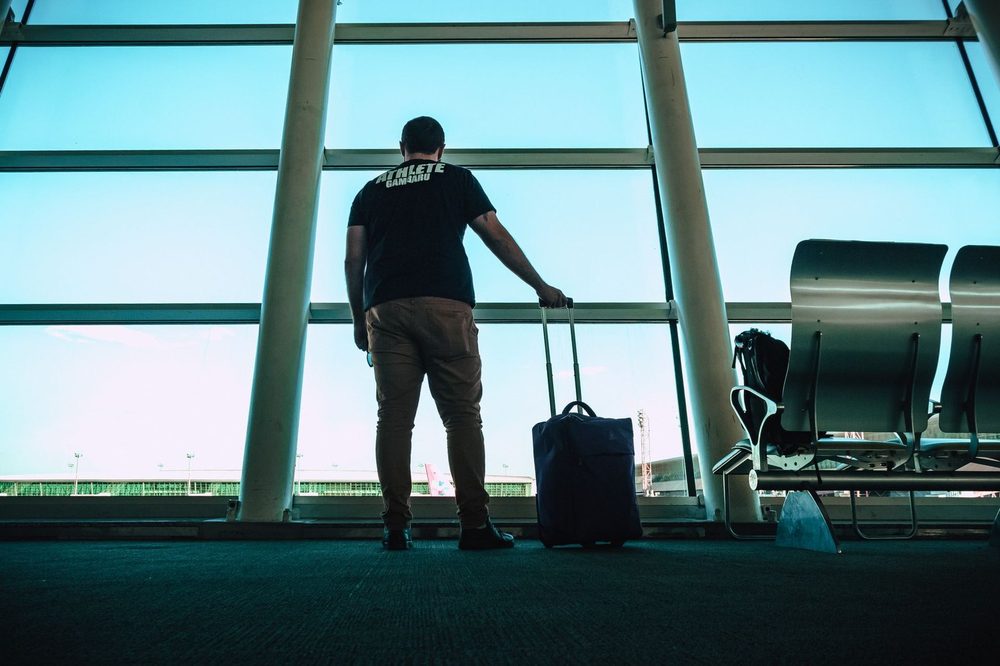
Crossing time zones costs you more than the hours on the plane: jet lag recovery time is roughly a day for every time zone before your body catches up with local time. Here's how time zone changes affect your body, how long jet lag lasts, and what to do before, during and after your flight to adjust faster.
Questions and answers
How long does jet lag last?
According to the Sleep Foundation, 1–1.5 days on average for every time zone crossed — anywhere from a few days to a couple of weeks. Adjusting after flying east usually takes longer than after flying west.
How does changing time zones affect your body?
Your internal clock keeps running on home time while day and night around you have already changed. The result: trouble sleeping, daytime drowsiness, poor focus, irritability, lower stamina and digestive upsets.
How can you make crossing time zones easier?
Start shifting your sleep 2–3 days before departure, skip alcohol and extra coffee on the plane, and get light at the right time of day after landing. Keep daytime naps to 20–30 minutes so they don't throw off your night's sleep.
Why is jet lag worse when flying east?
Flying east means going to bed and getting up earlier, and your internal clock shifts later more easily than earlier. According to the CDC, the body adjusts by about 1.5 hours a day going west, but only by about an hour a day going east.