Micro-workouts during the day: short activity instead of an hour at the gym
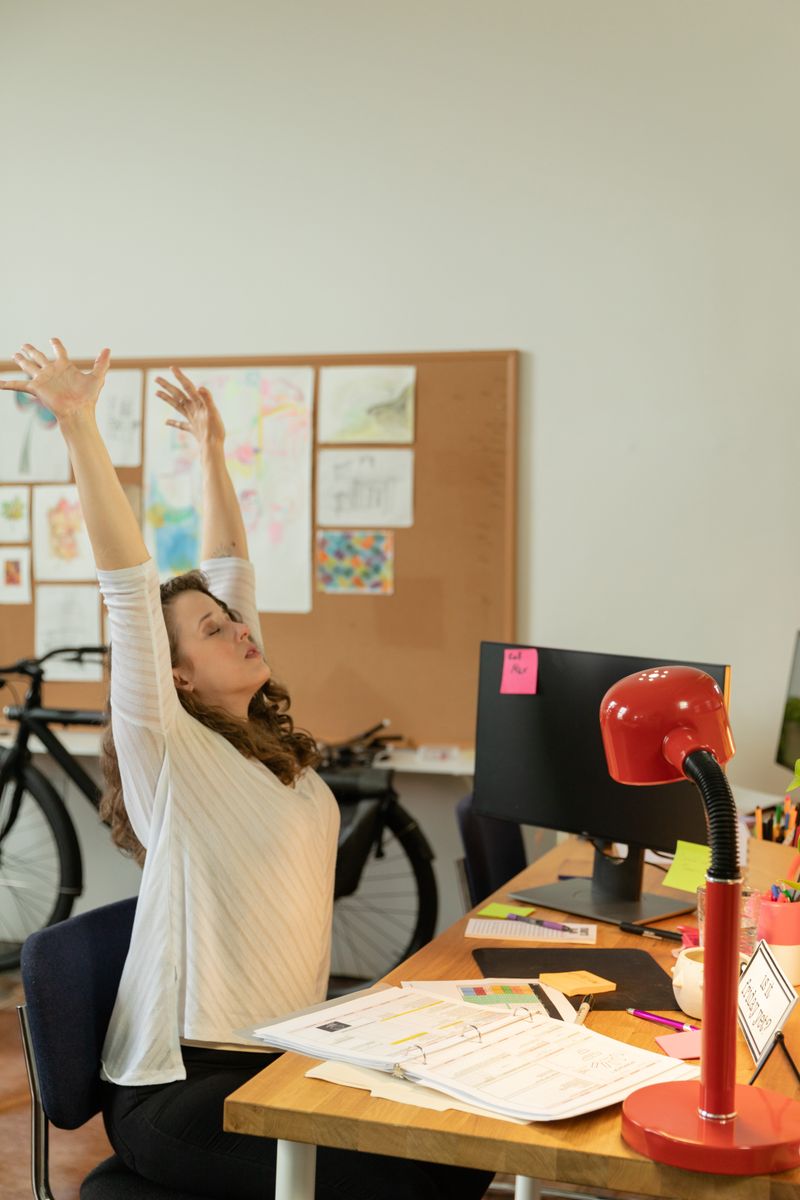
Micro workouts during the day are a few minutes of movement between tasks, also known as "exercise snacks." Here is why they're worth doing and how to fit them into an ordinary workday.
Micro workouts during the day are short bursts of activity lasting 1–5 minutes between tasks: taking the stairs, doing a few squats, a brisk walk. Research in recent years shows that these "exercise snacks" offer real benefits for people who don't have time for an hour at the gym.
The good news: to get started you don't need a gym membership, workout clothes or a free evening.
Micro-workouts are especially helpful for people who work at a computer, spend a lot of time commuting or are just getting back into activity after a break.
What are exercise snacks?
They're short bursts of activity you slip in between your usual tasks. Like a snack, their job is to "feed" your body some movement throughout the day.
The term describes bursts of 1–5 minutes: taking the stairs instead of the elevator, a few squats between meetings, a brisk walk after lunch. CNN and UPMC HealthBeat have written about researchers' interest in this approach.
Benefits of micro workouts throughout the day
Most importantly, they break up long hours of sitting still. Regular short bursts of activity reduce the harm of continuous sitting, even with the same total amount of exercise per week.
- They help you perk up during the afternoon energy dip.
- They take the load off your back and neck after long hours at the computer.
- They lower the mental barrier: a few minutes is easier to find than an hour.
- Over time, they build a habit of moving that later carries over into full workouts.
Plus, this format is easier to fit into any schedule: traffic jams, late meetings or not having a gym near home can't cancel it.
How to fit micro workouts throughout the day at work?
Tie short bursts of activity to things that already happen every day: calls, breaks, trips to get water.
- Every hour — 1–2 minutes of stretching or walking in place.
- Take the stairs instead of the elevator when you can.
- Take a short walk during a phone call.
- Do a few squats every time you get up for water.
- A 10-minute walk after lunch — read more in "Walking after eating".
Which exercises work at the office and at home?
Anything that doesn't need equipment, much space or a shower afterward will do.
Choose the intensity based on how you feel: you should warm up slightly and feel more alert, but not get out of breath or lose your focus for work after the break.
- **For your legs** — chair squats, lunges, calf raises.
- **For your arms and core** — desk or wall push-ups, a plank against the edge of the desk.
- **For your back and neck** — head tilts and turns, shoulder blade squeezes, stretches.
- **For an energy boost** — brisk stair climbing or walking in place.
If you sit a lot, the exercises in "Posture at the computer" will come in handy. For rainy days and working from home, find ideas in "Indoor exercises for rainy days".
Are micro workouts effective enough to replace full workouts?
Not entirely. Short bursts of activity are a good addition, but regular longer sessions still matter for your heart, strength and endurance.
A handy plan: micro-workouts every day plus a few full sessions a week — walking, swimming, strength training, cycling. The most accessible baseline activity is covered in "Benefits of walking".
How not to give up after a week?
Start with the minimum and track what you've done. A small goal that's easy to reach works better than an ambitious plan.
- Start with 3–4 short bursts a day.
- Choose exercises you enjoy.
- If you have health limitations or joint pain, work out safe movements with a doctor or trainer.
- Log each completed burst in your notes or a tracker — visible progress is motivating.
- Gradually increase the intensity: a faster pace, more reps, one more flight of stairs.
If you want more ideas for an energizing start to the day, try the Japanese morning exercises from "Radio taiso" — they take just a few minutes and make a great first micro-workout.