Ramadan fasting tips: how to keep your energy and sleep during the fast
These Ramadan fasting tips are for a month when the whole rhythm of the day changes: meals, sleep, workouts. We’ve gathered practical advice from nutrition experts on suhoor, iftar, water and rest so you can get through the fast with energy.
Ramadan is a time when your usual routine turns upside down: an early suhoor (in Kazakhstan called säresi), a long day without food or water, and an evening iftar (auyzashar) with family. These Ramadan fasting tips don’t discuss the fast itself — only practical things that help you keep your energy, sleep well and feel alert all month.
Ramadan fasting tips for energy and wellbeing: how do you avoid fatigue?
The keys are water, balanced meals during the permitted hours, and sleep. The British Nutrition Foundation stresses that drinking enough fluids and eating water-rich foods is key to how you feel during the day.
- Spread your water over the whole evening and night: a little after iftar, before bed and at suhoor.
- Limit salty foods — they increase thirst during the day.
- Try not to drink a lot of coffee and strong tea in the evening: caffeine interferes with both sleep and hydration.
Ramadan fasting nutrition tips: what to eat for suhoor?
Suhoor should provide long, steady energy: starchy foods, protein and plenty of fluids. Good choices include oatmeal, milk-based porridges, yogurt with fruit, eggs, whole-grain bread and vegetables.
Healthy Ramadan fasting tips: how to break the fast at iftar?
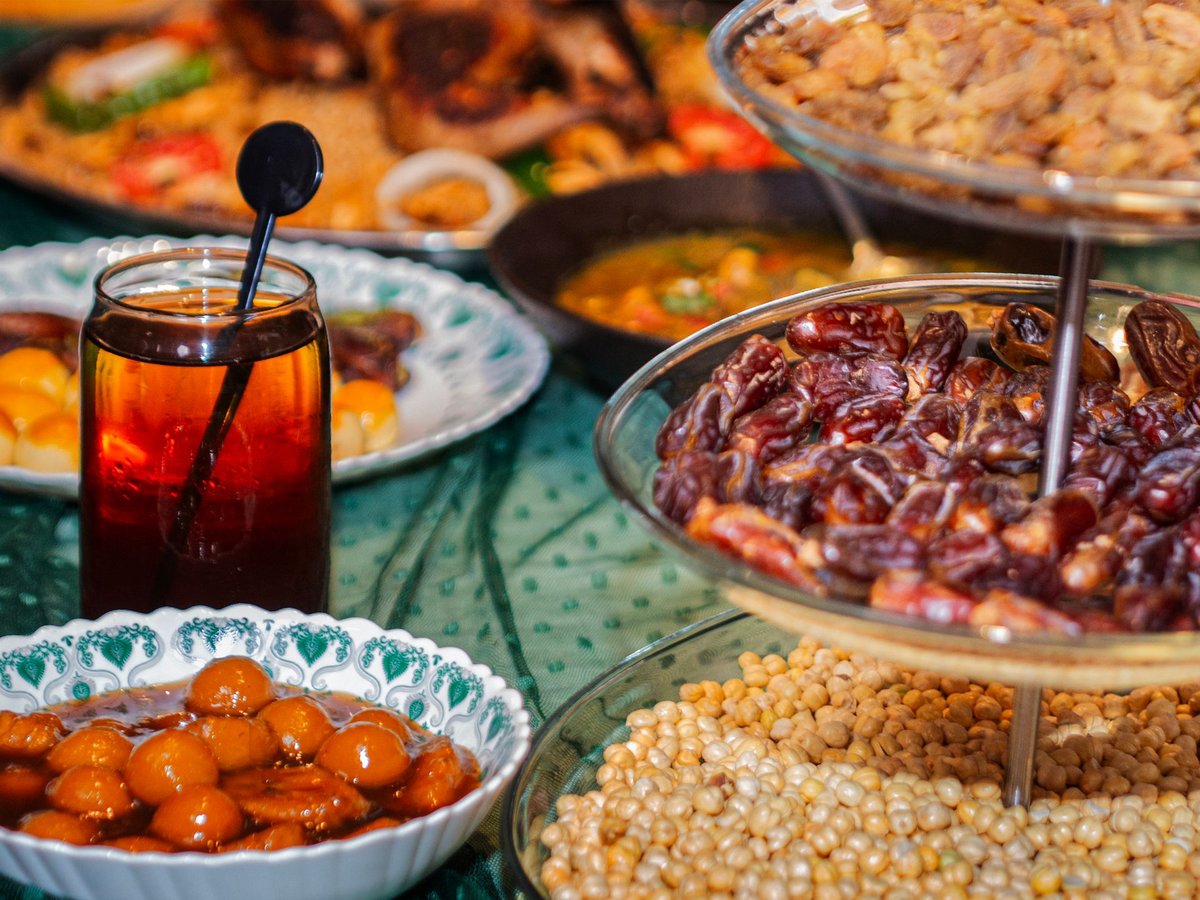
Start with water and something light: dates, fresh fruit, lentil or bean soup. Then a balanced plate with protein, vegetables and complex carbohydrates, and leave sweets for later. Your brain needs about 20 minutes to register fullness, so eat slowly.
How do you get enough sleep and when should you move?
Sleep during Ramadan is often broken into parts, so go to bed earlier and, if possible, allow yourself a short rest during the day. For movement, a walk after iftar suits many people; it’s best to lower workout intensity — read how exercise and sleep fit together in our article Evening workouts and sleep.
More about water in our article How much water should you drink. In the hours between iftar and suhoor, it’s convenient to complement your diet with the Cellergize drinks: according to the company, the morning one contains vitamins and minerals, and the evening one L-theanine, taurine and magnesium. And for calm sleep on short nights, there’s the Silent Nights patch — according to the company, melatonin-free.