Recovering from the holidays: getting your routine and wellbeing back
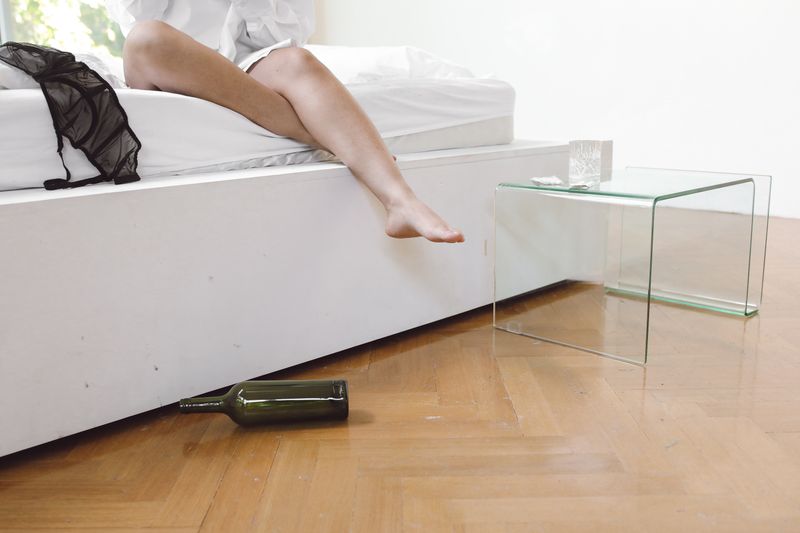
Recovering from the holidays starts with simple steps: after a string of big meals and disrupted sleep, your body is asking for a pause. Here is what helps you get back into your usual rhythm faster.
Recovering from the holidays starts simply: go back to your usual wake-up time, drink enough water, eat regularly and move more. After a string of feasts, late nights and days on the couch, your body usually lets you know it's time to get back into rhythm. You don't need strict diets or "detox days" for this.
Why is it hard to get back on schedule after the holidays?
Several pillars of wellbeing get knocked out at once: sleep, eating, activity and hydration.
- Late nights and long lie-ins shift your internal clock.
- Rich, salty and sweet food leaves you feeling heavy and causes energy swings.
- Alcohol worsens sleep quality and contributes to dehydration.
- There's little movement — many hours at the table and in front of a screen.
How do you recover from the holidays on day one?
Restore your basic rhythm: wake-up time, water, breakfast and a bit of movement.
- Get up at your usual time, even if you'd like to sleep in.
- Start the morning with a glass of water and drink enough throughout the day — especially if you had a lot of salt and alcohol the day before.
- Don't skip breakfast, even if your appetite is lower than usual: a light meal with protein gives energy without heaviness.
- Go for a walk in daylight.
More on hydration in "How much water do you need a day". Why water, food and sleep matter so much after a celebration with alcohol is explained by Cleveland Clinic.
How do you get your sleep schedule back?
Sleep is the first thing to fix: it restores overall wellbeing the fastest.
Move your bedtime earlier gradually rather than all at once. In the evening, dim the lights and put your phone away; in the morning, get into daylight right away. If your schedule has drifted a lot, the tips in "How to fix your sleep schedule" will help. If you need a daytime nap, keep it short and not too late in the day so it doesn't interfere with falling asleep.
How do you eat without harsh restrictions?
Ease back into your usual way of eating — fasting after feasts more often leads to overeating again.
- More vegetables, protein and simple home-cooked food.
- Less salt and sugar — that eases the heaviness and energy spikes; more in "Sugar and energy".
- Eat regularly, without long gaps.
- Don't finish all the holiday leftovers in one go "so they don't go to waste".
How do you recover from holiday fatigue when work is about to start?
Make your last day off a transition day: an early start, light food, a calm evening.
The New Year break is usually the longest, and your routine has time to slip the most. It helps to sketch out plans for the first work week in advance, not put the hardest tasks on day one, and go to bed earlier for the first few days.
What if you have no energy after the holidays?
Low energy in the first days after the holidays is normal: your body is readjusting to the work rhythm.
Don't try to make up for fatigue with lots of coffee and sweets — that gives a short lift followed by another crash. Instead:
- take short movement breaks during the workday;
- go outside at lunchtime to get some daylight;
- eat regularly and add protein and vegetables to every meal;
- go to bed earlier, at least for the first few days.
More ideas in "Daytime energy without caffeine".
How do you get back to exercise?
Start with light activity — a walk or a warm-up, not an intense workout.
After a break, the body responds better to a gradual return. A few days of walking, stretching and light exercise will restore your tone without overload. On the role of sleep in recovery, see "Sleep is your most powerful recovery tool".
To support their energy while getting back into rhythm, many people use the X39 patch and Cellergize Duo drinks: according to the company, X39 helps you feel more energy during the day, while the Cellergize Morning and Evening pair supports an "energized morning, calm evening" routine. Cellergize products are dietary supplements: if you are pregnant, breastfeeding, taking medication or have a health condition, check with your doctor.