Salt and swelling: how excess sodium affects how you feel
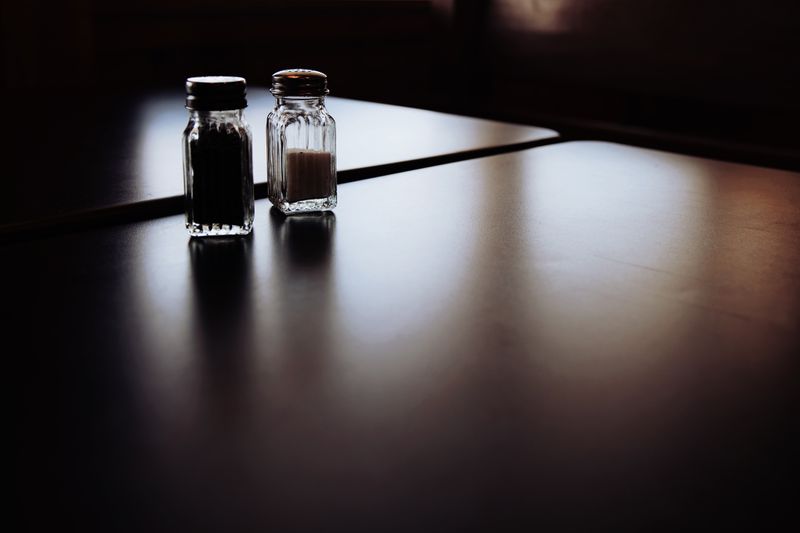
Salt and swelling are directly connected: a puffy face in the morning and heavy legs in the evening sometimes come down not to water but to how much salt you ate the day before. Here is how it works and what you can change.
Salt and swelling are connected through sodium: it holds water in the body, so after salty food your body retains more fluid. That's why a puffy face in the morning or heavy legs in the evening often come down to a salty dinner or snacks the day before.
The good news is that this kind of everyday puffiness can often be reduced with simple changes to what you eat.
Salt intake and swelling: how are they connected?
Sodium helps your body maintain its fluid balance. When there's too much of it, the body holds on to more water to dilute the sodium — and you feel that as puffiness and heaviness.
That also explains the familiar thirst after salty food: your body needs fluid to restore the balance. Most often this is temporary and passes once your eating returns to normal.
It's especially noticeable after a dinner with sauces, cured meats or fast food: in the morning your face looks puffy, and by lunchtime everything is back to normal.
- Puffiness under the eyes and on the face in the morning.
- Heavy legs and swollen feet by evening, especially after a day on your feet or a flight.
- A feeling that your rings have gotten tighter.
For more on swelling during long trips, see "Long flights".
How much salt is considered normal?
Most guidelines limit intake to about 5–6 grams of salt a day — roughly a teaspoon. In practice, many people get noticeably more, even without adding salt at the table.
The American Heart Association recommendations advise choosing lower-sodium foods and relying less on prepared food — in other words, looking not just at the salt shaker but at your whole diet.
Where does extra salt hide?
Most of the salt usually comes not from the shaker but from processed foods. You often can't even taste it.
- Ready-made sauces, canned goods and convenience foods — the main source of hidden salt in the diet.
- Bread and baked goods — the salt in them is often hard to taste.
- Deli meats, cured and smoked foods, cheese and snacks.
- Restaurant food is usually saltier than food cooked at home.
To spot hidden salt faster, check out "How to read food labels" — it explains which line of the Nutrition Facts panel to look at.
How to cut back on salt gradually?
Reduce salt step by step rather than all at once: going cold turkey often makes food taste bland and leads to giving up. Your taste buds adjust within a few weeks.
- Add herbs, spices, garlic and lemon juice — they bring bright flavor without salt.
- Taste your food before adding more salt.
- Cook at home more often — that way you control how much salt goes in.
- Choose reduced-sodium versions of foods when they're available.
- Salt your dish at the end of cooking — the salty taste comes through more strongly, so you need less.
- Keep the salt shaker in the cupboard instead of on the table: the habit of salting "on autopilot" fades faster.
Does water help with swelling from salt?
Yes, drinking normally helps your body restore its balance. Paradoxically, trying to "drink less so you don't swell" usually doesn't help.
Water, vegetables and fruit in your diet, plus moving throughout the day, support your natural fluid balance. For how much you really need to drink, see "How much water do you need".
Potassium from vegetables, fruit and legumes helps the body keep sodium in balance, so a plate full of plant foods is a good counterweight to salty foods. Short walks and changing position during the day also help if your legs feel heavy by evening.
When is swelling a reason to see a doctor?
Everyday puffiness after salty food goes away within a day or two. If swelling is constant, pronounced or unrelated to what you eat, it's a reason to see a doctor.
Going easy on salt is one of the simple habits for a healthy heart and blood vessels. For more habits like this, see "Heart health".