Senior dog care: how to keep an older dog active and happy
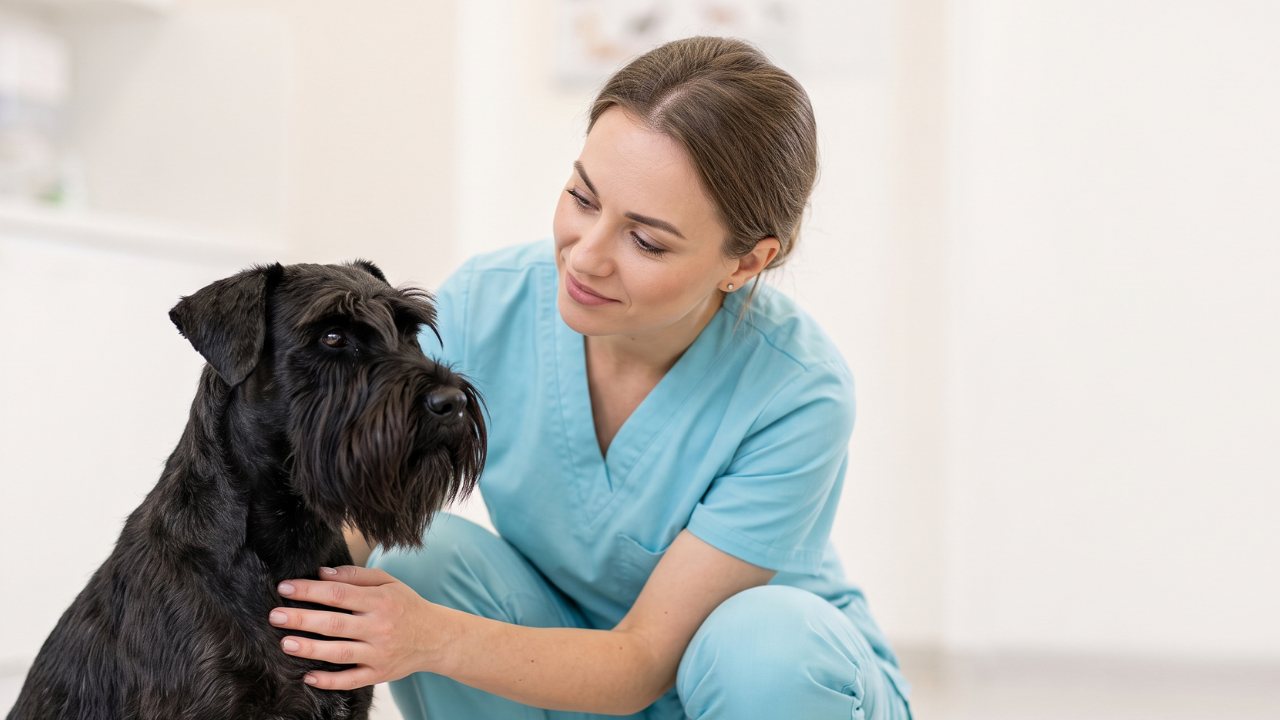
Senior dog care starts earlier than you might think: large breeds become “seniors” by 6–7 years old, small breeds by 9–10. Here's how to adjust walks, your home, diet and vet visits so your dog stays lively for as long as possible.
Senior dog care means regular vet check-ups, gentler and more frequent walks, a comfortable home without slippery floors and food suited to your dog's age. These changes help your pet stay active and happy for longer.
Dogs age gradually: your pet sleeps longer, is slower to take the stairs and tires more quickly on walks. Many owners put it down to “old age” and change nothing. But attentive care can noticeably extend your four-legged friend's active years.
How do you take care of an old dog: what comes first?
The most important thing is not to skip check-ups: veterinary associations recommend taking older dogs to the vet at least every six months. Many age-related changes — in the teeth, joints, kidneys and heart — are easier to support if they're spotted early.
- Keep notes: appetite, weight, how much your dog drinks, sleeps and walks.
- Once a week, check the teeth, paws, nails and skin.
- Discuss any sudden changes with your vet.
How to walk a senior dog?
Several short walks a day are better than one long one: that way the joints get movement without overload.
- Soft surfaces — grass, dirt paths — instead of pavement.
- Swimming is excellent exercise with no strain on the joints.
- Avoid jumping and sudden dashes after a ball.
- In hot weather, walk in the morning and evening; in the cold, cut your time outdoors.
Walks are good not only for the dog but for the owner too — read more in “Walking a dog”.
What if your senior dog doesn't want to go for a walk?
Don't pull your dog along: reluctance to walk often signals discomfort, tiredness or fear rather than “laziness.” First, try to figure out why.
- Shorten the walk and choose a calm, familiar route.
- Check the paws and nails, and pay attention to the weather — heat and cold are harder on older dogs.
- Offer a game with sniffing tasks — it's exercise without rushing.
If your dog starts limping, is reluctant to get up or refuses walks several days in a row, talk to your vet.
Why does a senior dog sleep so much?
Dogs really do sleep more as they age — that's normal if the rest of the time your pet is alert, eating and curious about the world. Sudden changes are what should worry you.
- Give your dog a quiet, warm place to rest.
- Keep a routine: feeding and walks at the same times.
- Note if sleep becomes restless or your dog is hard to wake, and tell your vet.
Learn more about normal sleep for pets in “Pet sleep”.
Senior dog care tips: how to keep an older dog's mind sharp?
Mental exercise matters as much as physical exercise for an older dog: it helps keep up their interest in life.
- Snuffle mats and treat-dispensing toys.
- Short training sessions with commands — even familiar ones.
- New walking routes at a relaxed pace.
- Time with people and calm dogs.
Five to ten minutes of activity several times a day beats one long session. Praise your dog for every try and end the session while it's still interested — that way new tasks bring joy rather than fatigue.
How to best care for a senior dog at home?
- An orthopedic dog bed in a warm spot away from drafts.
- Rugs on slippery floors, a ramp to the couch or car.
- Raised bowls, so your dog doesn't have to bend down low.
How to feed a senior dog?
Extra weight is the joints' worst enemy. Senior dog food is usually lower in calories and takes age-related needs into account (WSAVA). It's best to discuss diet changes with your vet, and we've written about weight control in “Excess weight in cats and dogs”.
Owners of older pets often ask us about AcuLife, the version of LifeWave technology for animals. It's a wellness product and doesn't replace a vet, so check with your vet before using it. We explain what it is and how it's used in “AcuLife for dogs, cats and horses: what owners need to know”.