Pet sleep: how much do cats and dogs sleep, and when to worry
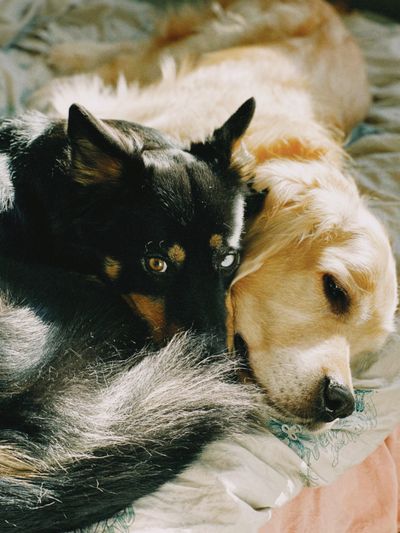
Cats sleep most of the day, while dogs sleep less — and both are normal. Here's how much sleep a pet needs and what changes signal a problem.
Owners sometimes worry that a pet 'sleeps too much', though for cats and dogs long sleep is a natural norm, not a sign of illness.
How much sleep a cat and dog need
Cats sleep 12-16 hours a day — this conserves energy for short but intense bursts of hunting activity. Dogs sleep a bit less, usually 12-14 hours, with puppies and older dogs sleeping more.
What affects a pet's sleep quality
- A stable feeding and walking schedule.
- A calm, quiet resting spot away from drafts.
- Daytime activity level — a lack of movement can disrupt sleep quality.
When to be concerned
A sudden increase in sleep, nighttime restlessness, whining, or pacing before sleep in older animals is sometimes linked to age-related changes or discomfort. In that case, it's better to consult a veterinarian rather than blame it all on age.
We've written about supporting activity and wellbeing in older pets in "Caring for an older dog", and about AcuLife — the version of LifeWave's technology for animals — in "AcuLife: what pet owners should know".