Keeping an indoor cat active: enrichment ideas for your pet
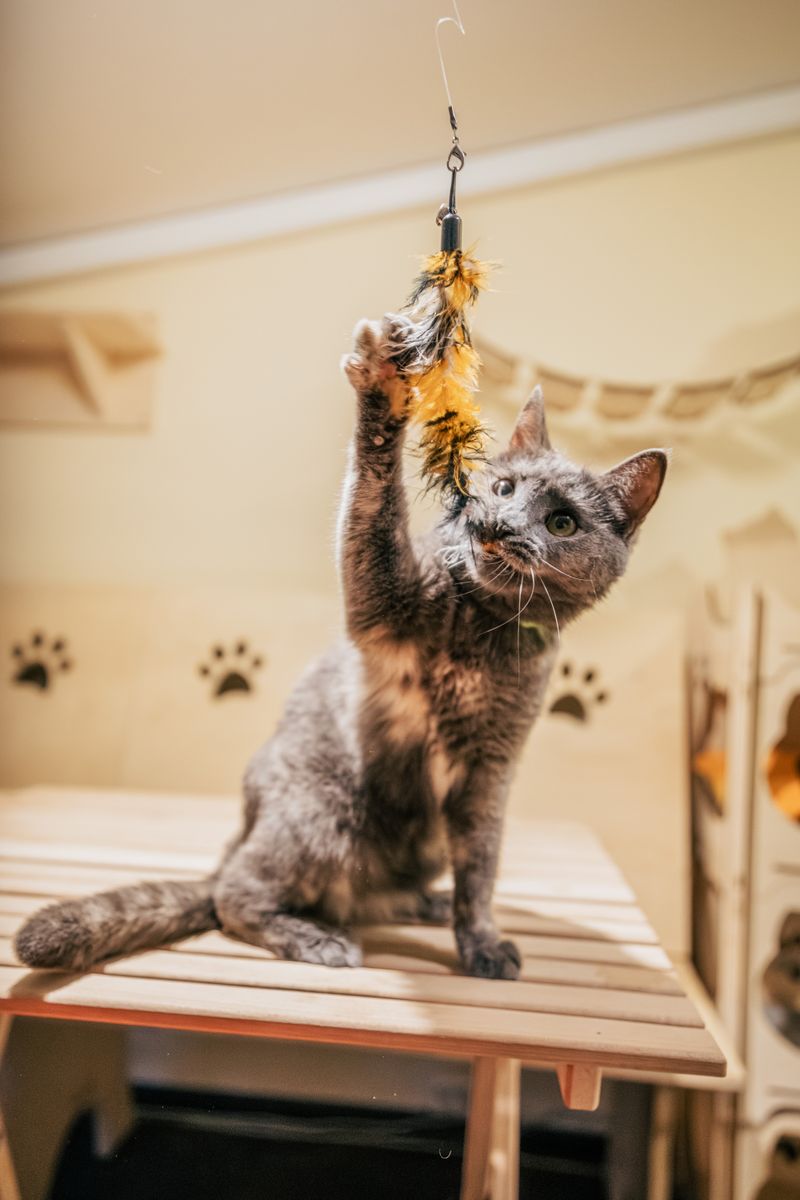
An indoor cat gets far less natural exercise than its outdoor counterpart. Here's how simple changes can bring back play, hunting, and movement to its day.
In the wild, cats spend a large part of their day hunting — stalking, pouncing, catching prey. An indoor cat doesn't lose that instinct, it simply often lacks the opportunity to express it. That can lead to lethargy, excess weight, and sometimes destructive behavior like scratching furniture.
How to set up hunting-style play
- Wand toys with feathers or fabric — mimic prey better than a stationary ball.
- Laser pointers — great for the chase, but always end the game with a physical toy so the cat can 'catch its prey'.
- Food puzzles and slow-feeder mats — turn mealtime into a hunt.
Why cats need vertical space
Shelves, scratching posts, and elevated hideaways give a cat a vantage point and a sense of safety. This matters especially in multi-cat households — vertical space reduces competition over territory.
Routine and predictability
Cats like a predictable schedule of play, feeding, and rest. Sudden changes — moving house, new furniture, guests — can temporarily lower a pet's activity level.
Owners of active and older pets often ask us about AcuLife — the version of LifeWave's technology adapted for animals. We covered what it is and how it's used in "AcuLife: what pet owners should know".