Cats and Stress Relief: What Research Says About Bonding With a Pet
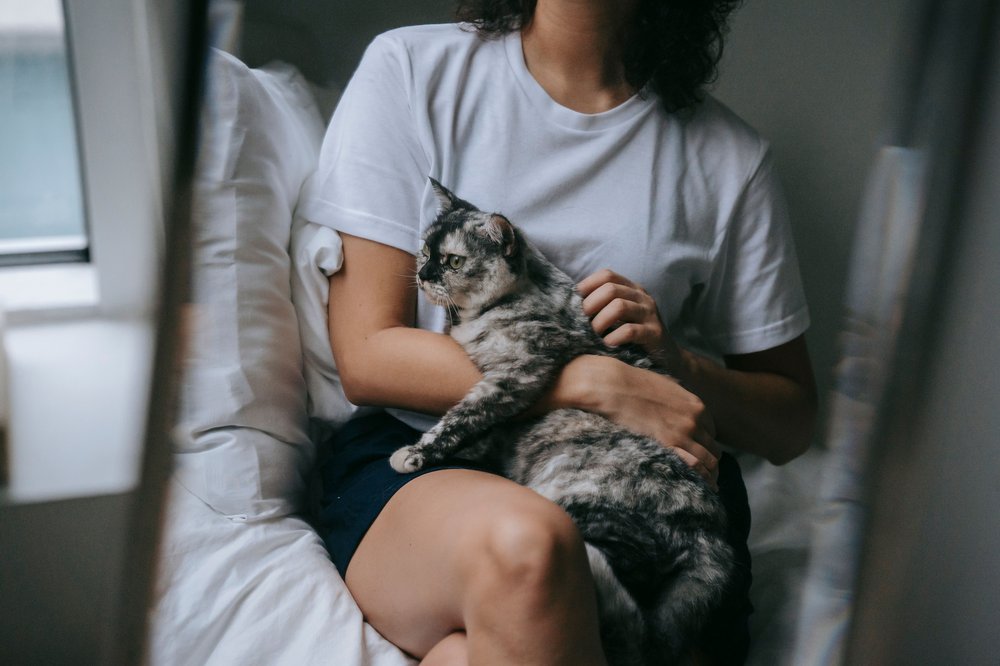
A cat purring on your lap isn't just pleasant — it's measurably good for the nervous system. We look at how spending time with a cat lowers stress for the owner.
Cats don't need walks or active interaction, but their presence in the home still measurably affects the owner's state. Physical contact, the steady sound of purring, and simply the act of caring for a living creature all work to lower stress levels.
What Research Shows
In several studies, cat owners report lower levels of anxiety and loneliness compared to people without pets. Petting a cat lowers blood pressure and heart rate within just a few minutes — other forms of calm physical contact have a similar effect.
Why Purring Has a Relaxing Effect
A cat's purring frequency — roughly 20–140 hertz — overlaps with ranges that some studies link to beneficial effects on the nervous system and even tissue repair. On top of that, the sound itself is steady, quiet, and predictable — the brain generally perceives such sounds as safe and calming.
How to Enhance the Effect of Spending Time With a Cat
- Set aside time specifically for calm contact — petting, unhurried play, rather than in passing.
- Create a comfortable space for the cat: it shows less anxiety and aggression, which makes interacting with it calmer for you too.
- Use evening time with your pet as part of your bedtime relaxation ritual.
For those who use evenings with a cat as part of a bedtime ritual, it's worth also looking at Silent Nights patches from LifeWave — they help you settle into calm rest while the cat purrs beside you. And for tips on caring for the pet itself so it stays calm too, read "How to Care for a Cat".