Swimming for Health: Its Benefits and How to Start With No Prep
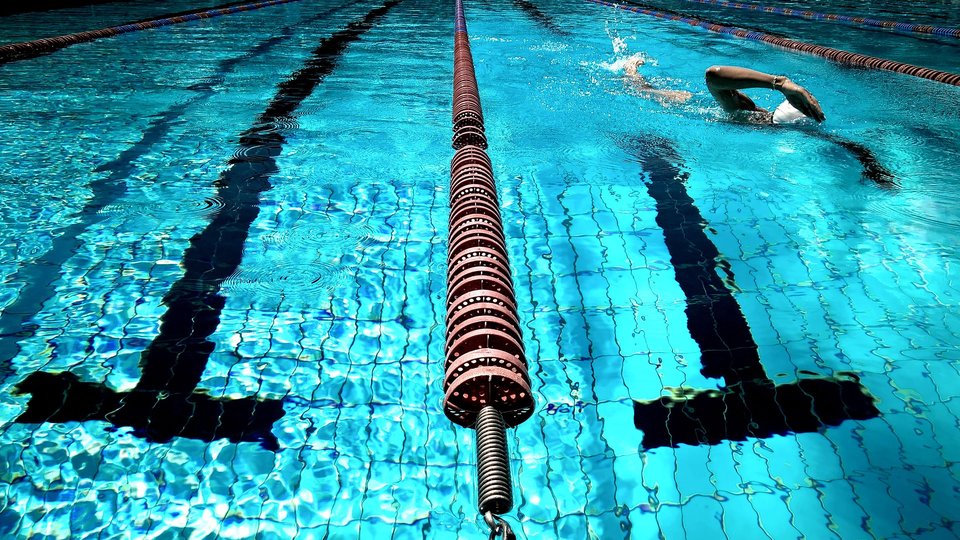
Swimming for health is a rare combination: a workout for almost every muscle with minimal impact on your joints. Here are the benefits of swimming for women and men and how to start if you haven't been in a pool for years.
Swimming for health is one of the few activities that works your heart and muscles with almost zero impact on your joints: water supports up to 90% of your body weight. That is why the benefits of swimming are especially noticeable for people who find running hard, and for those over 40–50 with sensitive knees or backs.
Swimming for health benefits: what does it give you?
Swimming trains your heart and almost all the large muscles at once while being gentle on your joints. CDC and NHS write about the benefits of water-based exercise.
- Trains the cardiovascular system as well as running or cycling — a real plus for heart health.
- Works practically all the large muscles — back, shoulders, legs, core.
- Improves shoulder mobility and helps you keep good posture.
- The gentle load is suitable for recovery after joint and back injuries under a specialist's supervision — as Mayo Clinic explains.
- Rhythmic breathing and the water help release tension after a workday — good for mental health too.
Benefits of swimming for women
For women, swimming is valuable because it gives a full workout without impact on the joints and spine. It fits easily into any stage of life and fitness level.
- Strengthens the back and core muscles that support posture.
- Provides aerobic exercise that is easy to adjust to how you feel.
- Complements strength training and walking well after 50.
If you have questions about exercise during pregnancy or after giving birth, discuss them with your doctor.
Benefits of swimming for men
For men, swimming helps build endurance and upper-body strength without risk to the knees. It's a good alternative to running for those whose joints are already making themselves known.
- Front crawl works the back, shoulders and arms.
- Easy swimming works well as active recovery between strength sessions.
- The pool removes the impact that running and jumping sports put on your body.
How do you start swimming if you haven't been in a pool for a long time?
Start with short stretches at an easy pace and rest at the wall. There is no need to swim fast and long right away.
- For the first 2–3 sessions, spend 15–20 minutes in the pool with no goal of covering a lot of distance.
- Alternate 25–50 meters (about 27–55 yards) of easy swimming with breaks at the wall.
- Add 5 minutes each week, guided by how you feel.
- After your swim, do a few minutes of light stretching for your shoulders and back at the side of the pool.
Swimming as recovery after other workouts
Easy swimming is a good form of active rest between strength sessions or runs. The water relieves muscle tension and supports circulation without impact.
More on balancing training and rest in “Rest days from training”, and on gentle exercise for your joints in “Joint mobility exercises after 55”.
Which swimming stroke should a beginner choose?
To begin with, choose the stroke in which you breathe comfortably. Over time it helps to alternate strokes so the load is spread across different muscles.
- Breaststroke — easy breathing and a calm pace, convenient for your first sessions.
- Backstroke — your face stays above the water, and it opens up the shoulders and chest.
- Front crawl — the most effective for endurance, but you need to master the breathing.
Alternating strokes in one session makes the workout more varied and helps you avoid overloading the same muscles.
How can you support yourself after the pool?
After the pool, many people feel a pleasant tiredness in their muscles — for comfort in motion, some choose IceWave patches, which the company positions as fast-acting and drug-free. For endurance with regular pool workouts there is LifeWave's X49 patch — according to the company, it supports recovery after exercise. More in “IceWave patches”.
Read also: Surf workouts for beginners: body prep, land exercises and recovery.