Swimming for Health: Its Benefits and How to Start With No Prep
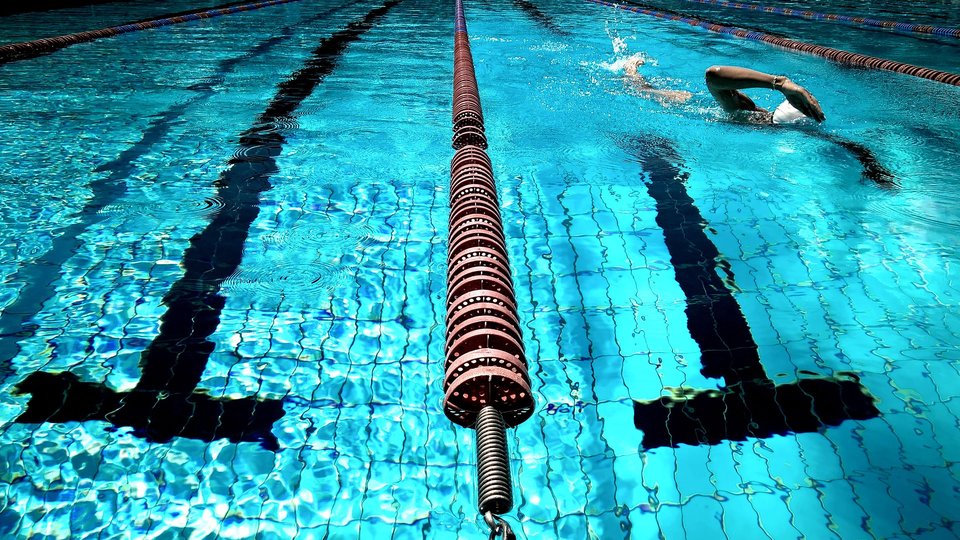
Swimming works nearly every muscle while barely stressing the joints — a rare combination for a workout. Here's why it's good for you after 35–40 and how to start if you haven't been in a pool for years.
Swimming is one of the few activities where cardiovascular and muscular work comes with almost zero impact on the joints: water supports up to 90% of your body weight. That makes the pool a great option for people who struggle with running or have knee, back, or joint pain after 40–50.
What Swimming Does for Your Body and Heart
- Trains the cardiovascular system just as well as running or cycling.
- Engages nearly all the major muscles — back, shoulders, legs, core.
- Improves shoulder joint mobility and posture.
- Provides gentle loading suitable for recovery after joint or back injuries, under a specialist's guidance.
How to Start If You Haven't Swum in a While
You don't need to swim fast or far right away. Start by alternating 25–50 meters at a relaxed pace with rests at the wall, gradually increasing distance. If freestyle feels hard because of breathing technique, start with breaststroke — it's easier for beginners and puts less strain on the shoulders.
- The first 2–3 sessions — 15–20 minutes in the pool, with no goal of covering distance.
- Add 5 minutes each week, based on how you feel.
- After swimming — a few minutes of light stretching for the shoulders and back at the wall.
Swimming as a Way to Recover From Other Workouts
Easy swimming at a relaxed pace is a good active-recovery option between strength sessions or runs: water eases muscle tension and improves blood flow without extra impact. Read more about balancing load and rest in "Rest Days From Training".
After the pool, many people feel a pleasant muscle fatigue — IceWave patches help with comfort in movement after exertion. And for recovery and endurance with regular swim training, LifeWave's X49 patch is a good fit.