Thalassotherapy and thermal spas: how to choose a seaside wellness break
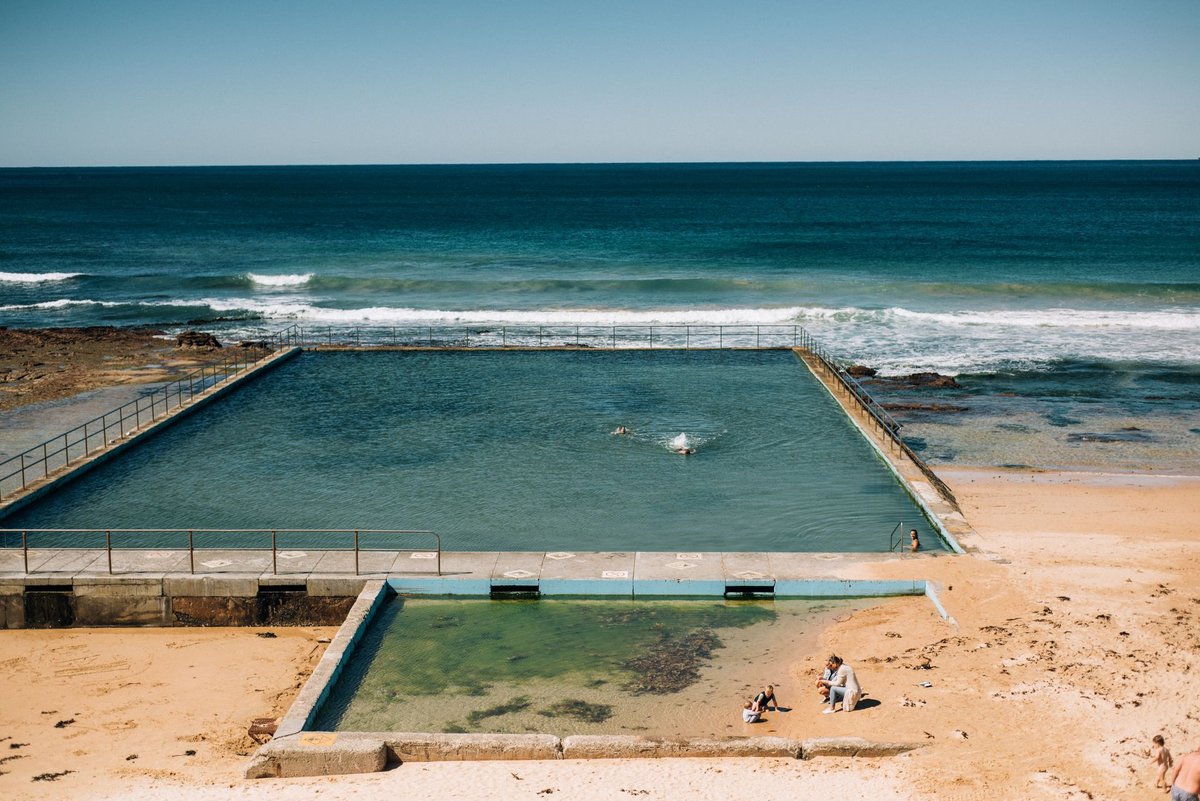
Thalassotherapy is a break built around seawater, seaweed and sea air. Here is a plain-language look at what it is, what to expect from a program and how to choose a resort.
Thalassotherapy is a coastal break where the main “tools” are the sea, seawater, seaweed, mud and the climate itself. Thalasso centers are especially popular in France and Tunisia, and thermal resorts with mineral springs can be found in many countries, including in Central Asia.
Thalassotherapy definition: what is it in simple words?
The word comes from the Greek “thalassa,” meaning sea. As Medical News Today explains, it’s the use of seawater and marine substances for relaxation and wellbeing, and the tradition dates back at least to the 19th century.
- Pools and baths with heated seawater, hydromassage.
- Wraps with seaweed and sea mud.
- Water aerobics, walks by the sea, breathing sea air.
What do seawater and thermal spa sessions offer?
A 2024 review in the International Journal of Biometeorology describes thalassotherapy as controlled exposure to the marine environment to support health and notes that new research is needed to assess long-term benefits. Medical News Today also stresses that scientific data is still limited. Realistically, you can expect relaxation, a change of scenery, movement in water and well-cared-for skin.
Thalassotherapy spa in Tunisia, France or closer to home: how to choose?
- Look at the program as a whole: does it include swimming, walks, time for sleep and quiet, not just sessions?
- Check what water is used — seawater, thermal water or ordinary water with additives.
- Choose a climate and season you find comfortable — more about sun by the sea in our article Protecting your skin from the sun.
The best break is one after which you genuinely feel lighter; we explored why that doesn’t always happen in our article A vacation without burnout. The Alavida Trio set for daily skincare helps extend that pampered feeling at home, and for energy and recovery many people choose the X39 patch, which, according to the company, supports the natural production of the GHK-Cu peptide.