Warmth in relationships after 40: keeping closeness in a busy life
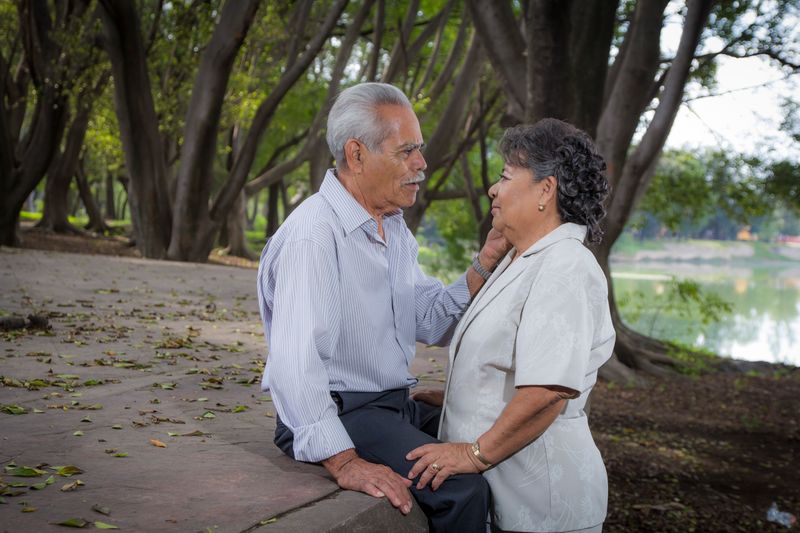
After 40, relationships often take a back seat to work, kids and daily chores. Here's what helps couples keep emotional closeness over the years.
After 40, daily life, career and parenting gradually crowd out time for each other for many couples — not because the feelings are gone, but because there's less resource left for them.
What changes in relationships over the years
The intensity of the early years naturally gives way to calmer, deeper attachment. This isn't a sign of fading feelings, but a normal dynamic of long relationships.
How to find time for each other
- Plan time together in advance rather than 'whenever it works out' — otherwise it almost always loses to urgent tasks.
- Small daily rituals — breakfast together, a short walk — sometimes matter more than rare big events.
- Talk about more than just chores and kids — talk about yourselves too.
How wellbeing affects relationships
Chronic fatigue and low energy reduce patience and the desire to connect. Taking care of your own sleep, movement and recovery often directly helps the relationship as well.
For energy after 45 in men, see "Male energy after 45", and for wellbeing during menopause, "Menopause and wellbeing".