Sleep divorce: when sleeping apart helps a couple get better rest
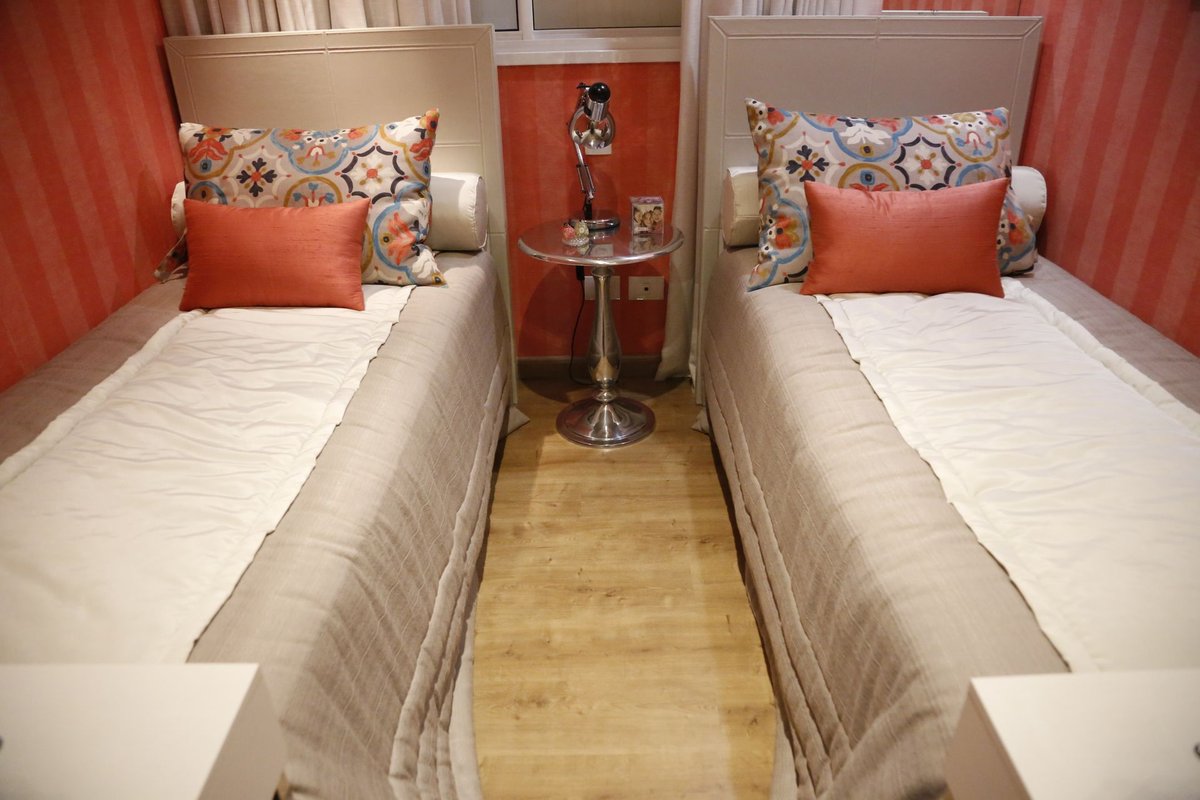
A sleep divorce — sleeping apart from your partner — isn’t necessarily a sign of relationship trouble. Here is why more and more couples choose separate sleep, how to suggest it kindly and how to stay close.
A sleep divorce — an idea that not long ago seemed like a warning sign — now sounds more and more ordinary. According to a survey by the AASM, the US professional body for sleep specialists, nearly a third of adults (31%) at least occasionally move to another room or another bed to sleep better alongside their partner.
Sleep divorce meaning: is sleeping apart normal in a relationship?
Yes, for many couples it’s a practical household decision, not a sign that feelings have cooled. AASM experts describe it more as mutual respect for each other’s sleep.
- The most common reasons are snoring, different schedules, restless sleep and different preferences for temperature and bedding — reasons listed by the Sleep Foundation.
- According to the same survey, people aged 35–44 do this most often (39%), and those over 65 least often (18%) according to AASM.
I want to sleep apart from my husband: how do I bring it up kindly?
Talk about sleep, not complaints about the person. “I want to sleep better so we have more energy for each other” sounds very different from “you keep me awake.”
- Choose a calm moment during the day, not a conversation at two in the morning.
- Suggest trying it for a while, say two or three weeks, and then discuss together how it feels.
- Start with gentle steps: the “Scandinavian method” — one bed and two separate duvets — earplugs, a sleep mask.
Sleep divorce pros and cons: how do you stay close in separate rooms?
Keep a shared bedtime ritual: half an hour of talking, tea, a hug — and only then “good night.” Weekend mornings can be spent together, and we write more about warmth in a couple in our article Warmth in relationships after 40.
Good sleep starts with simple things — a routine, quiet and a cool bedroom; see our article How much sleep do you need. To wind down in the evening, many people use the Silent Nights patch — according to the company, it supports relaxation and sleep without melatonin — and Y-Age Aeon, which is designed to support calm and relaxation. The main thing is that the decision about sleep is shared and that you both feel better.