Adapting to a Hot Climate: How to Adjust Faster While Traveling
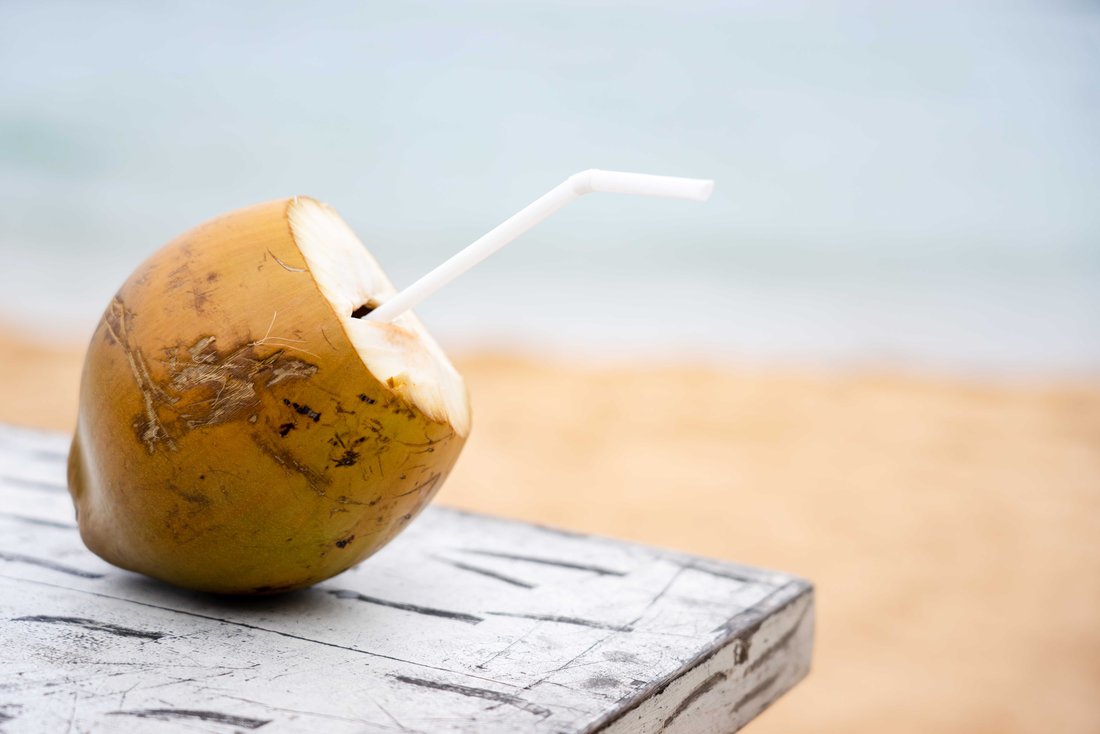
Adapting to a hot climate takes time: when you switch abruptly from cool weather to heat, the first days often bring sluggishness, headaches and poor sleep. Here's how acclimatization works in hot countries and what lowers the risk of overheating.
Adapting to a hot climate is a gradual adjustment of the body that usually takes 7–14 days. During that time your body increases blood plasma volume, starts sweating more efficiently and loses less salt in sweat. You can't speed the process up, but you can make it gentler: ease off in the first days, drink properly and plan your day around the heat.
How does the body adapt to hot climates?
The first 2–3 days are the hardest: sluggishness, a mild headache and poor sleep are common companions. By the end of the first week most people feel noticeably better, and full heat acclimatization takes about two weeks.
- Days 1–3 — the body is just learning to cool itself; it's best to scale back activity.
- Days 4–7 — sweating becomes more efficient and you start to feel more even.
- Days 8–14 — the body has largely adjusted, but peak midday heat still calls for caution.
More on how heat affects health from the CDC and the World Health Organization.
How to adapt to hot weather in the first days?
Cut your activity level by about a third and move sightseeing to the morning and evening. Sudden intense exertion on day one is a common reason tourists feel unwell.
If you plan to work out, read our article on exercising in the heat. And if you're moving for a longer stay, ideas from our article on adjusting after a move will come in handy.
How should you drink water in the heat?
Regularly, in small amounts, without waiting until you're very thirsty. When you sweat heavily, it's not just water that matters but salts too.
- Keep water on hand at all times and sip throughout the day.
- When sweating heavily, add electrolytes — losing water without replacing salts can make you feel worse.
- Limit alcohol in the first days — it increases dehydration.
- Watch your urine color: pale yellow is a good sign.
General water guidelines are in our article on how much water to drink a day.
Don't forget food: light meals and water-rich fruits and vegetables help the body handle heat more easily. A heavy lunch at the hottest hour, on the other hand, makes sluggishness worse.
Adjusting to a hot, humid climate: which clothes and daily routine help?
Light, pale clothing, a hat and resting in the shade during the hottest hours. These simple rules lower the risk of overheating more than anything else.
- Light-colored clothing in natural fabrics, a hat and sunglasses.
- Rest in the shade during peak heat — usually from noon to 4 p.m.
- A cool shower 2–3 times a day.
- Sunscreen — more in our article on protecting your skin from the sun.
How do you sleep in the heat?
The key is a cool bedroom and a calm evening. Lack of sleep slows adaptation and makes daytime sluggishness worse.
Light bedding, a warm shower before bed and moderate cooling of the room help. We covered what temperature is comfortable and how not to dry out the air in our article on sleeping with air conditioning. If your schedule is off because of a time zone change, see our article on jet lag.
Try to go to bed and get up at the same time from the first day of your trip. A nap in the heat is fine, but keep it short — 20–30 minutes — so it doesn't disrupt your night.
How do you recognize overheating?
Dizziness, weakness, nausea and intense thirst are signals to stop, get into the shade and drink water. The difference between heat exhaustion and heatstroke is well described by Mayo Clinic.
It's easier to keep up good hydration if it became a habit back home: many people prepare drinking water with the X2O system, which filters water and infuses it with light — according to the company, this supports hydration. For a steady daily rhythm on the road, some people take the Cellergize Duo drink set: Morning to recharge in the morning, Evening to unwind at night. These are dietary supplements, so if you're pregnant, breastfeeding, taking medication or have a health condition, check with your doctor first. But the basis of comfortable adaptation is a sensible pace in the first days and constant attention to water.