Balance and fall prevention: simple exercises after 60
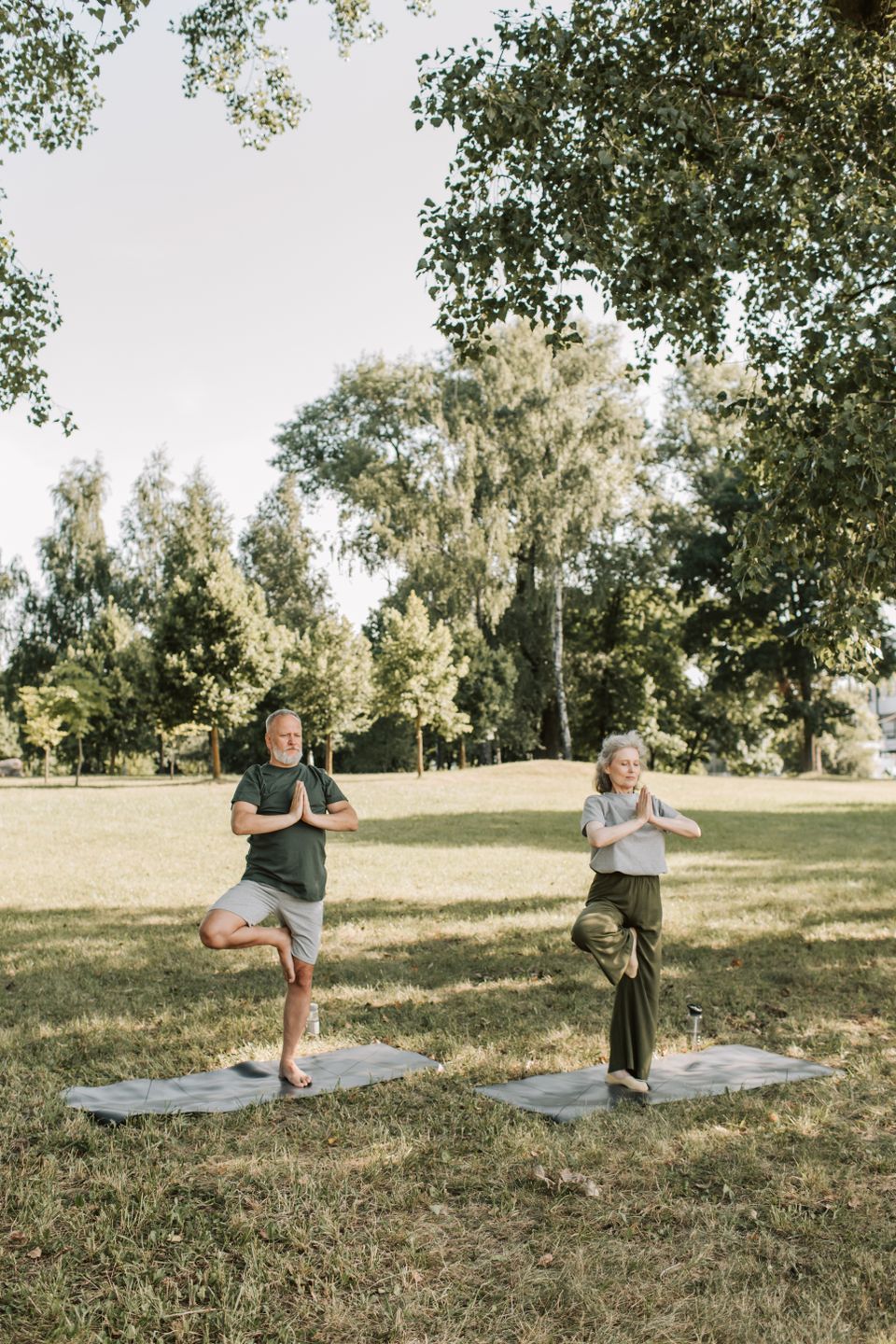
Falls are one of the main causes of injury in later life, but your sense of balance can be trained just like your muscles. Here are a few safe exercises for every day.
With age, our sense of balance gradually gets worse — this is linked to changes in the muscles, joints and the inner ear's balance system. The good news: balance, like muscle strength, can be trained at any age.
Which simple exercises improve balance?
- Standing next to a chair and holding its back: raise one knee at a time, holding for 5–10 seconds.
- Heel-to-toe walking along a straight line, with one hand on the wall.
- Standing on one leg next to a support — start with a few seconds and gradually increase the time.
- Slow turns of the head and upper body while standing, with no sudden movements.
What else reduces the risk of falls at home?
Stable flat shoes, good lighting in hallways, no rugs that are easy to trip over and grab rails in the bathroom — simple changes that noticeably reduce the risk. Regular walking also helps maintain overall stability and leg strength.
Balance exercises pair well with the gentle routine from "Joint mobility exercises after 55" and with looking after your bone health after 50. For energy on daily walks and during exercise, many people use X39.