Bone health after 50: prevention and everyday habits
After 50, bone density naturally declines. Here are the everyday habits that help keep your bones strong and when it is worth having them checked by a doctor.
Bone is living tissue that is constantly being renewed. After 50 this renewal slows down and bones naturally become less dense — especially in women after the menopause. This is not a reason to panic, but it is a reason to think about prevention early.
What supports bone density?
- Calcium-rich foods — dairy products, leafy greens, almonds.
- Vitamin D — fish, eggs, time in the sun and, if needed, supplements as recommended by a doctor.
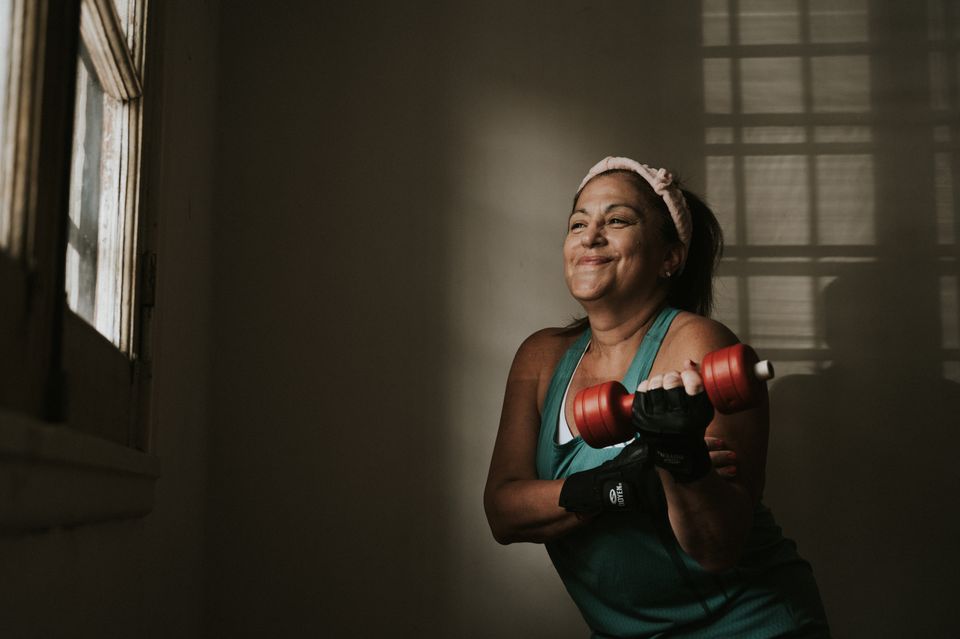
- Strength and weight-bearing exercise — it encourages bones to become stronger; more in "Strength training after 40".
- Not smoking and drinking alcohol in moderation — both speed up bone loss.
How do you know if your bones are in good shape?
The main way is a bone density scan, which measures the density of bone tissue. A doctor orders it, usually after the age of 50–65, or earlier if there are risk factors. It is impossible to judge the state of your bones "by eye".
Many people support their activity and tone with Y-Age Carnosine, a LifeWave support product for muscles, or with X39 for general energy during workouts.