Blue light and sleep: do screens really keep you awake
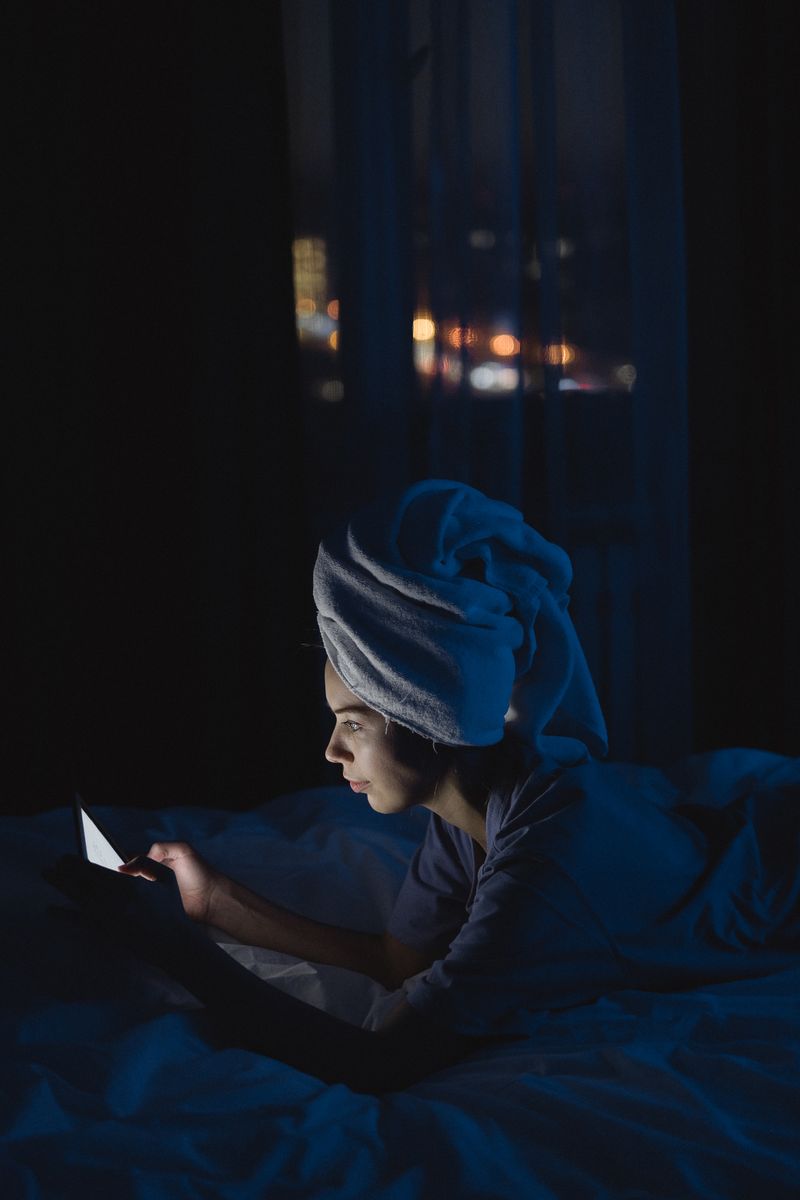
Evening scrolling often gets blamed for bad sleep. Here is what's backed by research and what's an oversimplification.
Blaming your phone for bad sleep has become common, and it's partly justified — but it isn't just about the screen's blue light itself.
What happens physiologically
Blue light suppresses melatonin production — the hormone that signals to the body that sleep is approaching — more actively than the warm light of lamps. This can push back the moment you start to feel sleepy.
It's not only about the light
The content itself that we look at before bed — work email, alarming news, emotional videos — stimulates the nervous system on its own, regardless of screen brightness.
What actually helps
- Lower screen brightness and turn on night mode in the evening.
- Put your phone away 30-60 minutes before bed.
- Replace scrolling with a less stimulating activity — reading, conversation, gentle stretching.
For more on evening rituals, see "Evening rituals for sleep". Many people use the Silent Nights patch for comfortable falling asleep.