Eye Strain From Screens: The 20-20-20 Rule and Other Simple Measures
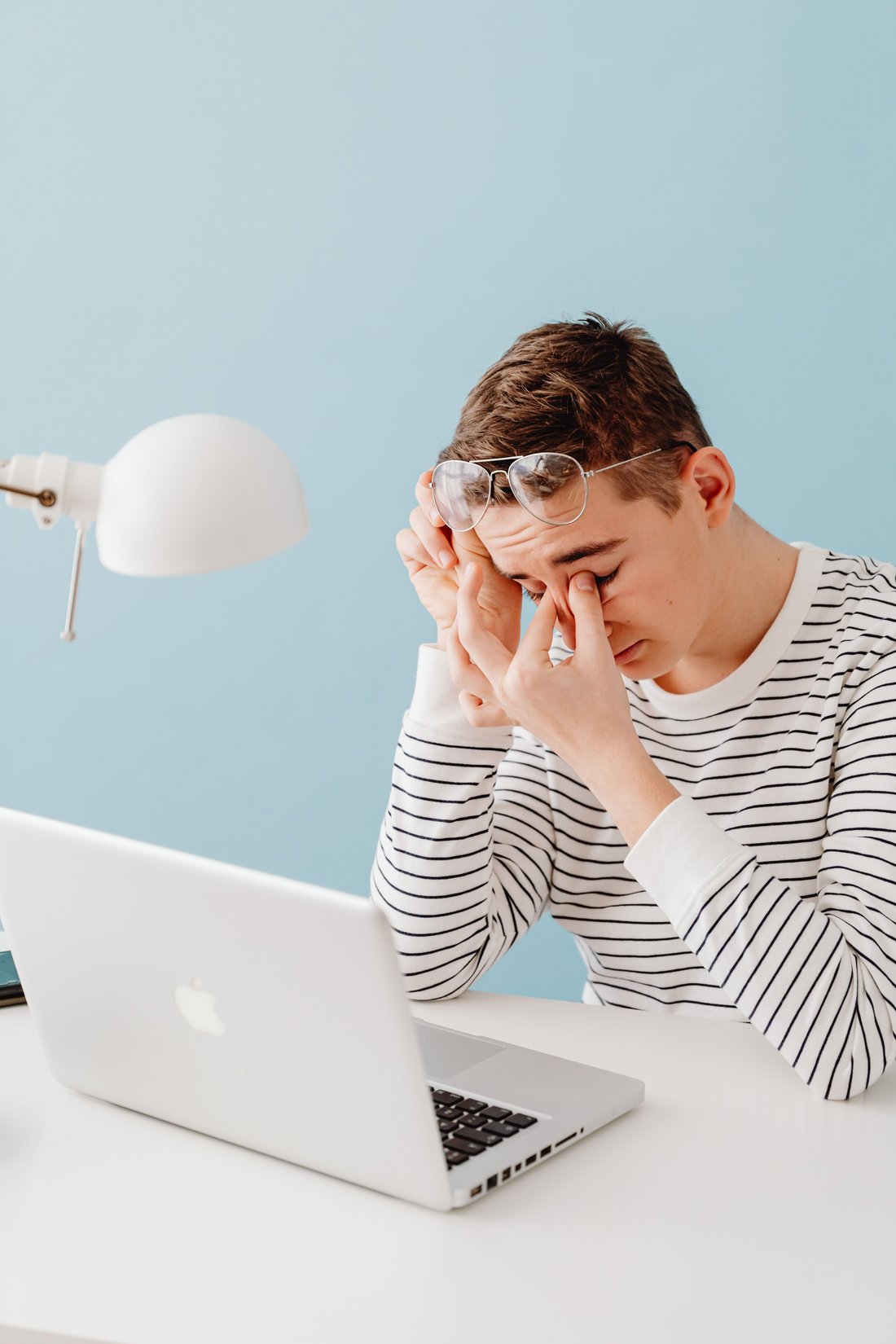
Dryness, burning, blurred vision by the end of the workday — a familiar picture for anyone who spends 8 or more hours in front of a screen. We break down simple habits that genuinely reduce the strain on your eyes.
Digital eye strain doesn't happen because screens are somehow especially harmful, but because of how we use them: staring at close range for long periods, blinking less often, and often sitting in a poorly lit room. The good news is that most relief measures require nothing more than a habit.
The 20-20-20 Rule
Every 20 minutes, take a 20-second break and look at an object about 6 meters away. This simple shift in focus relaxes the muscles that stay constantly tensed during close-up work and reduces the buildup of fatigue over the day.
What Else Helps
- Blink consciously more often — especially while reading or watching video, when blinking naturally slows down.
- Adjust screen brightness to match the room's lighting — a screen that's too bright or too dim strains the eyes equally.
- Keep the screen at arm's length and slightly below eye level.
- Use moisturizing eye drops for noticeable dryness, especially in a room with air conditioning or heating.
- Get your eyes checked by an ophthalmologist at least every 1–2 years — sometimes eye strain is linked to an incorrect glasses prescription.
Screens in the Evening and Sleep
Besides fatigue, using screens in the evening can interfere with falling asleep because of blue light suppressing melatonin production. Read more about how lighting affects sleep in the article on sleep and recovery.
If eye fatigue by evening comes with trouble falling asleep, a calm, screen-free evening ritual an hour before bed can help, along with support for sleep quality — for example, Silent Nights. But the number one basic measure remains simple: take regular breaks throughout the day.