Eyesight and age: what changes are normal and when to see a doctor
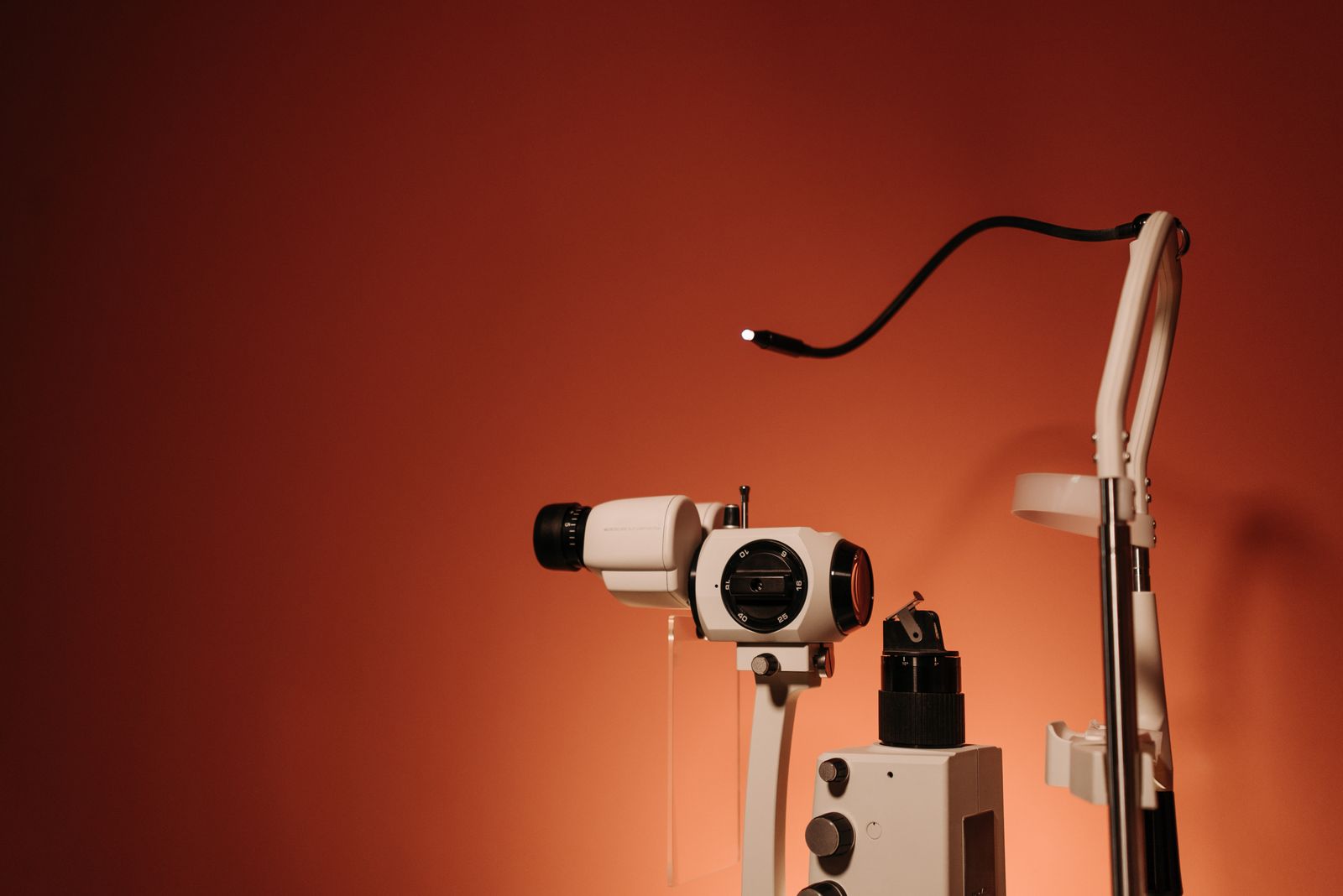
After 40, many people need reading glasses for the first time, and by 60 the risk of other vision changes grows. Here is what's normal and what needs attention.
Presbyopia — needing to hold text further away to read it — is familiar to almost everyone after age 40-45. It's a natural process, not a disease, but some changes do need attention.
What's normal after 40
A reduced ability to focus on nearby objects is the most common age-related vision change. It's easily corrected with reading glasses or progressive lenses.
What to watch for after 60
- Gradually clouding vision — a reason to have the lens checked.
- Trouble with night vision or glare from headlights.
- Straight lines appearing distorted — an important symptom requiring an urgent visit to an ophthalmologist.
Habits that support your vision
Regular eye exams, protecting your eyes from bright sun, and controlling blood pressure and blood sugar all affect eye health as much as eye drops themselves.
For memory and age, see "Memory and age". Many people support age-related changes with X39 or patches from the Y-Age Aeon line.