Hearing and age: how to notice hearing loss in time
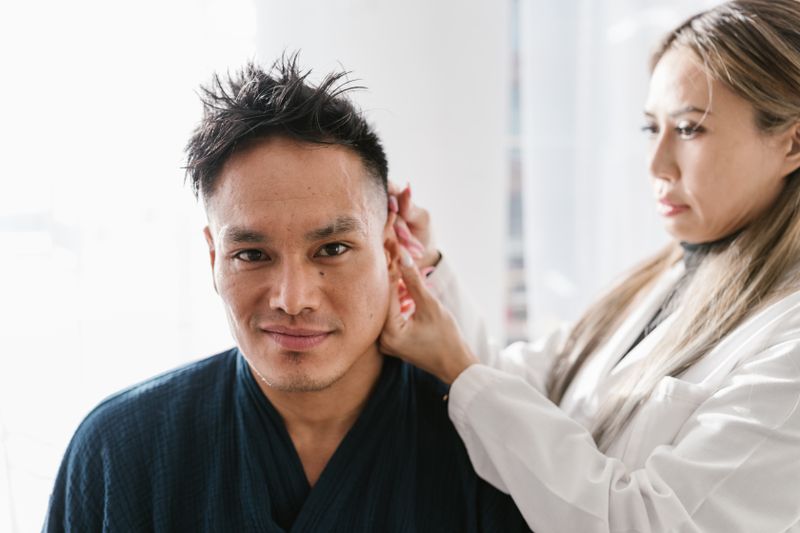
Age-related hearing loss develops so gradually that loved ones often notice it before the person does. Here are the early signs and how to protect your hearing.
Age-related hearing loss — presbycusis — develops so gradually that a person adjusts to the changes without noticing them. Often family members notice it first.
Early signs worth paying attention to
- Frequently asking people to repeat themselves.
- Feeling like everyone around you is 'mumbling'.
- Trouble following conversation in noisy places — cafés, public transport.
- Turning the TV up unusually loud.
What speeds up age-related hearing loss
Long-term exposure to loud noise — at work, through headphones, at concerts — is one of the main factors that speeds up age-related hearing changes, on top of the aging process itself.
How to take care of your hearing
Regular hearing checks after age 50-55, using earplugs in noisy places, and managing your overall vascular health all help preserve good hearing longer.
For eyesight and age, see "Eyesight and age", and for memory, "Memory and age". Many people support age-related changes with X39.