Caring for Aging Parents: How to Help Without Burning Out Yourself
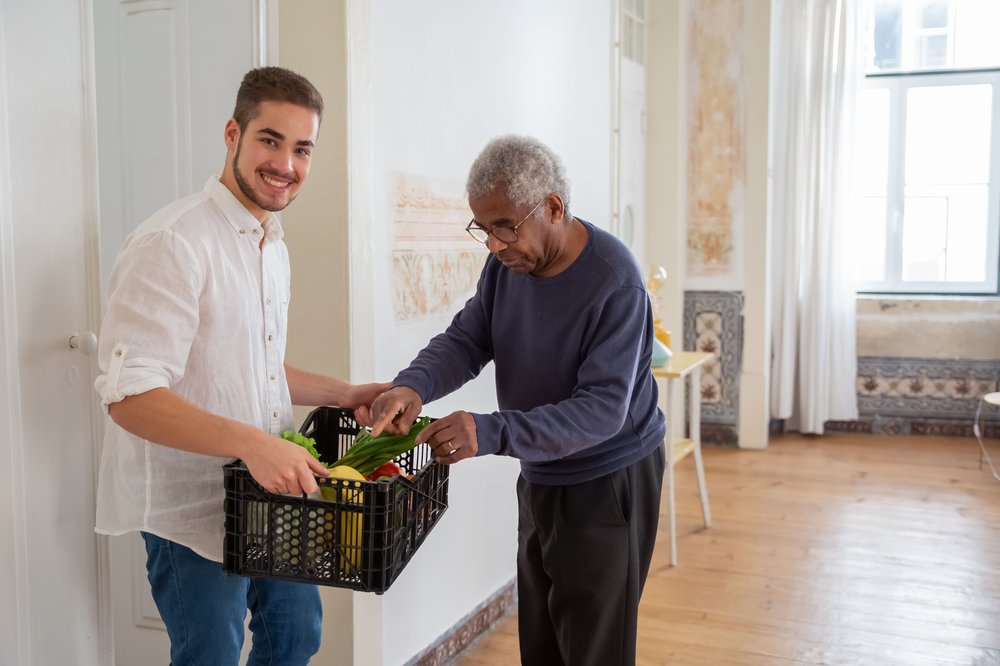
Caring for aging parents often becomes a "second shift" after your main job. We look at the signs that burnout is approaching and how to share the load so there's enough energy for everyone, including yourself.
Caring for aging parents rarely starts out as a full "second job" — it usually builds up gradually: first a weekly call, then doctor visits, then daily oversight of medication and daily life. By the time the workload becomes noticeable, many people no longer have the energy to reassess and redistribute it.
Signs You're Close to Burnout
- Constant fatigue that doesn't go away after sleep or a weekend, irritability more often than usual.
- Guilt over any attempt to rest, while your own health and sleep have taken a back seat.
These signs largely overlap with the symptoms of general burnout, which we wrote about in detail in "Burnout and Stress: How to Tell Them Apart" — caring for loved ones is just one of its common causes.
How to Share the Load
Caring for someone alone is the fastest path to exhaustion, even if it feels "easier this way" and like "no one else will do it better."
- Make a list of specific tasks and divide them among relatives in writing; find out what outside help is available: social workers, medication delivery services, home care aides.
- Agree with your family on a regular rotation rather than one-off help "when things get bad," and don't take everything on yourself "because you're the closest."
How to Protect Your Own Resources
- Set aside at least 20–30 minutes a day just for yourself, without guilt, and keep an eye on your own sleep.
- Talk about your feelings — with a partner, friends, or in caregiver support groups: fatigue and irritation in this role are a normal reaction.
During especially demanding stretches, many caregivers use Silent Nights patches for a calmer evening and X39 patches from LifeWave for daytime energy support, when you genuinely need more strength than usual. But regular rest and shared responsibility always come first.