Bone health after 50: prevention and everyday habits
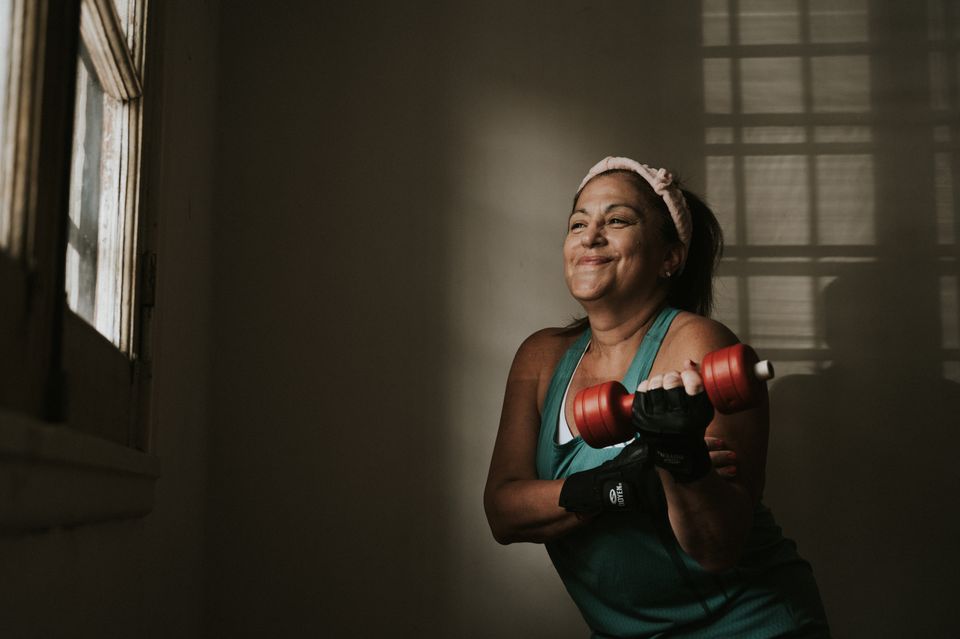
Bone health after 50 needs more attention because bone density naturally declines. Here are the habits that help keep bones strong and when to have them checked by a doctor.
Bone health after 50 depends on everyday habits as much as on genetics. Bone is living tissue that constantly renews itself, but with age this process slows down and bones become less dense, especially in women after menopause. This is not a reason to panic, but a reason to think about prevention in advance.
Why does bone mass begin to decrease after 50?
Because bone renewal slows over the years: old tissue breaks down faster than new tissue is built. In women after menopause this process is more pronounced due to hormonal changes.
- Less movement and load — fewer "signals" for bones to get stronger.
- Not enough calcium and vitamin D in the diet.
- Smoking and excess alcohol speed up bone loss.
The good news: many of these factors are within our control. The NHS covers prevention in detail.
How to improve bone health after 50: what supports your bones?
Four foundations: calcium in your diet, vitamin D, weight-bearing exercise and dropping harmful habits. Together they work better than any one of them alone.
- Calcium-rich foods — dairy, leafy greens, almonds.
- Vitamin D — fish, eggs, time in the sun, and supplements if your doctor recommends them. More in “Vitamin D and energy”.
- Strength and weight-bearing exercise — it stimulates bones to get stronger (more in “Strength training after 40”).
- Not smoking and drinking alcohol in moderation.
What should you drink for strong bones?
There is no special "bone drink" — your diet as a whole is what counts. But some things in your glass really do matter.
- Milk, kefir, yogurt — sources of calcium.
- Plant-based drinks fortified with calcium and vitamin D — if you do not drink milk.
- Alcohol — as rarely as possible and in small amounts.
- Calcium and vitamin D tablets — only on your doctor's advice, not "just in case".
Specialists at Cleveland Clinic also explain which foods and habits are good for bones.
How to increase bone density after 50: which exercises help?
Any where your bones work against gravity: walking, stairs, squats, exercises with dumbbells or resistance bands. Swimming and cycling are good for the heart and joints, but bones specifically need weight-bearing load.
- A brisk daily walk.
- Taking the stairs instead of the elevator.
- Strength exercises a few times a week — gradually, with good technique.
- Balance exercises — they help you move more confidently; more in “Balance and fall prevention”.
How do you know if your bones are OK?
The main way is a bone density scan (densitometry). A doctor orders it, usually after 50–65 or earlier if there are risk factors. You cannot assess the state of your bones "by eye".
How can you make your home safer to move around in?
Remove things that are easy to trip over and add more light. Confidence in movement is an important part of looking after your bones.
- Secure or remove slippery rugs and cords on the floor.
- Put a night light on the way from the bed to the bathroom.
- Keep frequently used items at a comfortable height so you do not have to reach or stand on a chair.
- Wear stable shoes with non-slip soles.
- Keep your phone within reach if you live alone.
These simple changes help you move with more confidence and calm — and so stay active.
Bone health for women over 50 and men: staying active every day
Strong bones are not only about the future but also about confidence in movement today. Gentle joint exercises are described in “Joint mobility exercises after 55”, and muscles after 60 in “How to preserve muscle mass after 60”.
Many people keep their interest in movement going with Y-Age Carnosine — a patch that, according to the company, helps make physical activity part of your lifestyle — or with X39 for overall energy during workouts.