Camino de Santiago preparation: how to get ready to walk the Portuguese Way
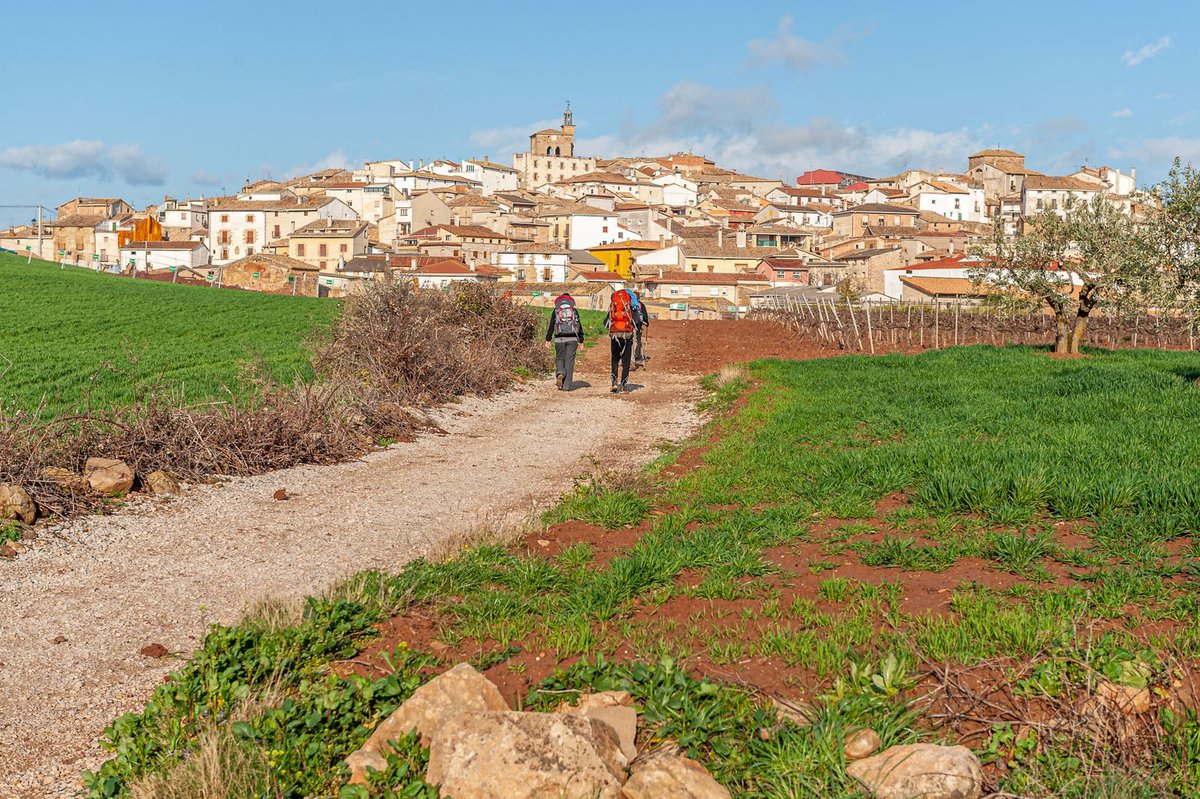
Camino de Santiago preparation starts with the dream that draws thousands of people every year: a week or two on foot, new friends and time to think. Here is which route to choose, how many days it takes from Porto, how to get your feet ready and how to recover between stages.
Camino de Santiago preparation begins with understanding the route: the Camino is a network of historic trails leading to the cathedral in Santiago de Compostela. For many people it's their first multi-day hike: every day on the road, every night a new bed. The good news is that you can get ready without a gym — just by walking a lot.
One of the most popular options is the Portuguese Way from Porto: it suits both beginners and people with limited vacation time.
Camino de Santiago, the Portuguese Way: what is this route?
It's a route from Portugal to Galicia along a central or coastal trail, through towns, vineyards and along the coast. The most popular starting points are Porto and Tui on the Spanish border. The coastal and central routes merge in Redondela and continue together from there (CaminoWays).
- The central route runs through towns and countryside.
- The coastal route follows the ocean, with views of the coastline.
Both routes are marked with yellow arrows, so it's hard to get lost even without hiking experience.
- The choice depends on what appeals to you more: history and small towns, or the sea.
Camino de Santiago from Porto: how many days does it take?
From Porto it's about 259 km (161 miles) and around 12 days of walking; from Tui it's about 115 km (71 miles), which fits into a week (CaminoWays). Plan at least one rest day.
- Start in Porto if you have about two weeks.
- Start in Tui if you have a week or want to try the format.
- Beginners do better with shorter stages and some time in reserve for rest.
How to prepare to walk the Camino de Santiago?
Start 10–12 weeks ahead and gradually build up distance and backpack weight. The main goal is for your feet and footwear to get used to long walks several days in a row.
- 3–4 walks a week, with long ones on weekends — up to 15–20 km (9–12 miles), as the training plan suggests CaminoWays; in the last month, do two long walks back to back with a backpack of the weight you'll carry.
- Add squats, step-ups and calf stretches — more in "How to prepare for mountain hiking and trekking".
- Break in your footwear in advance: new boots or sneakers at the start are a common cause of blisters.
- Walk on different surfaces — asphalt, dirt, cobblestones — just like on the route.
Why regular walking is such a valuable habit beyond the Camino is covered in "Benefits of walking".
How to avoid blisters on the Camino?
Blisters come from friction, moisture and heat. Dry feet, the right socks and attention to the first signs of rubbing solve most of the problem (Follow the Camino).
- Footwear half a size larger: your feet swell a little by evening.
- Seamless socks and a spare pair for the midday break.
- Feel a "hot spot"? Stop right away and cover it with a bandage.
- Take off your shoes at rest stops and let your feet dry.
How to recover between stages?
The evening after a stage is time for your feet: a shower, stretching your calves and thighs, food and an early night. In the morning, start at an easy pace and speed up gradually.
Listen to your body: if your feet or knees hurt more than usual, shorten the next stage or take a rest day. The Camino isn't a race, and it's better to arrive at your own pace than to rush and drop out.
What to pack for a multi-day walk?
For a multi-day walk, many people pack the X39+X49 set: according to the company, X39 supports energy and recovery, and X49 supports endurance. And in the evening after a stage, there's IceWave — according to the company, it's designed for comfort in motion; more in "IceWave patches: comfort in motion". According to the company, the patches don't penetrate the skin.